To see where we currently operate, please view our Service Area section.
Kate’s K9 Pet Care proudly provides dog walking, cat sitting, small animal pet care, pet taxi services, “Almost Overnight” pet care, and convenient pet supply delivery. To see where we currently operate, please visit our Service Area Page .
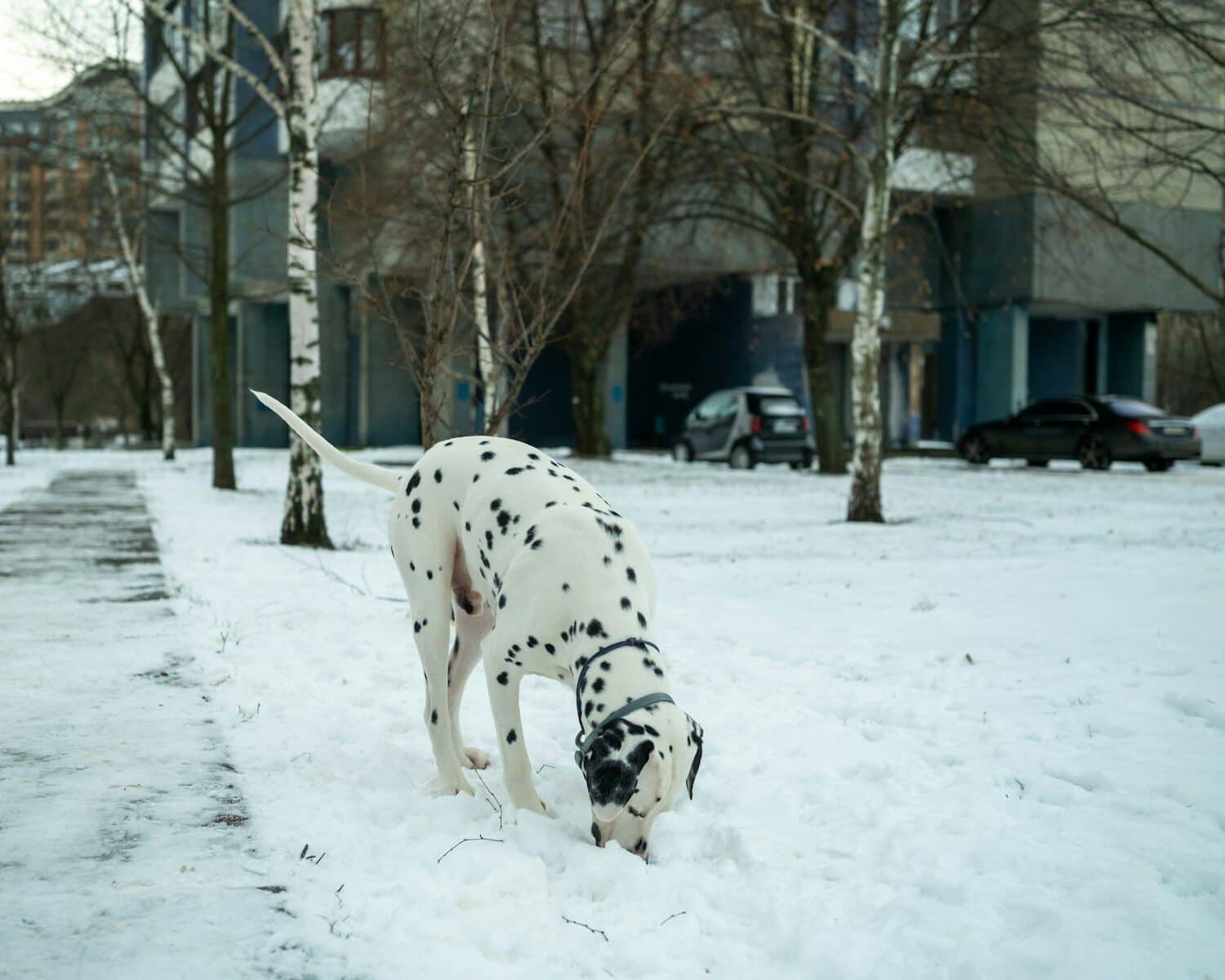
Winter is here, and with it comes the need to keep our furry friends safe and warm. Pet owners often wonder, “How cold is too cold for dogs?”
Understanding the cold thresholds for dogs is crucial to ensure their well-being during the colder months. This blog post will explore everything you need to know to keep your pup comfortable and safe in freezing temperatures.
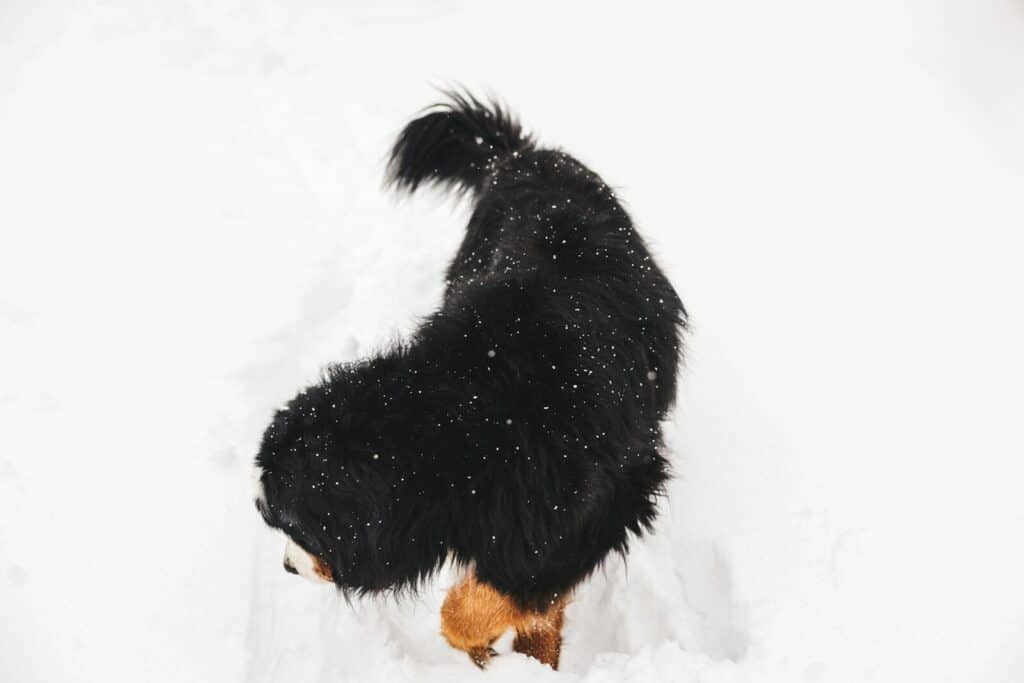
Photo by Kelsey Booth on Unsplash
How Cold is Too Cold for Dogs?
When the temperature drops, it’s important to gauge your dog’s comfort level outdoors. Different factors, such as breed, age, coat type, and health conditions, play a significant role in determining how your dog handles the cold.
Book services online in just a couple minutes.
While some breeds like Siberian Huskies and Alaskan Malamutes are naturally more resistant to frigid weather, others may need extra protection. Understanding these variations will help you assess what constitutes a safe temperature for your specific furry companion. In this section, we’ll delve into the guidelines to help you make informed decisions about your dog’s winter safety.
Factors Influencing a Dog’s Comfort in Cold Weather
Several factors determine how well a dog can tolerate cold weather. These include breed, size, coat type, and overall health status. For instance, small dogs like Chihuahuas will feel the cold much more than a larger breed like a Bernese Mountain Dog. Similarly, dogs with thick coats, like Siberian Huskies, are better suited for cold climates compared to short-haired breeds like Greyhounds.
The Impact of Wind Chill on Dogs
Wind chill can make the temperature feel much colder than it actually is. This affects dogs just as it does humans. Even if the thermometer reads a mild temperature, a strong wind can make it feel freezing. It’s essential to take wind chill into account when determining if it’s too cold for your dog to be outside.
The Role of Body Fat and Metabolism
A dog’s body fat and metabolism play significant roles in maintaining body heat. Dogs with higher body fat percentages have better insulation against the cold, while those with faster metabolisms generate heat more efficiently. However, even healthy dogs with ample body fat can feel uncomfortable in extreme cold, so never assume that body fat alone will keep your dog warm.
Signs Your Dog is Too Cold in Colder Temperatures
As a pet owner, it is vital to be aware of the signs indicating that your dog may be feeling too cold. Understanding these symptoms will allow you to take prompt action to ensure your dog’s safety and comfort. Dogs, much like humans, react to cold temperatures, and certain behaviors can signal distress or discomfort. In this section, we’ll outline common signs that can help you determine when your furry companion needs extra warmth or shelter from the cold.
Physical Indicators
Dogs exhibit several physical signs when they are too cold. Shivering is the most obvious indicator, but other signs include cold ears and paws, lethargy, and a lack of interest in playing or going for walks. If your dog’s body feels unusually cold to the touch, it’s time to bring them inside.
Behavioral Changes
Behavioral changes can also signal that your dog is feeling the cold. These changes might include whining, barking, or seeming anxious. Be on the lookout for your dog seeking warmer places, such as curling up in a ball or trying to find a warm spot in the house.
Shivering vs. Excitement
It’s essential to distinguish between shivering from cold and shivering from excitement. Shivering from cold often accompanies other symptoms like lethargy and seeking warmth, whereas shivering from excitement is usually short-lived and occurs during stimulating activities.
Preparing Your Dog for Cold Weather
As the temperature falls, it’s essential to equip your dog with the right protective gear to ensure they remain warm and comfortable during outdoor activities. Just like humans don coats and hats, dogs can benefit significantly from added layers and specialty accessories designed to shield them from harsh conditions. This section will guide you through various types of protective gear, including sweaters, boots, and jackets, to help keep your dog safe and snug in the coldest weather. Understanding when and what gear is necessary can make a huge difference in your dog’s overall well-being and enjoyment of winter activities.
Proper Winter Grooming Can Keep Dogs Warm
Grooming plays a critical role in keeping your dog warm during winter. Regular brushing helps maintain a healthy coat, which provides natural insulation. Avoid shaving your dog down to the skin during the colder months, as their fur helps trap heat.
Dog Booties and Coats for Certain Dog Breeds During A Dog Walk
Dog booties protect your dog’s paws from ice, snow, and salt, which can cause irritation and even frostbite. Similarly, dog coats are essential for breeds with thin coats or those that are more susceptible to the cold. Ensure that any winter gear fits properly and is comfortable for your dog to wear.
Creating a Warm Environment During Winter Weather
Ensure your home is a warm haven for your dog. Provide plush bedding in draft-free areas and consider using a heated dog bed or blanket. If your dog spends time in a garage or outdoor kennel, make sure it is well-insulated and equipped with a safe heating source.
Specific Considerations for Different Breeds and Ages
Understanding your dog’s unique needs during winter is crucial to ensuring their comfort and safety. Different breeds and ages have varying tolerances to cold weather, and adapting care to these specific needs can make a big difference.
While some dogs thrive in the cold due to their fur and natural physique, others may need extra protection and attention. Puppies and senior dogs, in particular, require heightened care as they are more vulnerable to extreme temperatures.
In this section, we’ll explore how to tailor your winter precautions to suit your dog’s breed and age, providing guidelines on keeping them healthy and happy during colder months.
Puppies and Senior Dogs
Puppies and senior dogs are particularly vulnerable to cold weather. Puppies have less body fat and underdeveloped immune systems, making them more susceptible to the cold.
Senior dogs often have health issues that can be exacerbated by low temperatures. Extra precautions, such as shorter outdoor times and additional layers of warmth, are necessary for these age groups.
Breeds Averse to Cold
Breeds with thin coats, such as Greyhounds and Chihuahuas, are naturally more averse to cold weather. These dogs may require additional layers, such as sweaters or jackets, even for short trips outside.
On the other hand, cold-tolerant breeds like the Siberian Husky or Bernese Mountain Dog are better equipped to handle colder weather but still require monitoring for signs of discomfort.
Health Status
Dogs with health conditions like arthritis, heart disease, or diabetes are more susceptible to cold. The cold can exacerbate these conditions, making it crucial to limit their exposure to the cold and ensure they are adequately protected when they do go outside.
Outdoor Safety Tips for Dogs in Winter
Venturing outside with your dog during winter months can be refreshing and enjoyable for both you and your furry friend. However, it also presents unique challenges and risks due to icy conditions, reduced daylight hours, and frigid temperatures.
This section delves into essential safety tips to ensure your dog’s outdoor adventures remain safe and fun without compromising their health. From maintaining solid footing on slippery paths to proper hydration and monitoring, we’ll provide you with the knowledge necessary to navigate these winter months confidently.
Ideal Temperatures for Walks
When taking your dog for a walk in cold weather, it’s essential to consider the temperature and wind chill. For most breeds, temperatures below 45°F (7°C) can start to become uncomfortable. Small and short-haired dogs may feel cold even at higher temperatures. Always shorten walks as temperatures drop and avoid extended periods outside.
Protecting Dog Paws
Snow, ice, and salt can be harmful to your dog’s paws. Dog booties offer excellent protection, but if your dog refuses to wear them, make sure to clean their paws thoroughly after each walk. Applying a paw balm before heading out can also help protect their pads from cracking and irritation.
Preventing Hypothermia and Frostbite
Hypothermia and frostbite are serious risks for dogs in extreme cold. Symptoms of hypothermia include shivering, lethargy, and pale or blue gums. Frostbite commonly affects the ears, paws, and tail, causing the skin to turn pale or blue. Immediate action, like moving your dog to a warm place and contacting a vet, is crucial if you suspect either condition.

Conclusion
Winter can be a challenging time for our furry friends, but with the right precautions, we can ensure they stay safe and warm. Understanding cold thresholds for dogs, recognizing signs of discomfort, and taking proactive steps to protect them can make all the difference. Remember, every dog is different, so pay attention to how your dog responds to the cold and adjust your care accordingly.
Need help with pet care? Reach out to us at Kate’s K9 Pet Care. We offer a range of services to ensure your pets are well taken care of, no matter the season. Share this post with fellow pet owners to spread awareness and keep all our canine companions safe this winter!
Resources for Winter Pet Care
To ensure your pets are protected this winter, consider exploring the following resources. These links provide detailed information on pet care tips, products, and emergency contacts.
- ASPCA Winter Pet Care Tips: Comprehensive advice on keeping pets safe during winter months, from clothing to safety precautions.
- American Veterinary Medical Association (AVMA) Winter Safety: Offers detailed guidelines on identifying hypothermia, frostbite, and other winter-related health concerns in pets.
- PetMD Winter Safety Guide: Information on winter health concerns specific to dogs, including typical signs of discomfort and necessary actions.
- Best Winter Dog Gear: Reviews of top-rated winter gear for dogs, from booties to coats, ensuring proper protection against harsh conditions.
- Red Cross Pet First Aid App: A helpful tool for pet owners to have on hand, providing first aid guidance and emergency pet care instructions.
These resources are invaluable for any pet owner looking to maintain the well-being of their canine companions throughout the chilly season. Whether you need advice or products, these links are a fantastic starting point.