To see where we currently operate, please view our Service Area section.
Kate’s K9 Pet Care proudly provides dog walking, cat sitting, small animal pet care, pet taxi services, “Almost Overnight” pet care, and convenient pet supply delivery. To see where we currently operate, please visit our Service Area Page .
Maintaining a beautiful lawn often means dealing with weeds. Whether it’s dandelions, crabgrass, clover, or other pesky weeds, homeowners regularly look for ways to kill weeds and keep their yard looking neat. However, many traditional lawn treatments contain toxic chemicals that may pose risks to pets, especially curious dogs and cats who spend time outdoors.
For pet owners, finding a pet safe weed killer is an important part of maintaining both a healthy yard and a safe environment for animals. While many traditional herbicides are effective at controlling weeds, they may include harmful ingredients that can irritate paws, cause illness if ingested, or expose pets to unnecessary risks.
The good news is that there are many safer alternatives available today. From pet friendly weed killer products to all-natural lawn care methods, homeowners can achieve successful weed control without exposing their furry friend to harmful chemicals.
In this guide, we’ll explore why some lawn chemicals can be dangerous for pets, how to choose a weed killer safe for animals, and which natural weed killer options can help keep your lawn healthy.
Book services online in just a couple minutes.

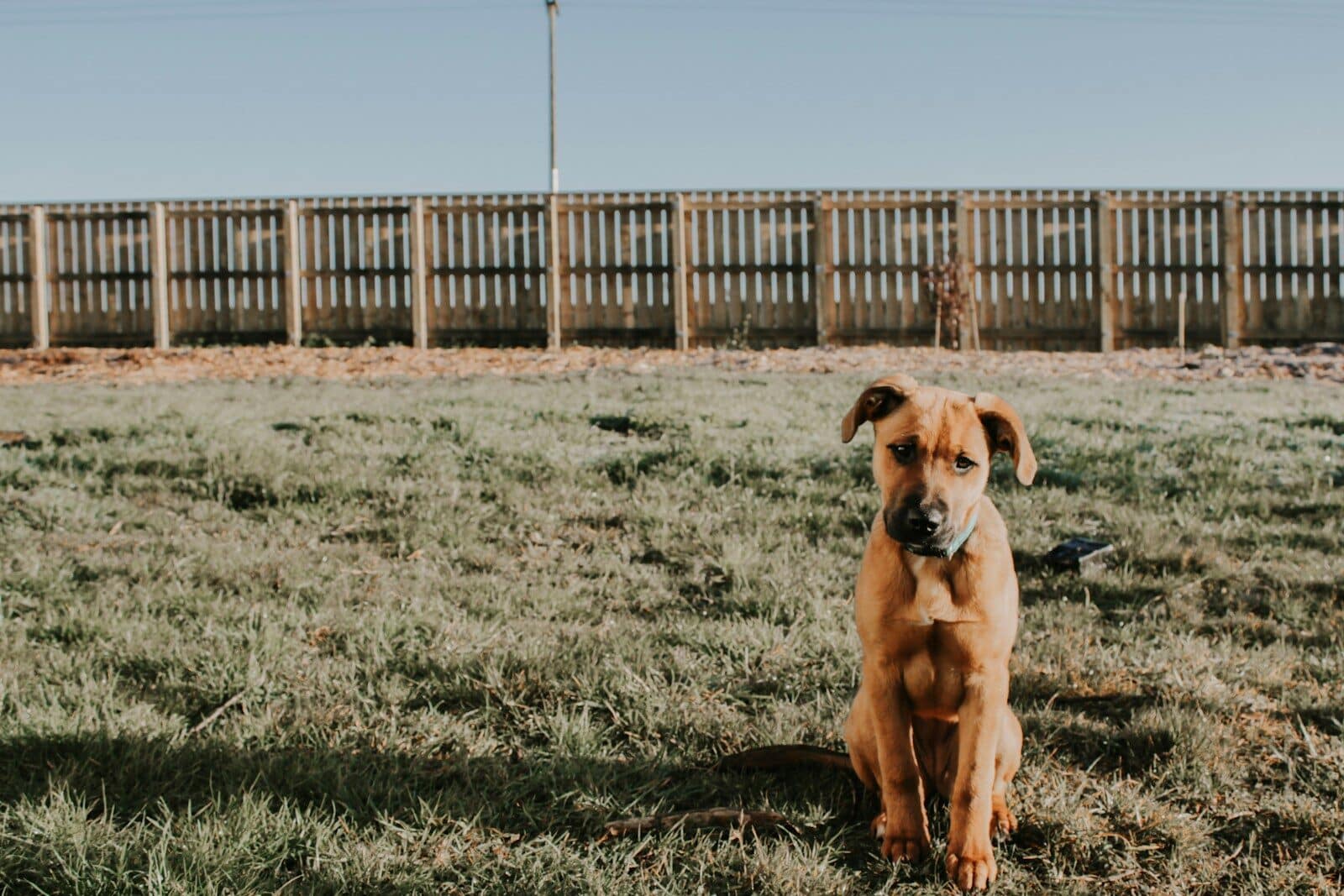
Photo by Matej Spulak on Unsplash
Why Lawn Chemicals Can Be Dangerous for Pets
Many conventional weed killer products are designed to eliminate unwanted weeds quickly and efficiently. Unfortunately, these products often rely on strong chemical formulas that may contain glyphosate, synthetic herbicides, or other harsh chemicals.
While these products can produce visible results in controlling weeds, they may also expose pets to substances that could potentially cause harm.
Pets encounter lawn chemicals in several ways:
- Walking or lying on a treated area
- Grooming their paws after contact with chemicals
- Eating grass or plants exposed to herbicides
- Drinking water from treated areas
Dogs and cats often investigate their environment using their noses and mouths. That means a lawn treated with traditional weed killers may expose them to chemicals simply through normal outdoor behavior.
Some herbicides are considered non-selective herbicide formulas, meaning they kill weeds and any plant they touch, including grass. These types of products are sometimes labeled as weed and grass killers or grass killer solutions.
Because of this, homeowners should always research products carefully and choose options labeled product safe for pets whenever possible.
What Makes a Weed Killer Pet Safe
A pet safe weed killer is designed to minimize risk to animals while still helping homeowners control unwanted plant growth.
While no product is completely risk-free, several features typically make a pet friendly weed killer safer than traditional alternatives.
Natural Ingredients
Many safer lawn care solutions rely on natural ingredients rather than synthetic chemicals.
Common ingredients found in safe weed killer products include:
- Vinegar or acetic acid
- Clove oil
- Citric acid
- Plant-based oils
These ingredients work by damaging the outer structure of weeds, causing them to dry out and die without leaving behind harmful chemical residues.
Some well-known natural products, such as Green Gobbler Vinegar Weed formulas, use high concentrations of vinegar to target weeds effectively.
These types of products are often labeled glyphosate-free formula, meaning they do not contain glyphosate, a chemical found in many conventional herbicides.
Organic Use
Products designed for organic use typically avoid synthetic pesticides and herbicides. Instead, they focus on naturally derived compounds that break down more quickly in the environment.
This can make them a better option for households with pets, children, or pollinators like bees.
Drying Time
Even pet safe weed products should be used responsibly. Most manufacturers recommend keeping pets away from a treated area until the spray has completely dried.
Once the area dries, the risk of exposure is significantly reduced.
Natural Weed Control Alternatives
In addition to commercial pet safe weed killer products, homeowners can use simple household solutions to rid their lawns of weeds.
Vinegar-Based Weed Killers
Vinegar is one of the most widely used natural weed control options. The acetic acid in vinegar damages plant cells, causing weeds to dry out and die.
Vinegar sprays work best on weeds growing in sunny areas where the plant can quickly dry out.
However, vinegar is considered a non-selective herbicide, which means it may also damage nearby plants or grass.
Boiling Water
Pouring boiling water on weeds is another simple method to kill weeds without using chemical herbicides.
This technique works particularly well for weeds growing in sidewalk cracks, driveways, or mulch beds.
Salt-Based Solutions
Salt can also help control weeds by dehydrating plant tissues. However, salt should be used carefully because it may damage the surrounding soil and prevent new plants from growing.
Salt treatments work best for isolated areas such as patios or walkways.
Mulch for Weed Prevention
Adding mulch to flower beds or mulch beds can help prevent weeds from growing in the first place.
Mulch blocks sunlight from reaching weed seeds, making it harder for them to grow while also helping soil retain moisture.
Lawn Safety Tips for Pet Owners
Even when using pet safe weed killer, it’s important to follow safe lawn care practices to protect your animals.
Read Product Labels Carefully
Always read product instructions before applying any weed killer. Look for labels that clearly state the product is pet safe or pet-friendly weed killer.
Understanding how the product works will help you apply it correctly.
Keep Pets Away During Treatment
Whenever you apply any lawn treatment, keep pets inside until the product has dried or fully settled.
This reduces the chance of exposure to toxic chemicals or other potentially harmful substances.
Avoid Overuse
Applying excessive amounts of herbicides can increase chemical exposure and may damage surrounding plants.
Follow recommended application guidelines to maintain proper grass control without unnecessary chemical buildup.
Spot Treat Weeds
Instead of spraying your entire yard, consider spot treatments for stubborn weeds such as poison ivy, broadleaf weeds, or crabgrass.
Targeted treatments reduce chemical use while still controlling problem areas.
Protecting Your Pets and Your Lawn
Maintaining a beautiful lawn does not have to come at the expense of your pet’s safety. By choosing a pet safe weed killer and using natural lawn care practices, homeowners can manage weeds while creating a safe outdoor environment for their animals.
Whether you choose a natural weed killer, vinegar-based sprays, or organic lawn treatments, the goal is to balance effective weed control with responsible pet safety.
For pet owners, awareness is the key to prevention. Understanding what products you use in your yard helps protect your pets from unnecessary exposure to harmful chemicals.
And if your pets spend time outside while you are away, having a trusted professional check on them can provide additional peace of mind.
At Kate’s K9 Pet Care, we help pet families across Maryland and Virginia keep their pets safe, happy, and active. Whether your dog needs a daily walk or your cat needs care while you travel, our experienced team provides reliable in-home pet care services you can trust.
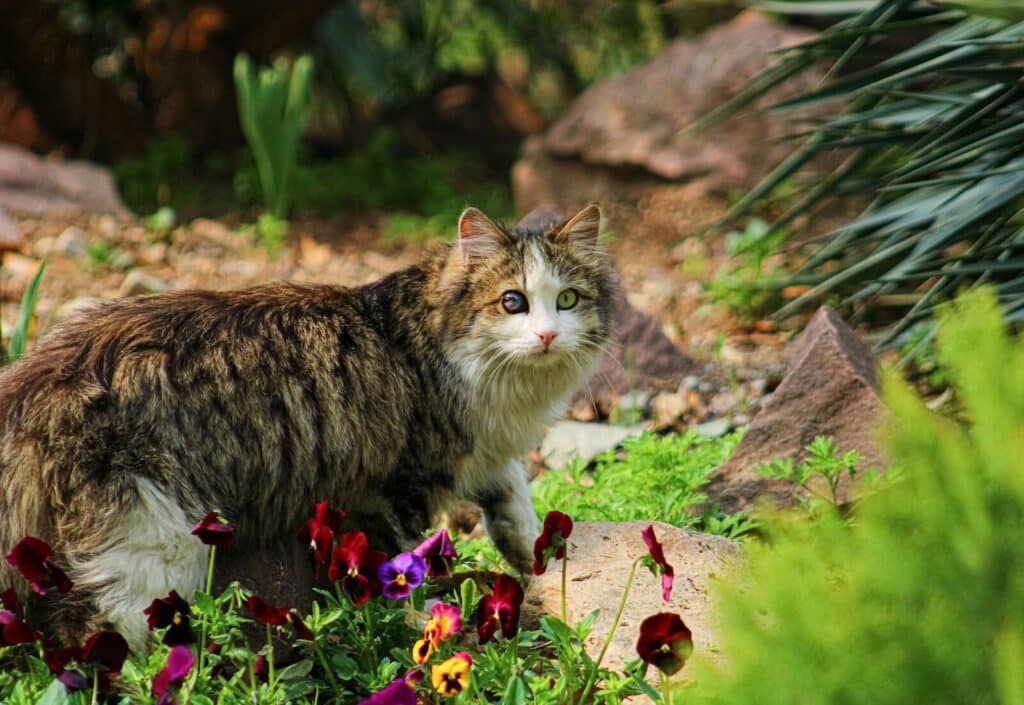
Photo by Nourieh Ferdosian on Unsplash
Helpful Resources for Pet-Safe Yard Care
Keeping your lawn beautiful without compromising your pet’s safety is easier when you have the right information. If you want to dive deeper into chemical safety, organic alternatives, or emergency preparedness, we highly recommend checking out these trusted resources.
ASPCA Animal Poison Control Center: This comprehensive database provides essential information on toxic plants, dangerous yard chemicals, and what to do in a pet poison emergency.
National Pesticide Information Center (NPIC): Here you will find objective, science-based information about specific pesticide ingredients and how they impact the health of household animals.
Environmental Protection Agency (EPA) – Safe Pest Control: The EPA offers practical guidelines on the safe use, proper storage, and responsible disposal of lawn care chemicals around your home.
Pet Poison Helpline: Along with offering a 24/7 emergency hotline, this site features a massive library of educational articles regarding lawn and garden toxins.
American Veterinary Medical Association (AVMA): This professional organization provides expert veterinary insights on protecting your pets from common household and yard hazards.
Beyond Toxics: This non-profit group provides helpful educational guides to help you transition to organic, chemical-free lawn care practices.
The Humane Society of the United States: You can explore this site for actionable tips on creating a pet-friendly garden and avoiding hazardous landscaping products.
Do you have a favorite natural weed control method that keeps your furry friends safe? Share your experiences and tips in the comments below to help our community build healthier, happier yards!