To see where we currently operate, please view our Service Area section.
Kate’s K9 Pet Care proudly provides dog walking, cat sitting, small animal pet care, pet taxi services, “Almost Overnight” pet care, and convenient pet supply delivery. To see where we currently operate, please visit our Service Area Page .
January is officially National Walk Your Pet Month. It’s a time designed to remind us of the joy and health benefits of walking our furry friends, but let’s be honest—in Oxon Hill, MD, January dog walking sessions are often less about “joy” and more about “survival.”
Between the biting wind coming off the Potomac and the crunchy layers of frost on the sidewalks, getting out the door can feel like a battle. However, despite the cold weather, ice, salt, and busy post-holiday schedules, maintaining a daily walking routine is non-negotiable for our dogs.
Winter walks provide essential physical exercise to burn off cabin fever energy, mental stimulation from new scents (even in the cold!), and the stability of a consistent daily routine that dogs crave.
As a professional dog walker serving Oxon Hill, Fort Washington, and surrounding areas, I see firsthand how winter surfaces can impact paws—and how preventable most injuries are. I’ve seen cracked pads from dry air, chemical burns from aggressive de-icing salts, and the discomfort of ice balls packing between toes. But I’ve also seen happy, healthy dogs trotting through the snow because their owners took a few simple precautions.
Book services online in just a couple minutes.
Because your pet deserves the best—get started with safe, winter-friendly walks.
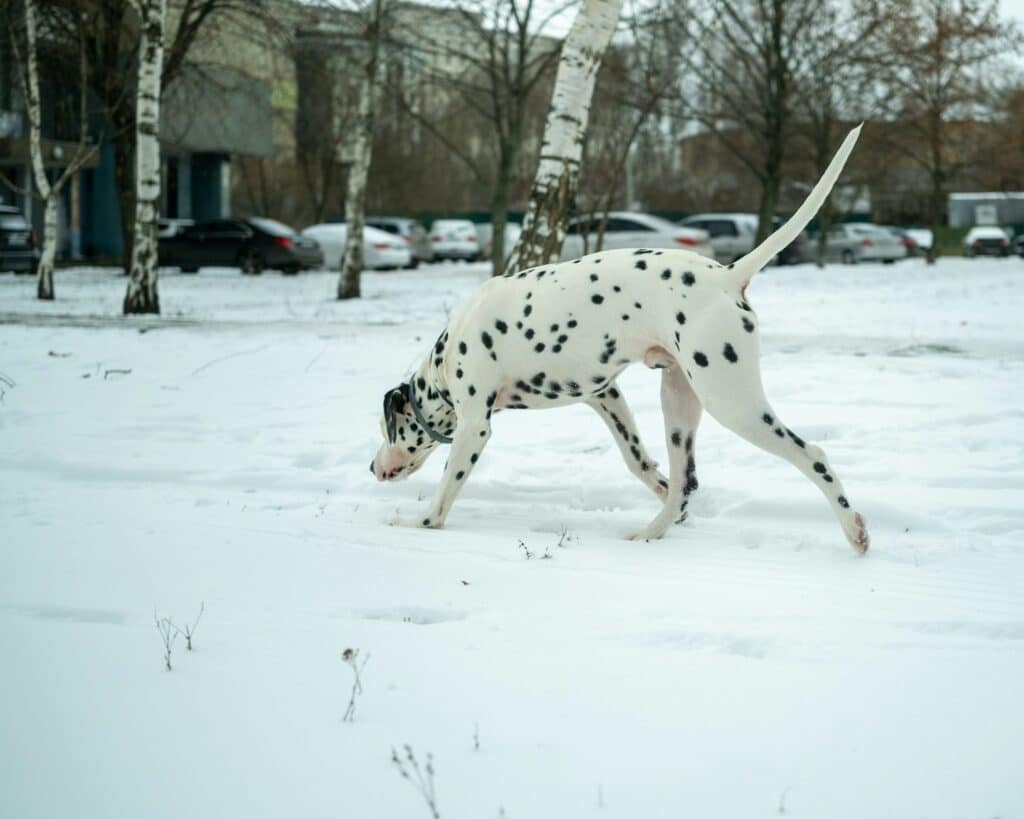
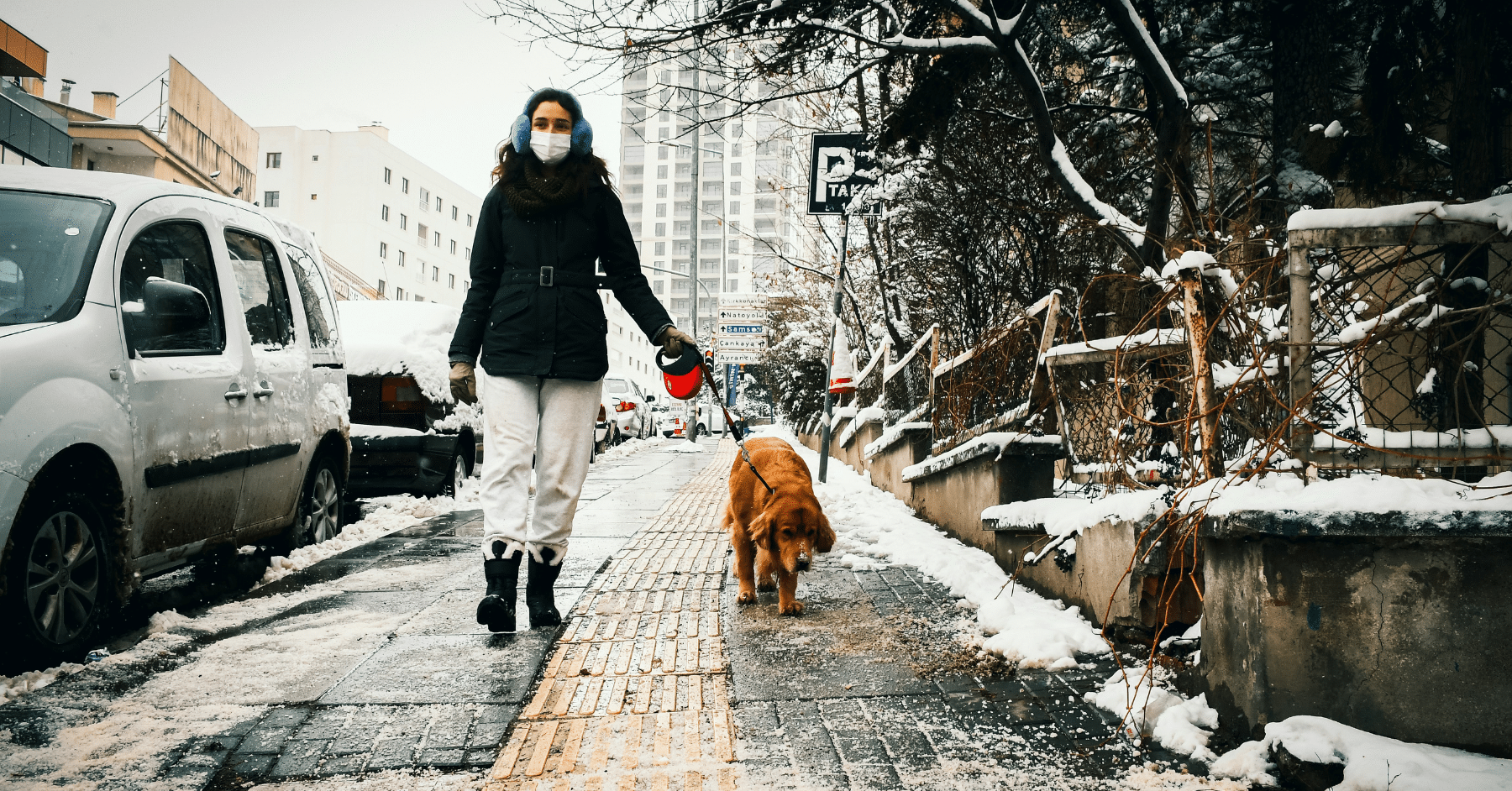
Photo by Eugene Chystiakov on Unsplash
The Hidden Dangers of Winter Dog Walking for Dog Owners
When we bundle up for a walk, we have the benefit of thick rubber soles to protect our feet. Our dogs and other dogs, however, are navigating the world barefoot. While paw pads are tough, they aren’t invincible, especially against the specific hazards found in Maryland winters.
For dog owners, awareness is the first line of defense. The most common culprit for winter paw issues is rock salt (sodium chloride) and various chemical ice melts. These substances are abrasive and can cause chemical burns or drying that leads to painful cracking. Furthermore, if a dog licks their paws after a walk, ingesting these chemicals can cause gastrointestinal distress or toxicity.
Beyond chemicals, the physical environment changes drastically. Sidewalks in neighborhoods like Oxon Hill can become uneven skating rinks. Sharp ice shards can cut paws, and the cold ground itself draws heat away from the body rapidly.
These hazards affect different dogs in different ways:
- Small dogs often have less body mass to generate heat and their paws are closer to the frozen ground.
- Active dogs who may not be familiar with basic obedience may pull or run may not notice an injury until they are back inside because their adrenaline is pumping.
- Puppies and senior dogs generally have more sensitive pads and may struggle with traction on icy patches.
A good rule of thumb I always share is the “5-second rule.” If you can’t hold the back of your hand against the pavement for five seconds because it’s too cold, it’s likely uncomfortable or dangerous for your dog’s paws.
But don’t let this scare you indoors for the season. With the right preparation, winter walks can still be safe and enjoyable. Trusted pet care starts with awareness—book care with confidence.
5 Ways I Protect Dog Paws From Salt and Ice Melt During Winter Walks
Over my 15+ years of experience, I’ve refined a routine that keeps paws safe without sacrificing the fun of a walk. Here are the five strategies I use daily during the winter months.
1. I Always Check Sidewalk Conditions Before Every Walk
The route you take in July shouldn’t necessarily be the same route you take in January. Before I even leash up a dog, I’m scanning the environment.
In Oxon Hill and National Harbor, some walkways are heavily treated with industrial-strength salt, while others are left to freeze over. I specifically look for salt-heavy areas—usually distinguishable by white crystals or a chalky residue—and try to avoid them. If avoidance isn’t possible, I steer the dog toward snow or grass on the shoulder of the path, which is gentler on paws than salted concrete.
I also look out for shady ice patches. In winter, the sun angle is low, and shadows from buildings or trees can keep sections of the sidewalk frozen all day. These are slip hazards for both the dog and the walker. High-traffic city sidewalks might be cleared of snow, but they are often the worst offenders for chemical treatments.
Route planning matters more in winter because you want to maximize safety and minimize exposure to irritants. With 15+ years of dog walking experience, I know which routes are safest in each neighborhood, often adjusting on the fly to keep paws on the cleanest surfaces possible.
2. I Wipe and Inspect Paws After Every Walk
The walk isn’t over when we step back inside. One of the most critical steps in my winter routine is the post-walk wipe-down.
As soon as we are indoors, I use a warm, damp cloth or a pet-safe grooming wipe to gently clean each paw. This removes salt residue that can cause chemical burns and chemical de-icers that are toxic if licked. It also allows me to melt away any ice balls that have formed between the toes. This is necessary even if you went to a dog park, local park ect.
This is also the perfect time for a quick inspection. I check for:
- Redness: A sign of irritation or cold burn.
- Cracking: Indications that the pad is drying out.
- Cuts or Abrasions: From sharp ice or hidden debris.
- Foreign Objects: Salt crystals or small rocks stuck between pads.
For my clients, I document this. If I notice a cracked pad or a sensitive spot, I snap a photo and include it in the update note I share with the pet parent after each visit. This level of communication ensures that minor issues don’t turn into major vet visits.
Peace of mind starts here—reserve service today.
3. I Recommend Paw Protection for Sensitive Pups
Sometimes, a wipe-down isn’t enough, especially for dogs with sensitive skin or during extreme cold snaps. In these cases, I recommend proactive protection.
There are generally two routes: paw balms and dog booties.
- Paw Balms: These are wax-based creams (like Musher’s Secret) that create a semi-permeable barrier on the paw pad. They prevent snow buildup between toes and protect against salt burn. They are great for dogs who refuse to wear boots.
- Dog Booties: These offer the ultimate protection, completely covering the paw. They provide traction and insulation. They are particularly beneficial for small dog breeds, seniors, and short-haired pups who lose heat quickly.
I never force a dog to wear gear they hate, but I do help pet parents introduce these items slowly. If you aren’t sure which is right for your dog, professional guidance can be incredibly helpful. Navigating the world of pet gear can be overwhelming, but finding the right fit can change a dog’s entire winter experience.
For more on protecting your dog’s paws, check out these tips from The American Kennel Club.
4. I Adjust Walk Length — Not the Routine
Consistency is key for a well-behaved dog, but safety is paramount. During severe winter weather, I adjust the length of the walk, but I try never to adjust the routine.
Shorter, more frequent walks are often better than one long expedition in freezing temps. This limits exposure to the cold and salt while still allowing the dog to relieve themselves and sniff around.
Skipping walks entirely can lead to a host of issues. A bored dog with excess energy is a destructive dog. You might notice increased barking, chewing on furniture, or anxiety behaviors. By keeping the routine—even if the walk is only 15 minutes instead of 30—we maintain a sense of normalcy for the dog.
This is where a reliable dog walker helps keep routines intact even when life gets busy. When you don’t want to go out in the slush, or your work commute is doubled due to weather, knowing someone is there to keep your dog’s schedule on track is invaluable.
Book care, get peace of mind—it’s that simple.
5. I Know When It’s Time to Head Home
Dogs speak to us through their body language, and in winter, they speak volumes about their comfort levels. Part of my job is reading these subtle cues.
I watch closely for:
- Limping or “dancing”: Lifting paws off the ground frequently is a sign the ground is too cold.
- Stopping frequently: Refusing to move forward.
- Whining or shivering: clear signs of distress.
- Lifting paws: Holding one paw up while standing still usually means that paw is freezing or hurting from salt.
If I see these signs, the walk ends, or we find a warmer surface immediately. No walk is worth risking injury or hypothermia. This safety-first mindset is what separates a professional from a hobbyist. As a licensed, bonded, and insured team, we use experienced judgment to make decisions that prioritize the animal’s welfare above all else.
If you’re wondering how cold is too cold, PetMD offers a great chart based on size and coat type.
Why Hiring a Professional Dog Walker Is a Safer Winter Option
You might be asking yourself, “Is it worth hiring help for winter walks?” or wondering, “How much is a dog walker for 1 hour?”
When you hire a professional, you aren’t just paying for someone to hold a leash. You are paying for weather-aware professionals who know how to mitigate risks. We have the gear, the experience, and the training to handle winter conditions safely.
We offer reliable scheduling during workdays when daylight is scarce. In winter, it might be dark when you leave for work and dark when you get home. A midday walk from a professional ensures your dog gets out during the warmest, brightest part of the day, which is safer for visibility and temperature.
At Kate’s K9 Pet Care, we want you to experience the difference every single day. We offer a ree first service walk for new clients so you can see our safety protocols in action without any risk. We also proudly support our community with a 10% discount for teachers, first responders, and military families.
For more on the benefits of professional dog walking, read this article by Cesar Millan.
Winter Dog Walking and Pet Sitting Is Part of Complete Pet Care.
Winter care extends beyond just the paws. It’s about overall wellness and great care. Consistent dog walking ensures your pet stays physically fit, preventing winter weight gain. It provides the mental stimulation needed to prevent boredom-induced bad behaviors at your house.
But sometimes, a walk isn’t what you need. That’s why we position Kate’s K9 Pet Care as a one-stop solution for winter pet needs.
- Pet Sitting: If you’re traveling for the holidays, we offer in-home care that keeps your pets safe and warm in their own environment.
- Drop-in Visits: Perfect for days when the weather is too frightful for a long walk, but your pet needs a potty break, feeding and some playtime.
- Pet Taxi: We can safely transport your own dog to the vet or groomer so you don’t have to navigate icy roads with a nervous animal.
- Pet Supply Delivery: Running low on food during a snowstorm? We can help deliver essentials right to your door.
To understand more about the importance of winter pet care, the Animal Humane Society has an excellent guide.
We also serve a wide area, including Alexandria, Arlington, and Springfield, VA, ensuring that pets across the region have access to top-tier care.
If you are looking for indoor activities to keep your dog busy on storm days, check out this article.

Keep Paws Safe While Keeping Routines Strong With Trustworthy Care
Winter in Oxon Hill doesn’t have to mean skipped walks or unsafe outings. By checking sidewalk conditions, wiping paws after every trip, using protection like balms or booties, adjusting walk lengths, and listening to your dog’s body language, you can navigate the season safely.
At Kate’s K9 Pet Care, we are family-operated and trusted across Virginia and Maryland. We treat every pet like our own family, ensuring they are safe, happy, and healthy regardless of what the thermometer says. We provide services for cats, small animals, dogs ect.
Book Your Pet’s Next Adventure Today.
Join Our Pack—Schedule Your Free First Walk Now.