To see where we currently operate, please view our Service Area section.
Kate’s K9 Pet Care proudly provides dog walking, cat sitting, small animal pet care, pet taxi services, “Almost Overnight” pet care, and convenient pet supply delivery. To see where we currently operate, please visit our Service Area Page .
January has arrived, and with it, National Walk Your Pet Month. It’s a time designed to remind us of the joy and health benefits of walking our furry friends, but let’s be honest—in Camp Springs, MD, January dog walking sessions are often less about “joy” and more about dodging ice patches and shivering against the wind.
When the temperature drops and the sidewalks are coated in a mix of snow and road salt, the motivation to head outside can plummet. It is tempting to skip the walk and stay curled up under a blanket. However, your dog’s needs don’t hibernate. Daily walks remain essential for maintaining physical health, providing mental stimulation, and preventing boredom-induced behavioral issues.
As a local dog walker with over 15 years of experience in the Virginia and Maryland area, walking dogs, I’ve seen firsthand how winter transforms our familiar routes. I know the specific challenges of navigating Camp Springs neighborhoods when the weather turns. The good news? It is entirely possible to maintain a consistent walking routine safely. It just requires a shift in strategy and a bit of preparation.
Here is why winter walking demands extra caution and six practical ways I keep dogs safe when the ground gets slippery.
Book services online in just a couple minutes.
Why Winter Dog Walking Services Require Extra Safety
Winter in Maryland isn’t just cold; it presents a unique obstacle course for our four-legged companions. While we have sturdy boots and coats, our dogs are much closer to the ground and more exposed to the elements.
The primary enemy isn’t always the temperature itself—it’s the terrain. Dog walking in winter means navigating ice, hard-packed snow, and the chemical agents used to melt them.
The Hidden Dangers of Ice and Snow
Slipping is a major risk for both the walker and the dog. Just like humans, dogs can strain muscles or suffer ligament injuries from slipping on black ice. Older dogs with arthritis may find the cold and uneven footing particularly painful. Furthermore, snow can hide hazards like broken glass, sharp rocks, or uneven pavement that would be easily avoidable in summer.
The Chemical Threat
Road salt and chemical deicers are ubiquitous in Camp Springs during January and February. While they keep cars safe, they can be harsh on canine paws. Prolonged contact can cause dryness, cracking, and chemical burns. Even worse, if a dog licks their paws after a walk, they risk ingesting toxic chemicals that can cause gastrointestinal distress.
Read more about the dangers of winter salt on dog paws here.
Safety is always my top priority. Over the years, I have refined my approach to ensure that every winter excursion is as safe as it is fun. Here are the specific protocols I use.
6 Ways I Keep Winter Dog Walking Safe in Camp Springs, MD
1. I Always Choose Safer Routes
Not all sidewalks are created equal, especially after a snowstorm. When providing dog walking services, I assess the route before we even step off the porch.
I avoid untreated sidewalks, steep hills that may have turned into slides, and shaded areas where ice tends to linger days after the sun has come out. In Camp Springs, some neighborhoods are better at clearing paths than others. I stick to familiar areas with GPS tracking where I know the terrain and can predict where the trouble spots might be.
Sometimes, the safest route is a shorter loop repeated twice, rather than a long trek into unknown territory. If the sidewalks are treacherous, I might opt for a walk along the perimeter of a cleared park or a quiet, plowed cul-de-sac where visibility is high and traffic is low.
2. I Protect Paws From Ice Melt and Salt
Paw care is non-negotiable in winter. The combination of ice crystals and chemical salts acts like sandpaper on delicate paw pads.
For dogs that will tolerate them, booties are the gold standard. They provide traction and a physical barrier against chemicals. However, not every dog is a fan of footwear. For those who prefer to go barefoot, I use a protective paw wax (like Musher’s Secret) which creates a semi-permeable shield on the pads.
Check out this guide on how to get your dog used to wearing boots.
Regardless of what they wear, the walk isn’t over until the paws are clean. I make it a habit to wipe down paws immediately upon returning inside. This removes any clinging salt balls and ice melt before the dog has a chance to lick them. I also check between the toes for ice accumulation, which can be incredibly uncomfortable.
3. I Adjust Walk Lengths Without Skipping Routine and Drop Ins
Consistency is key, but flexibility is necessary. During extreme weather, frequent walks that are shorter in duration are often better than one long marathon.
- Puppies: Young dogs have less body fat and can get cold quickly. Shorter walks and positive exposures to the cold help them socialize without getting overwhelmed.
- Senior Dogs: The cold can aggravate stiff joints. Several short, gentle walks with special instructions (if needed) keep them moving without causing excessive strain.
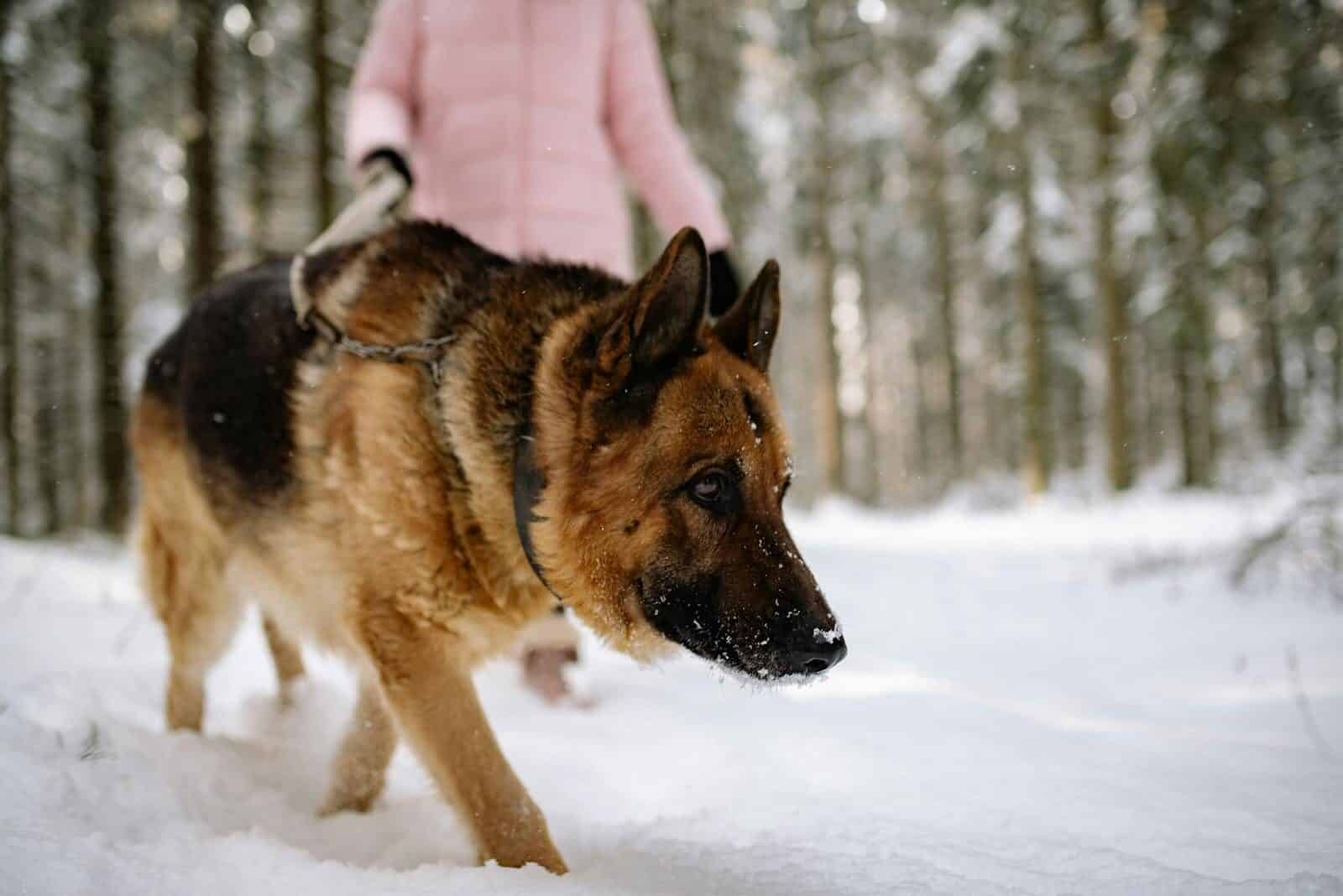
- High-Energy Breeds: Even Huskies and Shepherds have their limits when it’s freezing. We might pick up the pace to keep body heat up, but limit the total time outside to prevent frostbite on extremities.
Maintaining the routine of the walk—even if it’s only 15 minutes instead of 30—helps reduce stress and prevents the “cabin fever” from quick potty breaks that leads to chewed furniture and excessive barking from your own dog.
Learn more about how cold is too cold for dogs here.
4. I Stay Alert for Hidden Winter Hazards
Winter requires a different level of vigilance. When I am walking a client’s dog, my eyes are constantly scanning the ground.
Puddles that look innocent might be frozen sheets of ice. A pile of snow could be hiding a jagged piece of metal or a deep pothole. I also keep a closer eye on the dog’s body language. Are they lifting a paw? Are they shivering? These are immediate signs to head indoors.
Leash control is also critical. If a dog spots a squirrel and pulls suddenly on an icy patch, it can be disastrous for both of us. I keep the leash at a manageable length to ensure stability and quick reaction times. This is why having an experienced dog walker matters—we are trained to anticipate these risks before they become accidents.
5. I Use Proper Winter Walking Gear
You wouldn’t send a construction worker to a site without a hard hat, and you shouldn’t send a dog walker, or both you and your dog out, without the right gear.
For myself, this means heavy-duty traction footwear (like Yaktrax) to ensure I stay upright even if the dog pulls. For the dogs, ensuring that collars and harnesses are secure is vital. Cold weather can sometimes make plastic clips brittle or cause metal latches to jam. I double-check all equipment before we leave the house.
Visibility is another major factor. With the sun setting so early in Camp Springs, afternoon walks often happen in twilight or darkness. I utilize reflective leashes, collars, and sometimes even light-up tags to ensure that passing cars can see us clearly.
Here are some top-rated reflective gear options for winter walking.
6. I Communicate and Customize Every Walk
Every dog has a different tolerance for winter. A thick-coated Malamute might think 20 degrees is tropical, while other dogs, like a Greyhound might refuse to step outside without a sweater.
I provide trustworthy care by following the specific instructions of the pet parent. If a client knows their dog has a sensitivity to cold on their ears, I make sure to watch for that. If a dog has a history of dry paws, I apply the balm they provide.
After every visit, I send an update. In the winter, these notes are crucial. I’ll let you know if your dog seemed cold, if we shortened the walk due to ice, or if we had a great time playing in fresh snow. I also send photos so you can see that your furry friend is happy and safe. This level of communication gives pet parents peace of mind that their dog isn’t just being walked—they are being cared for.
Why Many Pet Parents Choose A Professional Dog Walker in Winter
Let’s face it: winter schedules are chaotic. Between work deadlines, early sunsets, and the sheer effort of bundling up, walking the dog can feel like an impossible chore at the end of a long day. This is where professional dog walking services become a lifesaver.
Reliability in Bad Weather
When the forecast calls for a “wintry mix” in Camp Springs, you might dread going outside. But for a professional, it’s just another day at the office. We are equipped and prepared to handle the elements so you don’t have to. You can stay warm at your desk or on your couch, knowing your dog is getting their necessary exercise.
Read about the importance of exercise for dogs in winter.
Experience Handling Winter Risks
Navigating ice and salt requires a specific skill set. Professional walkers know how to read the sidewalk conditions and the dog’s body language to prevent accidents. We know when to push through and when to turn back. This expertise significantly lowers the risk of injury for your pet.
No Guilt When Workdays Run Long
Winter traffic in the DMV area is unpredictable. If you get stuck at the office or on the beltway during a snow flurry, you don’t have to panic about your dog waiting by the door. With easy scheduling and a reliable team, you can rest assured that your pet’s needs are met, regardless of your commute time.
Choosing a licensed, bonded, and insured company like Kate’s K9 Pet Care adds an extra layer of reassurance. You know that a professional is entering your home and caring for your family member.
See why hiring a bonded and insured dog walker is important.
Local, Loving, Trustworthy Care You Can Trust With Easy Scheduling
At Kate’s K9 Pet Care, we aren’t just a faceless app; we are your neighbors. We are a family-operated business deeply rooted in the community, serving Camp Springs, Alexandria, Arlington, and the surrounding Maryland and Virginia areas.
We understand the local weather patterns, the traffic, and the best walking spots because we live here too. We pride ourselves on offering flexible, 24/7 availability because we know life doesn’t always stick to a 9-to-5 schedule. Our online booking portal makes it incredibly simple to schedule a walk, view your pet’s report card, and manage your account.
We also believe in giving back to the community that supports us. That’s why we offer special discounts for the heroes among us—first responders, teachers, active-duty military, and veterans.
Learn more about finding the right dog walker for your needs.
Winter Walks Done Right, Stress Free
Winter doesn’t mean you have to stop walking; it just means you have to walk smarter. By protecting those paws, choosing the right gear, and staying vigilant against ice and salt, you can keep your dog healthy and happy all season long.
However, you don’t have to do it alone. If the idea of navigating icy sidewalks before the sun comes up feels daunting, Kate’s K9 Pet Care is here to help. We are your reliable, background checked winter partner, ensuring your dog and other animals maintain their routine safely, no matter what the forecast says.
Ready to give your dog the winter care they deserve?