To see where we currently operate, please view our Service Area section.
Kate’s K9 Pet Care proudly provides dog walking, cat sitting, small animal pet care, pet taxi services, “Almost Overnight” pet care, and convenient pet supply delivery. To see where we currently operate, please visit our Service Area Page .
January in Southern Maryland is a distinct experience. The holiday lights have been packed away, the skies often turn a steel gray, and the wind off the Potomac River can cut right through even the thickest coat. It is the time of year when the comfort of a heated living room feels infinitely more appealing than the frost on the front lawn.
Yet, January is also National Walk Your Pet Month. It serves as a timely reminder that while we might want to hibernate, our canine companions still require activity, engagement, and routine.
At Kate’s K9 Pet Care, we have spent over 15 years navigating these winters. As a family-operated, community-based company serving areas from Fort Washington and National Harbor down through Southern Maryland, we understand the local challenges. We know that winter weather makes walks harder, shorter, and tempting to skip altogether. However, we also know that consistent dog walking is essential for physical health and mental stimulation, regardless of the temperature.
Through our years of service, we have noticed patterns in how pet owners approach the colder months. While intentions are always good, there are specific safety oversights that occur when the temperature drops. Here are eight common winter safety mistakes we see pet owners make, and how you can avoid them to keep your pup safe this season.
Book services online in just a couple minutes.
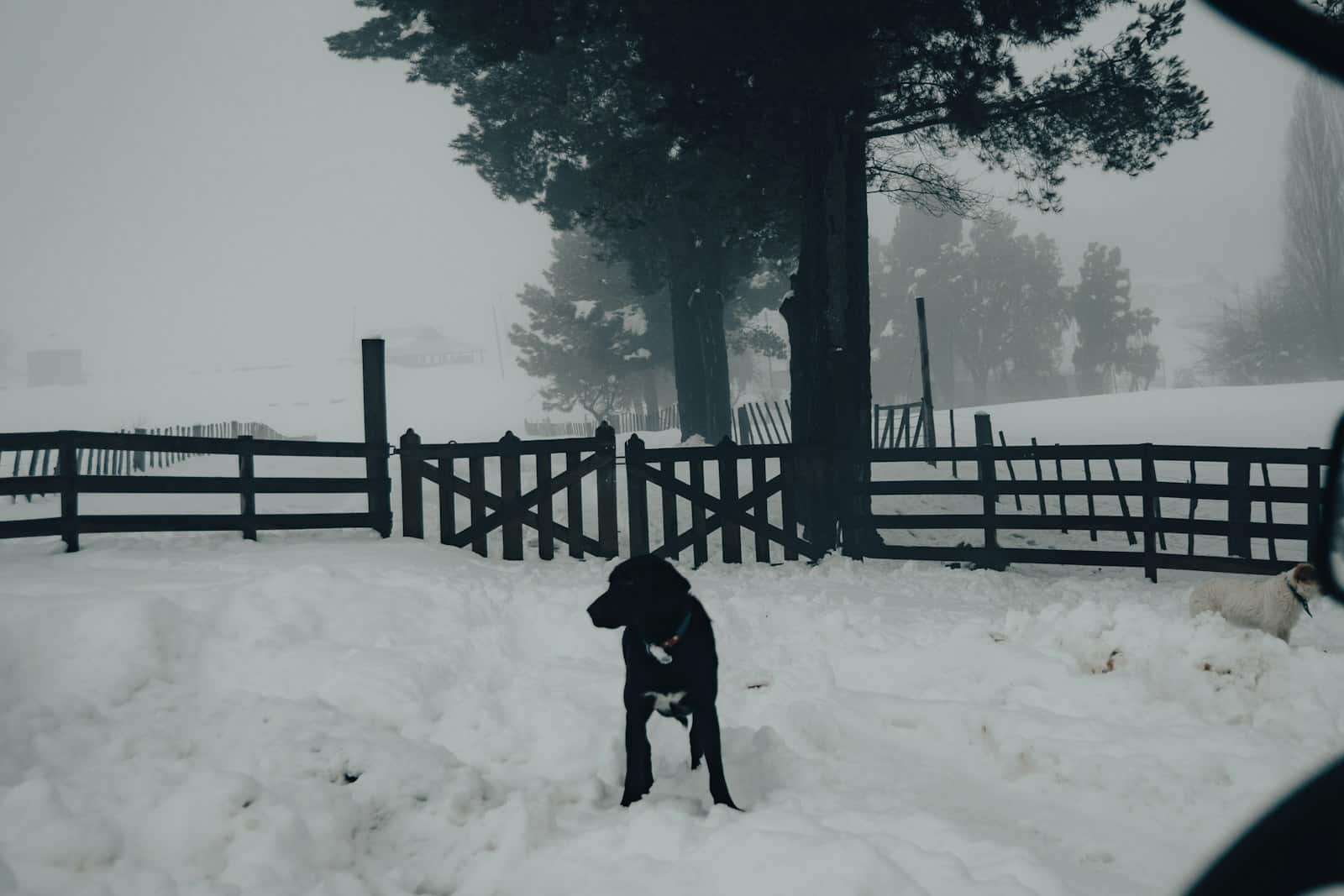
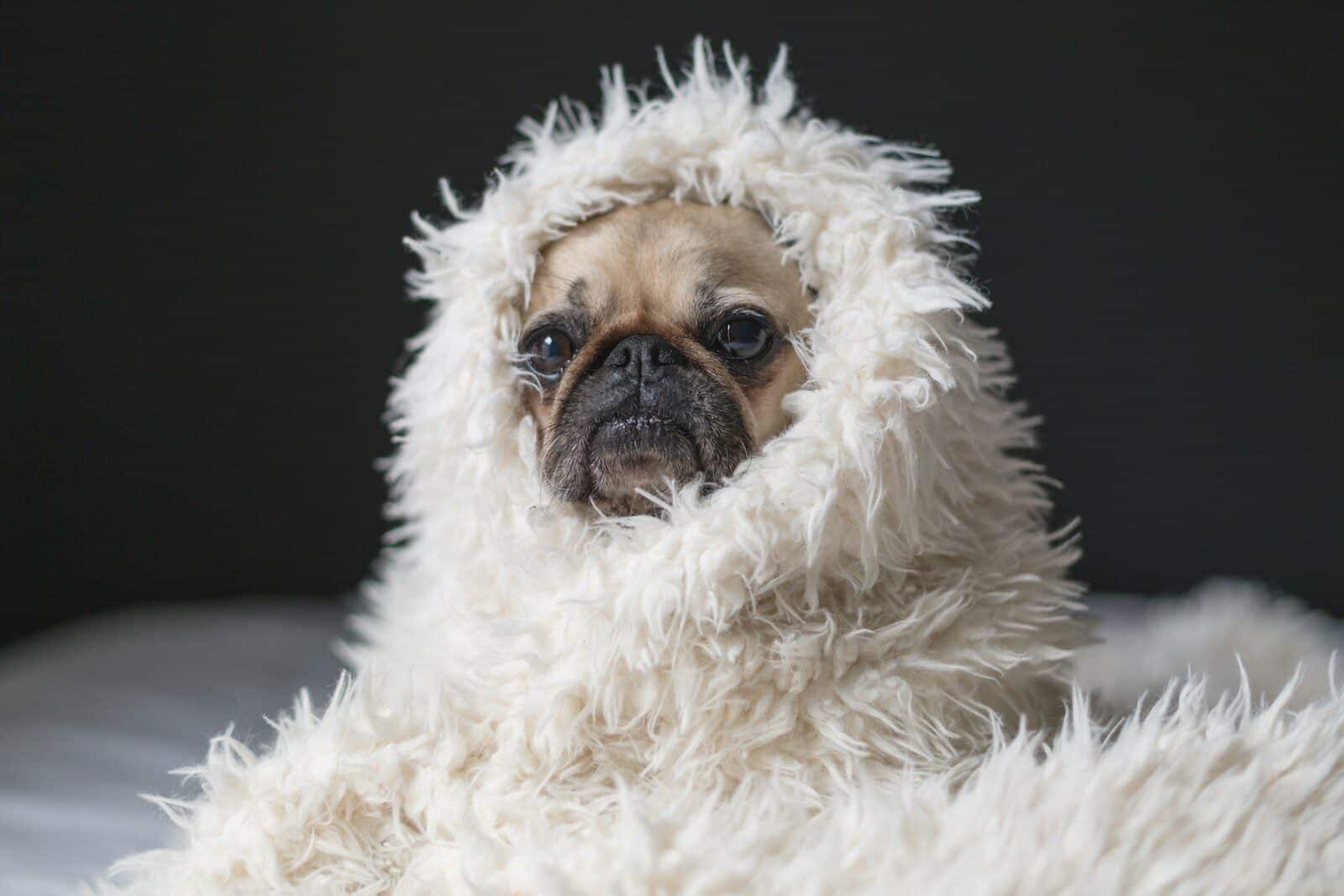
Photo by gaspar zaldo on Unsplash
Mistake #1: Skipping Walks Entirely Because It’s Cold
When the forecast in Waldorf or Temple Hills calls for freezing rain or single-digit wind chills, the temptation to skip the daily walk is overwhelming. It is easy to assume that a quick let-out in the backyard is sufficient. However, skipping walks entirely often leads to “winter weight” gain and behavioral issues.
Dogs do not understand the concept of a wind chill advisory; they only know they have energy to burn. Without an outlet, that energy often manifests as destructive chewing, excessive barking, or anxiety. Furthermore, nearly 60% of cats and 56% of dogs in the United States are overweight or obese. Maintaining a walking schedule is crucial for weight management, even when the weather is less than ideal.
Resource: The Association for Pet Obesity Prevention offers excellent insights into why year-round activity is vital for longevity. Read more about pet weight prevention here.
If your schedule or tolerance for the cold makes consistent walking difficult, this is where professional support bridges the gap. We help maintain that vital routine so your dog stays healthy and your furniture stays safe.
Mistake #2: Assuming All Dogs Tolerate Cold the Same Way
One of the most frequent misconceptions is that all dogs are equipped for winter because they have fur coats. The reality is that cold tolerance varies wildly based on large breeds vs. small breeds, size, age, and health status.
A husky in Oxon Hill might thrive in 30-degree weather, regarding it as the best day of the year. Conversely, a Greyhound, Boxer, or Chihuahua lacks the undercoat and body fat to retain heat effectively. Senior dogs are also particularly vulnerable; cold weather can aggravate arthritis and joint pain, making long walks painful rather than enjoyable.
Resource: The American Veterinary Medical Association (AVMA) provides a detailed guide on how different pets react to cold temperatures. Check out their cold weather safety guide.
Experienced dog walkers know how to read these biological cues. We adjust the pace to keep the dog’s body temperature up, shorten the duration for vulnerable breeds, and ensure that short-haired dogs are properly layered up before stepping outside.
Mistake #3: Ignoring Ice, Salt, and Chemical Hazards
In Southern Maryland, the threat isn’t just the cold air; it is what is on the ground. To keep roads and sidewalks safe for cars and pedestrians, counties and homeowners apply rock salt and chemical deicers liberally. While these melt ice effectively, they can be hazardous to your dog.
Rock salt can cause painful chemical burns on paw pads. Furthermore, dogs naturally groom their paws after a walk. If they ingest the chemical residue, it can lead to gastrointestinal distress or toxicity. There is also the physical risk of slipping. An excited dog pulling on a leash can easily slip on a patch of black ice, leading to muscle strains or torn ligaments.
Resource: The ASPCA has compiled essential information regarding toxic substances found in winter, including ice melts. Review their poison control tips here.
Proactive care involves choosing routes that are less treated with harsh chemicals, using paw wax or booties for protection, and always wiping paws thoroughly with a warm, damp cloth immediately after returning indoors.
Mistake #4: Using the Wrong Gear or Skipping It Entirely
Summer gear often does not translate well to winter safety. The most obvious difference is daylight. In January, the sun sets early in the DMV area. Walking a dog at 5:30 PM often means walking in total darkness.
Visibility is a major safety concern. If you are wearing a dark coat and your dog has a dark coat, drivers simply cannot see you until it is too late. Reflective leashes, harnesses, and blinking LED collar lights are not just accessories; they are necessities.
Additionally, standard collars may not provide enough control on slippery surfaces. If a dog lunges on ice, a collar puts immense pressure on the trachea. A sturdy harness with a front clip can provide better control and stability for both the dog and the walker.
Resource: Manypeets.com offers a great breakdown of safety gear essentials for night walking. See their recommendations here.
Mistake #5: Rushing Walks or Turning Them Into “Quick Potty Breaks” Only
We all want to get back into the warmth as fast as possible. However, there is a significant difference between a potty break and a walk. A “quick potty break” serves a biological function, but it offers zero mental enrichment.
Winter walks might need to be short walks for physical safety, but they should still be meaningful. Sniffing is a dog’s primary way of processing information. A 15-minute “sniffari” where the dog is allowed to explore scents can be as mentally tiring as a 30-minute power walk. Rushing a dog through their business deprives them of this mental stimulation.
Resource: Fear Free Happy Homes explains the importance of “sniff walks” and mental enrichment. Learn why sniffing is so important.
At Kate’s K9, we tailor the walk length to the weather conditions, but we ensure the time spent outside or at a neighborhood’s dog park is quality time. If it is too cold for a long trek, we focus on engagement and enrichment during the time we have.
Mistake #6: Not Watching for Cold-Weather Health Warning Signs
Hypothermia and frostbite are real risks, even in Maryland. Frostbite usually affects extremities like ears, tails, and paws. The skin may turn pale or blue and feel cold to the touch. Hypothermia is a drop in core body temperature that can be fatal.
Many pet owners miss the early warning signs because they are focused on getting from Point A to Point B. Signs of distress include:
- Whining or anxious behavior
- Shivering that does not stop
- Slowing down or refusing to walk
- Lifting paws off the ground
Resource: The Humane Society provides a comprehensive look at how to protect pets from freezing temperatures. Read their winter safety advice.
Professional pet care providers are trained to notice subtle changes in behavior. We know when a limp is just a pebble and when it is a sign of ice accumulation between the toes or joint stiffness from the cold.
Mistake #7: Forgetting That Owners Are Also Part of the Safety Equation
Your dog feeds off your energy. If you are stressed, rushing, or shivering uncontrollably, your dog senses that tension. Inconsistent schedules caused by winter fatigue, long commutes in bad traffic, or childcare demands can increase anxiety in pets. They thrive on routine. When the walk time fluctuates wildly because the owner is overwhelmed by the winter schedule, the dog’s stress levels rise.
Furthermore, owner safety is paramount. If you are not wearing proper footwear with good traction, you are at risk of a fall, especially if your dog pulls.
Resource: The American Kennel Club (AKC) discusses the importance of routine for dogs and how it affects their behavior. Read about the power of routine.
Mistake #8: Waiting Too Long to Ask for Help
Perhaps the biggest mistake is the belief that you have to do it all yourself. Many pet parents delay hiring help because they feel guilty or think they should be able to manage. By the time they reach out, they are often burnt out, and the dog is climbing the walls with unspent energy.
A free consultation makes it incredibly easy to start. You do not have to commit to a lifetime of walks; you can utilize services specifically for the harsh winter weeks to ensure your pet stays on track while you stay warm.
Resource: Professional United Pet Sitters discusses why hiring a pro is a safety choice, not just a luxury. Explore the benefits of professional sitting.
Why Professional Dog Walking With Professional Dog Walkers Is a Safer Winter Option
Navigating winter safely requires preparation, gear, and experience. This is where Kate’s K9 Pet Care excels. We are not just neighbors who like dogs; we are professionals with over 15 years of experience handling the variable weather of Virginia and Maryland.
We are fully licensed, bonded, insured, and use enhanced background checks (verified by AcuTraq), providing you with total peace of mind. We utilize the “Time To Pet” app to provide daily updates, GPS tracking of walks, and photos after every visit. You will know exactly when your dog went out, where they walked, and how they did.
Our local knowledge of Southern Maryland neighborhoods means we know which sidewalks are usually icy and which streets are well-lit. We act as your eyes and ears on the ground, ensuring your pet is safe while you focus on your day.
Beyond Dog Walking Services: Other Services That Support Winter Pet Care
Sometimes, a walk isn’t what you need. Winter travel for holidays or work often comes up, and you need reliable care in your home. Dont hesitate to send special instructions because we understand every dog is different
- Drop-In Visits & And Almost Overnight: If you are away, we offer almost overnight care and drop-ins to keep your pets in their own warm beds rather than a kennel. Also, we are certified to administer medication.
- Cat Sitting: Cats need winter love too! We provide loving in-home care starting at $31.50.
- Pet Taxi: Winter driving can be treacherous. If your pet has a vet or grooming appointment, our Pet Taxi service (starting at $35) ensures they get there safely. This can also be helpful if you have two dogs that need transport.
- Pet Supply Delivery: Running low on food during a snow scare? We can help deliver essentials right to your door.
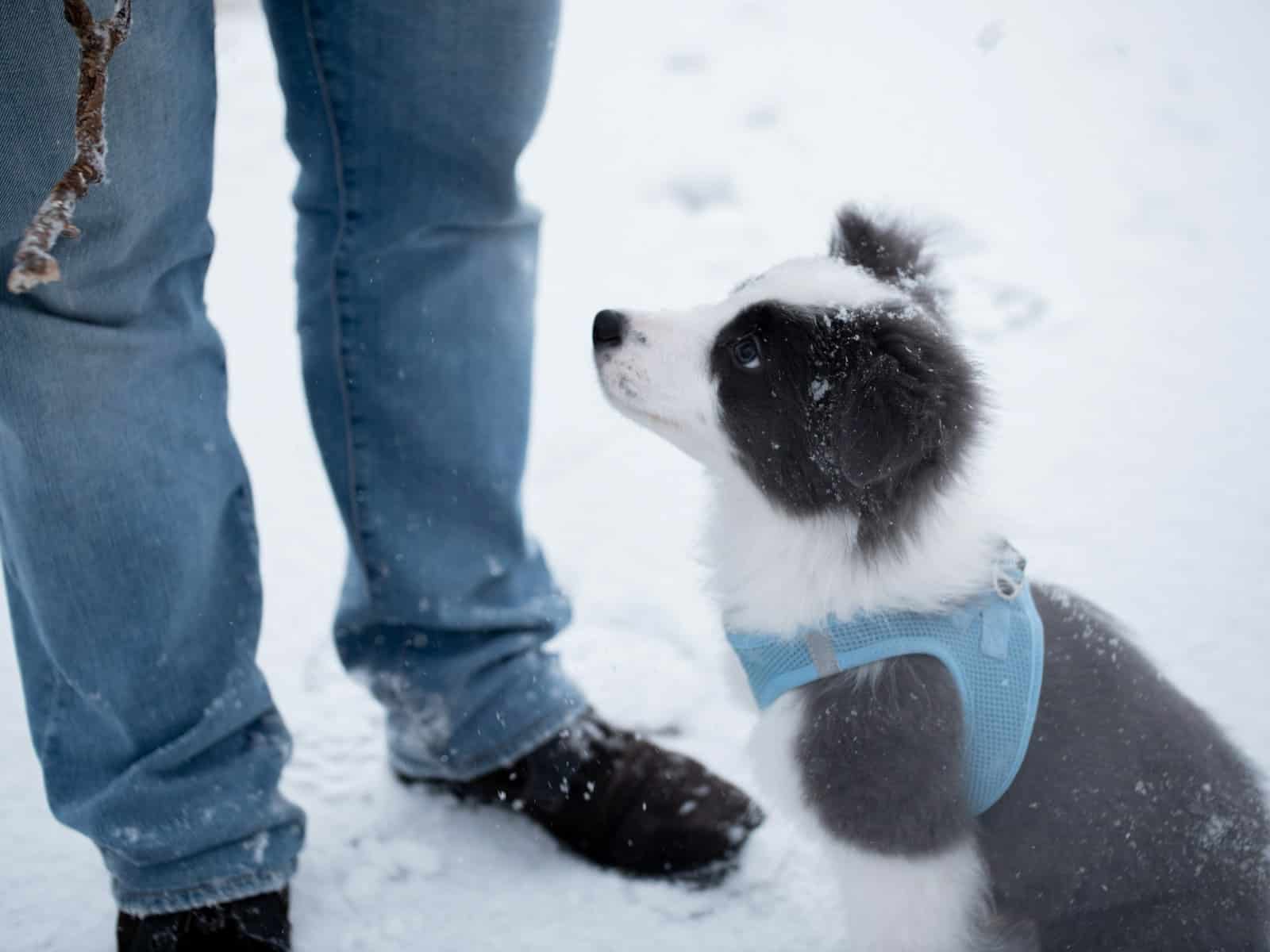
Photo by Ralph Darabos on Unsplash
Keeping Your Dog Safe, Active, and Happy All Winter Long
Winter challenges are normal, but they are manageable. By avoiding these common mistakes—like skipping walks, ignoring salt hazards, or using the wrong gear—you can navigate the season safely.
Remember, you do not have to brave the cold alone. Whether you need a daily walker to keep your dog’s weight in check during National Walk Your Pet Month or occasional help when the roads are bad, reliable support is available.
Ready to Winter-Proof Your Pet’s Routine With Trustworthy Care?
Schedule your free consultation and your free first walk now, stress free.