To see where we currently operate, please view our Service Area section.
Kate’s K9 Pet Care proudly provides dog walking, cat sitting, small animal pet care, pet taxi services, “Almost Overnight” pet care, and convenient pet supply delivery. To see where we currently operate, please visit our Service Area Page .
I often meet cat parents here in Lorton who are paralyzed by the thought of leaving town. Whether it’s a much-needed vacation or a sudden work trip, the question always looms: Who will take care of the cat?
For years, the default answer was boarding. You pack up your feline friend, endure a stressful car ride, and drop them off in a strange facility filled with unfamiliar smells and the barking of dogs. But there’s a reason why so many cats come home from kennels stressed, withdrawn, or even sick.
Cats are creatures of habit. They are deeply attached to their territory—their sunny window spots, their specific feeding times, and the quiet corners of your home. Disrupting that environment can be incredibly jarring for them.
That’s where professional cat sitting comes in. As the owner of Kate’s K9 Pet Care, a family-operated business serving Northern Virginia for over 15 years, I’ve seen firsthand the difference in-home care makes. When a cat stays home, they stay happy.
Book services online in just a couple minutes.
If you are weighing your options for your next trip, let’s explore why staying put is often the kindest choice for your feline family member, and how professional sitting in Lorton works.
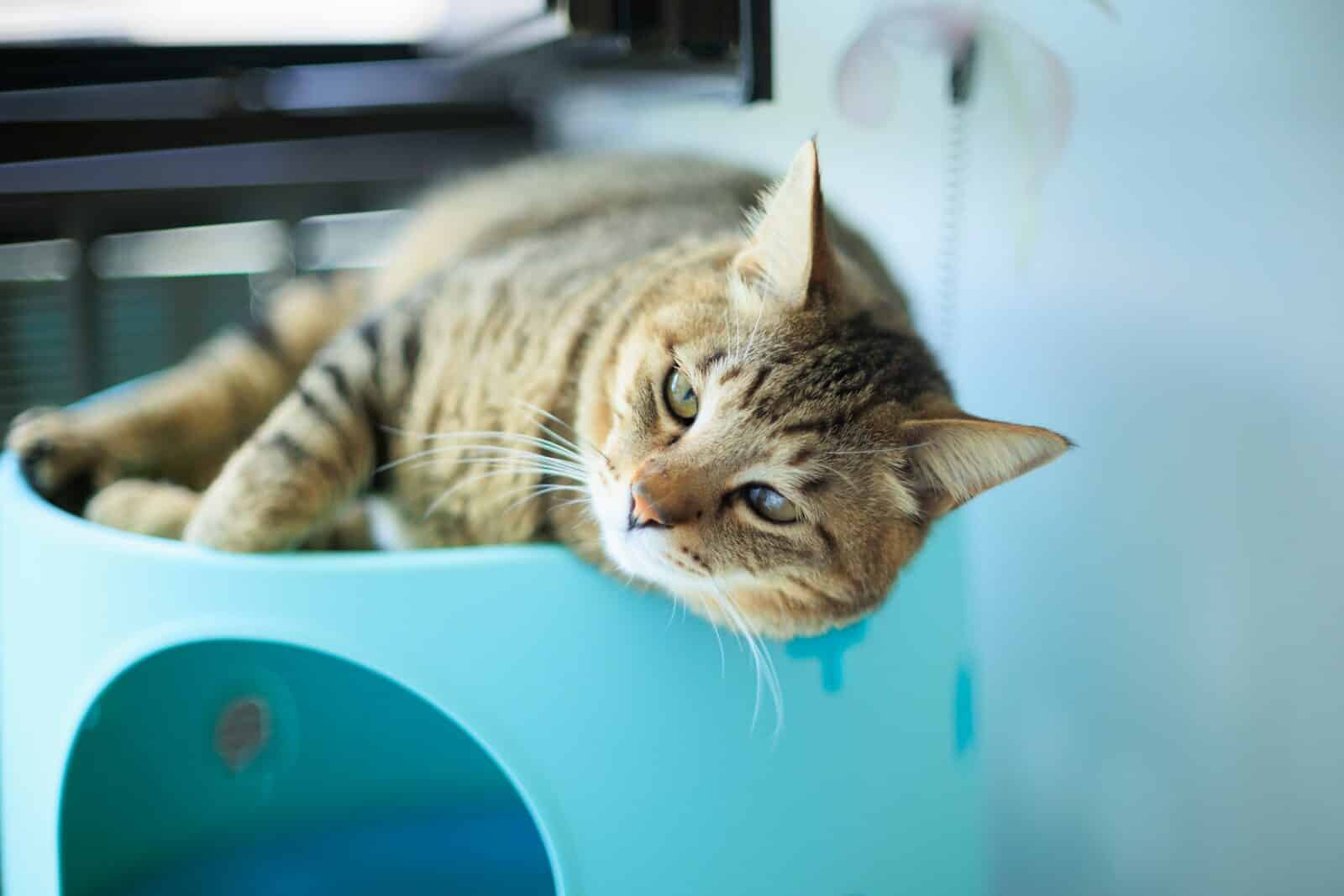
Why Cats Prefer Staying Home
To understand why boarding is so stressful for cats, we have to look at their biology. Unlike dogs, who often look to their humans for security, cats derive their sense of safety from their territory.
When you remove a cat from their home, you strip away their primary source of security. A boarding facility, no matter how luxurious, is an assault on a cat’s senses. There are foreign pheromones, the noise of other animals, and a complete lack of their own scent markers. This can trigger significant anxiety, which often manifests as a refusal to eat, aggressive behavior, or hiding for days on end.
The Power of Routine With Pet Care
Cats run on a tight internal clock. They know exactly when breakfast is served and when the afternoon sun hits the living room rug. Professional cat sitting preserves this routine.
When my team and I visit your home, we aren’t just there to scoop a litter box. We are there to maintain the rhythm of your cat’s life. We feed them from their own bowls at their usual times. We engage in play with their favorite wand toy. We let them sleep in their own bed. This consistency is crucial for keeping stress hormones low.
The 3-3-3 Rule for Cats
You may have heard of the “3-3-3 Rule” regarding adopting rescue animals, but it applies to any major environmental change for a cat, including boarding:
- 3 Days to Decompress: When moved to a new environment (like a kennel), a cat often spends the first three days in pure survival mode—hiding, not eating, and feeling terrified.
- 3 Weeks to Learn Routine: It takes about three weeks for a cat to start settling into a new flow.
- 3 Months to Feel Secure: True comfort takes months.
If you are only going away for a week, boarding your cat means they spend the entire duration of your trip in that terrifying “first 3 days” phase. By choosing in-home care, you bypass this trauma entirely. Your cat remains in the “secure” phase, happily awaiting your return.
For more on feline behavior and territory, Cat Behavior Associates offers excellent resources on why cats act the way they do.
What Professional Cat Sitting Includes
A common misconception is that cat sitting is just a neighbor popping in to dump some dry food in a bowl. Professional cat sitting is a comprehensive service designed to ensure your cat’s physical health and emotional well-being.
At Kate’s K9 Pet Care, we treat our cat visits with the same level of attention and detail as our dog walks. We know that cats can be subtle about illness or distress, so having a trained eye on them is vital.
Beyond the Basics Of Litter Box Cleaning
A standard visit includes the essentials: enough food and water, washing bowls, and scooping the litter box (because a clean box is essential for preventing inappropriate elimination). But the “care” part goes much deeper.
We provide enrichment. For active cats, this means laser pointer sessions or feather wand play to burn off energy. For shy or senior cats, it might mean quiet companionship—simply sitting on the floor near them so they don’t feel abandoned. We also administer medications, including insulin or pills, which is a major stressor for owners of special-needs cats.
Technology and Trust
We know you miss your pets when you’re gone. That’s why modern professional sitting includes connectivity. We use an online portal that allows for easy booking and—my clients’ favorite part—updates. After every single visit, you get a report card. This includes adorable photos of your cat, notes on their mood and appetite, and confirmation that everything in the home is secure.
We also handle those “extra” home tasks that give you peace of mind: bringing in the mail, watering plants, and rotating lights so the house looks occupied.
If you want to read more about what to expect from a professional sitter, Pet Sitters International has a great guide for pet parents.
Who Benefits Most from Cat Sitting
While I truly believe almost every cat is happier at home, certain households benefit immensely from this service.
1. The Busy Professional
Lorton is full of commuters heading into D.C. or Alexandria. If you work long hours or have to travel frequently for business, the guilt of leaving your cat alone can be heavy. Reliable daily visits and house sitting ensure your cat isn’t lonely and that their schedule isn’t disrupted by your late meetings.
2. Multi-Pet Households
If you have two cats, or perhaps a cat and a caged pet like a rabbit or hamster, boarding becomes exponentially expensive and logistically difficult. Keeping them all at home is not only cheaper but keeps the “pack” together, providing them with comfort in each other’s presence in their own room. (Did you know we offer small animal care starting at just $25?)
3. Senior and Special Needs Cats
Older cats often suffer from arthritis or cognitive decline. Moving them to a kennel can be physically painful and mentally disorienting. They need their gentle petting, orthopedic beds and familiar layout. Furthermore, cats with medical conditions need precise medication schedules that a professional is trained to handle.
4. Community Heroes
We have a special place in our hearts for those who serve our community. Teachers, first responders, active-duty military, and veterans often have unpredictable schedules. To say thank you, Kate’s K9 Pet Care offers a 10% discount to these community pillars.
For families with new kittens, establishing a routine is key. The Humane Society offers great advice on kitten care and socialization that pairs perfectly with in-home sitting.
Choosing the Right Care Provider
Inviting someone into your home to care for your beloved pet is a big decision. You need more than just a warm body; you need a professional. Here is what you should look for when hiring a cat sitter in Lorton.
Credentials Matter | Background Checked Pet Sitters
Never hesitate to ask for proof that a business is licensed, bonded, and insured. This protects you against accidents or theft. At Kate’s K9, we are fully insured and bonded, and every member of our team undergoes a rigorous background check. We are also members of the National Association of Professional Pet Sitters (NAPPS). You can verify the importance of hiring a pro through the NAPPS pet parent section.
Reviews and Reputation
In the pet care world, reputation is everything. Look for a long history of service. We have been operating for over 15 years, and we are proud of our 4.8-star rating across Google, Yelp, and Nextdoor. Reading testimonials gives you insight into how a sitter handles emergencies or difficult pets.
The “Vibe” Check
Always schedule a meet-and-greet. You want to see how the sitter interacts with your cat. Do they get down on the cat’s level? Do they ask questions about the litter box location, hiding spots, and vet information? A good sitter asks too many questions because they want to be prepared.
Questions to Ask a Potential Sitter:
- What is your contingency plan? If the primary sitter gets sick or has a flat tire, who takes care of my cat? (At Kate’s K9, we work as a team, so you are never left in the lurch.)
- How do you handle medical emergencies?
- Do you have experience with my specific breed or medical condition?
For more tips on vetting a reliable sitter, The Spruce Pets has a comprehensive checklist to help you interview candidates.
FAQ: Common Questions About Cat Sitting
How much is cat sitting usually?
Pricing for cat sitting can vary based on your location, the number of pets, and the duration of the visit. In the Northern Virginia area, professional rates generally reflect the cost of insurance, travel, and expertise. At Kate’s K9 Pet Care, our cat sitting visits start at $31.50. This isn’t just a fee for feeding; it’s a fee for professional oversight, home security checks, and peace of mind. We always recommend reaching out for a personalized quote to get the most accurate price for your specific needs.
How much should I pay a cat sitter for 3 days?
If you are looking for a standard 3-day trip coverage, you would typically calculate the daily rate multiplied by the number of visits you need per day. Most cats do best with at least one visit every 24 hours, though some clients prefer two (morning and evening) to mimic a feeding routine.
- Example: If you choose one visit per day for 3 days, you are looking at roughly $95 – $100 depending on specific add-ons.
Remember, paying a professional ensures that if your AC breaks or your cat gets sick, there is a responsible, insured adult handling the situation.
What is cat sitting?
Cat sitting is a service where a professional caregiver comes to your home to care for your cat while you are away. Unlike boarding, where the cat leaves the home, the sitter comes to them. Services typically include:
- Feeding and refreshing water.
- Scooping litter boxes.
- Playtime and affection.
- Administering medication.
- Home tasks like bringing in mail or watering plants.
- Providing updates to the owner.
Is there a 3-3-3 rule for cats?
Yes, though it is most commonly referenced in rescue situations, it applies to any environmental change.
- 3 Days: Decompression (often hiding/scared).
- 3 Weeks: Learning the routine.
- 3 Months: Feeling at home.
Because boarding restarts this clock every time you travel, it keeps your cat in a state of high stress. In-home sitting allows your cat to bypass the “3-3-3” struggle entirely because their environment never changes. You can read more about feline stress triggers at International Cat Care.
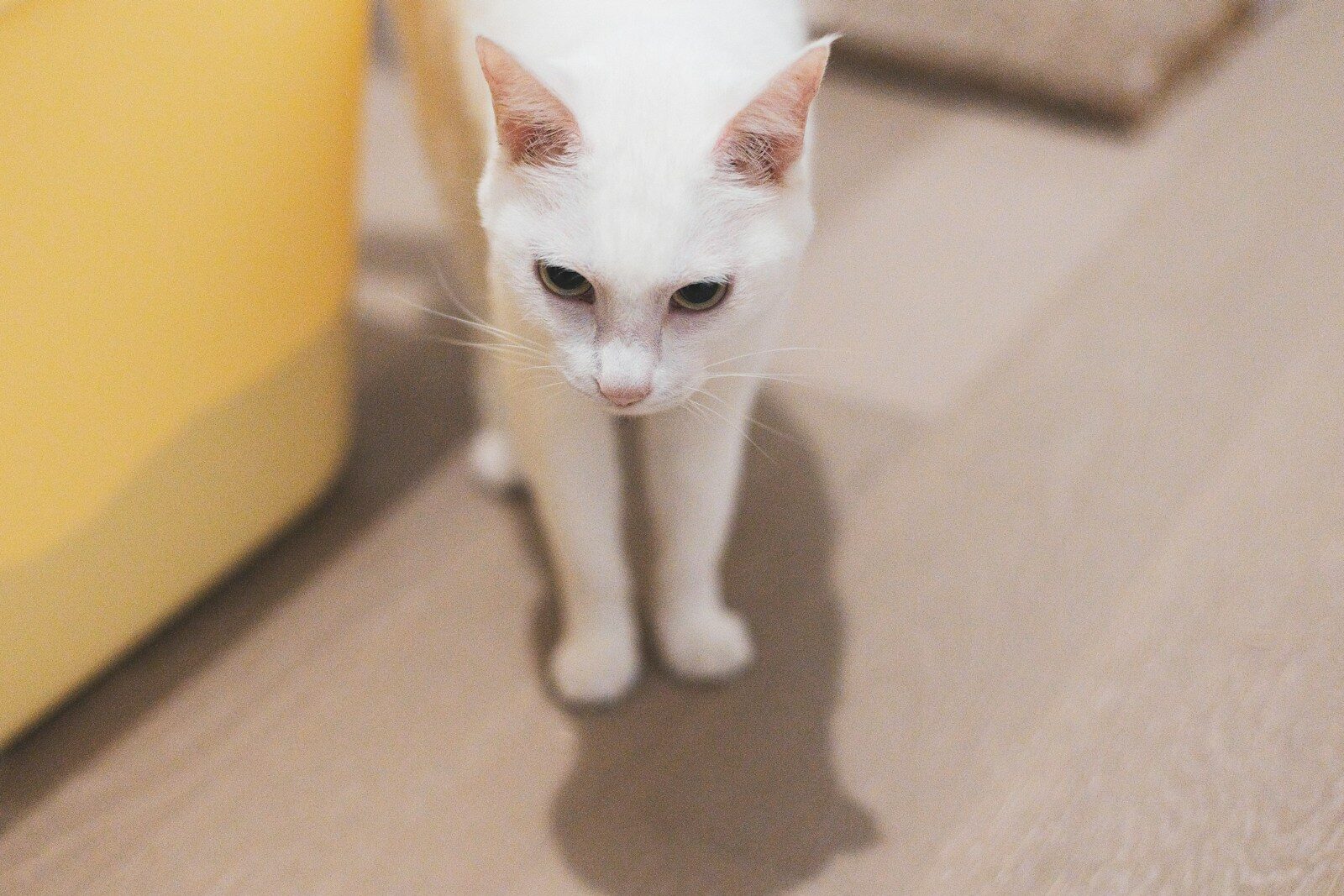
Peace of Mind Starts at Home With Your Feline Friend, With Our World Class Support
Leaving your cat doesn’t have to mean leaving them terrified in a cage. It doesn’t have to mean worrying if they are eating or if they are lonely.
By choosing in-home cat sitting, you are honoring your cat’s need for territory, routine, and comfort. You get to enjoy your vacation knowing that your feline friend is napping in their favorite sunbeam, eating from their own bowl, and getting personal attention from a trusted professional.
At Kate’s K9 Pet Care, we are more than just service providers; we are animal lovers who treat your pets as if they were our own. We serve Lorton, Alexandria, Arlington, Springfield, Fort Washington, and National Harbor with pride.
If you are ready to travel without the guilt, let’s chat.
Keep Your Pets Happy While You’re Away — Book Online Today.
Or, if you’re new to us, why not try us out risk-free? Schedule Your Free First Visit Now.
We can’t wait to meet your furry family members!