To see where we currently operate, please view our Service Area section.
Kate’s K9 Pet Care proudly provides dog walking, cat sitting, small animal pet care, pet taxi services, “Almost Overnight” pet care, and convenient pet supply delivery. To see where we currently operate, please visit our Service Area Page .
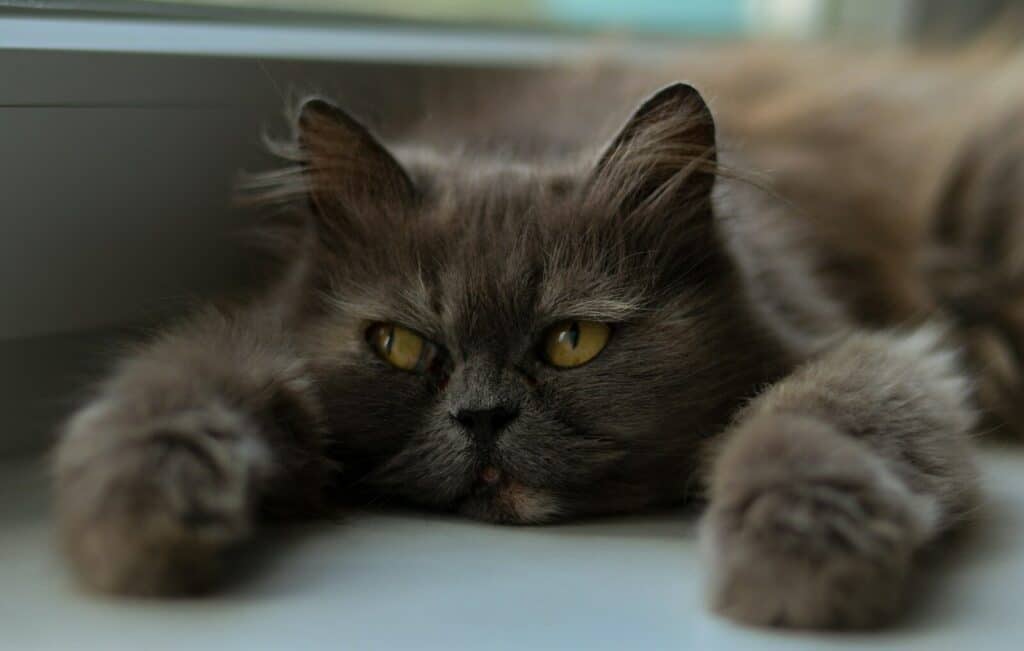
Cats are fascinating creatures, each with their own unique quirks. Some purr loud enough to rival a lawnmower; others “knead” your lap as if preparing dough for biscuits. And then there’s that curious habit of drooling—something you might notice when giving your furry friend a good scratch. But you might find yourself wondering, “Why does my cat drool when I pet him?”
While drooling during petting is often harmless, excessive salivation may also be a sign of health problems. This blog will explore why cats drool, when drooling might indicate an issue, and what steps you can take if your cat’s drooling becomes excessive.
Why Cats Drool When You Pet Them
Drooling isn’t just a dog thing—some cats drool too, and it can actually be a normal response to affection. When you pet your cat, you’re triggering a physiological response tied to their emotions and pleasure, similar to humans smiling when they’re happy.
Book services online in just a couple minutes.
Emotional Stimuli and Cat Drooling
Cats are highly sensitive creatures, and their emotions can often manifest in physical ways—drooling included. Emotional stimuli, such as excitement, relaxation, or anxiety, can trigger salivation in felines.
For instance, when cats feel particularly happy or comforted during petting, some may drool as a sign of their contentment. This behavior is often a remnant of kittenhood, where kneading and drooling accompanied nursing from their mother.
Nostalgia and Conditioning
Interestingly, some cat behavior experts believe drooling during petting is rooted in kitten behavior. When nursing, kittens can drool in response to suckling and feeding. For some adult cats, these feelings of contentment may translate to drooling even long after they’ve grown out of nursing.
Stress Response
On the other hand, drooling isn’t always linked to positive emotions. Certain cats may drool when they’re feeling overwhelmed, uneasy, or stressed—such as during a car ride or in response to loud noises. Drooling in these situations often accompanies other signs of distress, like hiding, excessive grooming, or poor appetite.
When to Worry About Drooling
While occasional or small amounts of drool aren’t typically a cause for concern, excessive cat drooling could indicate a more serious underlying issue.
Dental Problems in Cats
Drooling in cats can sometimes indicate underlying dental problems. Oral health issues such as gum disease, tooth decay, or mouth ulcers are common culprits behind excessive salivation. Cats suffering from dental pain may drool as they struggle to eat, or they may avoid eating altogether, leading to noticeable changes in appetite and behavior.
Tartar buildup or infections can irritate the gums, causing inflammation and discomfort, which in turn may result in them drooling excessively. Additionally, oral injuries, such as cuts or broken teeth, can provoke similar symptoms.
Regular dental check-ups and cleanings with your veterinarian are crucial for identifying and addressing these problems early, ensuring your cat maintains a comfortable and healthy mouth while avoiding dental disease. If you notice persistent or abnormal drooling, foul breath, or any signs of oral discomfort, consult your veterinarian promptly to rule out dental issues.
Foreign Bodies and Mouth Injuries
Your cat’s inquisitive nature can sometimes lead to trouble. A foreign object like a sewing needle, plant material, or even a piece of a toy can get lodged in their mouth, causing discomfort and drooling. Additionally, mouth injuries like ulcers or cuts from sharp objects can inflame the tissue and lead to saliva overproduction. Monitor for signs like pawing at their face or blood-tinged drool.
Poisonous Substances or Toxin Exposure
Exposure to toxins or poisonous substances may also result in excessive cat drooling. Cats are notorious for chewing on houseplants, but some plants (like lilies or poinsettias) can be harmful if ingested. Cleaning products, certain foods, and medications not meant for cats are also potential dangers. If you suspect toxin exposure, contact your veterinarian immediately.
Viral or Respiratory Conditions
Excessive drooling in cats can also be a symptom of viral or respiratory conditions. Common illnesses such as feline herpesvirus (FHV) or calicivirus can cause oral and nasal irritation, leading to increased salivation.
These infections often result in additional symptoms, including sneezing, nasal discharge, coughing, or even ulcers within the cat’s mouth or throat. Such symptoms can make swallowing uncomfortable and contribute to drooling.
Cats with respiratory conditions may also exhibit a loss of appetite, lethargy, and other signs of distress. Vaccination and regular health check-ups play a vital role in preventing these viruses. If your cat displays drooling alongside respiratory symptoms, seek veterinary care to determine the cause and pursue the appropriate treatment.
Mouth Tumors or Oral Cancer
Mouth tumors or oral cancer can also lead to excessive drooling in cats. These growths may develop on the gums, tongue, cheeks, or other areas of the oral cavity.
They can cause discomfort, inflammation, and difficulty swallowing, which often results in increased salivation. Other signs to be aware of include visible lumps in the mouth, foul breath, bleeding, or difficulty eating.
Malignant tumors, such as squamous cell carcinoma, are among the most common oral cancers in cats and require prompt diagnosis and treatment to improve outcomes. If you notice persistent drooling accompanied by any of these signs, consult your veterinarian immediately.
Early detection is critical in managing oral cancer and providing the best possible care for your cat. Regular oral exams and monitoring for changes in behavior or appetite can help in identifying potential problems early.
Nausea or Motion Sickness
Did you know cats can experience motion sickness? Factors like a car ride or feeling nauseous from an upset stomach can lead to drooling. Motion sickness is often accompanied by other signs, like vomiting, lethargy, or an unwillingness to eat.
How to Address Excessive Drooling
If your cat’s drooling seems out of the ordinary, it’s time to take action. While minor drooling during petting can usually be chalked up to happiness, you should consult a veterinarian if the drooling is excessive or accompanied by symptoms like pain, swelling, or difficulty breathing.
Schedule a Vet Visit
It’s always better to be safe than sorry. Schedule an appointment with your veterinarian to determine the underlying cause of your cat’s drooling. Your vet can check for dental issues, signs of injury, or other medical conditions that might require treatment.
Examine Their Environment
Take a close look at your cat’s surroundings for any potential hazards, such as toxic plants, sharp objects, or unsafe foods that they may have chewed on. Removing these risks can greatly reduce the chance of toxin exposure or injury.
Monitor for Other Signs
Keep an eye out for other symptoms such as poor appetite, weight loss, or difficulty breathing. These could provide clues about the underlying cause of the drooling and assist your vet in diagnosing the issue.
Maintain Regular Dental Care
Dental problems are a common cause of excessive drooling in cats, so prioritize their oral health. Regular dental cleanings, chewable treats that support teeth, and vet-approved dental rinses can go a long way in preventing issues like gum disease or tooth abscesses.
Provide Comfort During Stressful Situations
If drooling occurs in stressful situations, such as during a car ride, focus on calming your cat down. A comfortable carrier, soothing music, or using pheromone sprays can help ease their stress and reduce drooling.
Top Products and Brands for Managing Excessive Drooling in Cats
If your cat is experiencing excessive drooling, there are several products and brands available that can help address the underlying causes or manage the symptoms. Here are six top products and brands to consider:
Virbac C.E.T. Enzymatic Oral Hygiene ChewsThese dental chews are specifically designed to support your cat’s oral health by reducing plaque and tartar, which can contribute to excessive drooling. They are made with a unique formula that combines abrasives and enzymes to improve oral hygiene effectively.
Sentry Petrodex Dental Care Kit for Cats
This complete dental care kit includes a toothpaste, toothbrush, and finger brush, making it easier to maintain your cat’s oral hygiene. Regular brushing helps prevent oral problems that may lead to drooling.
A popular choice among cat owners, these treats are designed to clean teeth and freshen breath while providing nutritional value. They are an excellent option for preventing mouth issues that could cause increased salivation.
Excessive drooling can sometimes be linked to stress or anxiety. The Feliway Classic Diffuser emits calming pheromones that help reduce stress in cats, promoting relaxation and reducing stress-related behaviors, including drooling.
Hill’s Prescription Diet t/d Dental Care Cat Food
This veterinarian-recommended cat food supports oral health by reducing plaque build-up and promoting healthier gums. It’s a beneficial addition to your cat’s diet if drooling is related to dental problems.
PetSafe Drinkwell Cat Water Fountain
Keeping your cat hydrated is crucial, especially if excessive drooling leads to dehydration. This water fountain encourages cats to drink more by offering a consistent flow of filtered water, promoting their overall well-being.
Always consult your veterinarian before introducing any new products to ensure they are suitable for your cat’s specific needs and condition.

Kate’s K9 Pet Care provides cat pet care services that will make your cat want all the cuddles.
A Little Drool Goes a Long Way | Why Does My Cat Drool When I Pet Him
Understanding why your cat drools can help you determine whether it’s a sign of joy—or something more serious. Occasional drooling during petting is often a harmless expression of contentment, but excessive salivation warrants closer attention.
The key to keeping your cat healthy is early detection and taking appropriate action as needed. If you’re unsure, a trip to the vet can help rule out potential issues and ensure your feline friend is as happy and comfortable as possible.
Got a drooling cat at home? Share your experiences or questions in the comments below! Together, we can keep our whiskered companions purring—and drooling—for all the right reasons.