To see where we currently operate, please view our Service Area section.
Kate’s K9 Pet Care proudly provides dog walking, cat sitting, small animal pet care, pet taxi services, “Almost Overnight” pet care, and convenient pet supply delivery. To see where we currently operate, please visit our Service Area Page .
Winter Pet Care Starts With a Little Preparation
Winter in Arlington brings chilly temperatures, icy sidewalks, snow, and dry indoor air. As a family operated team that treats every pet like our own, I know that keeping our furry friends comfortable takes a bit of extra attention once the cold weather arrives.
At Kate’s K9 Pet Care, my team and I have spent more than 15 years helping busy Arlington pet parents keep their dogs, cats, and small animals safe and happy. Below, I’m sharing tips on how to care for a pet in the winter rely on most, plus a handy checklist you can save for the season.
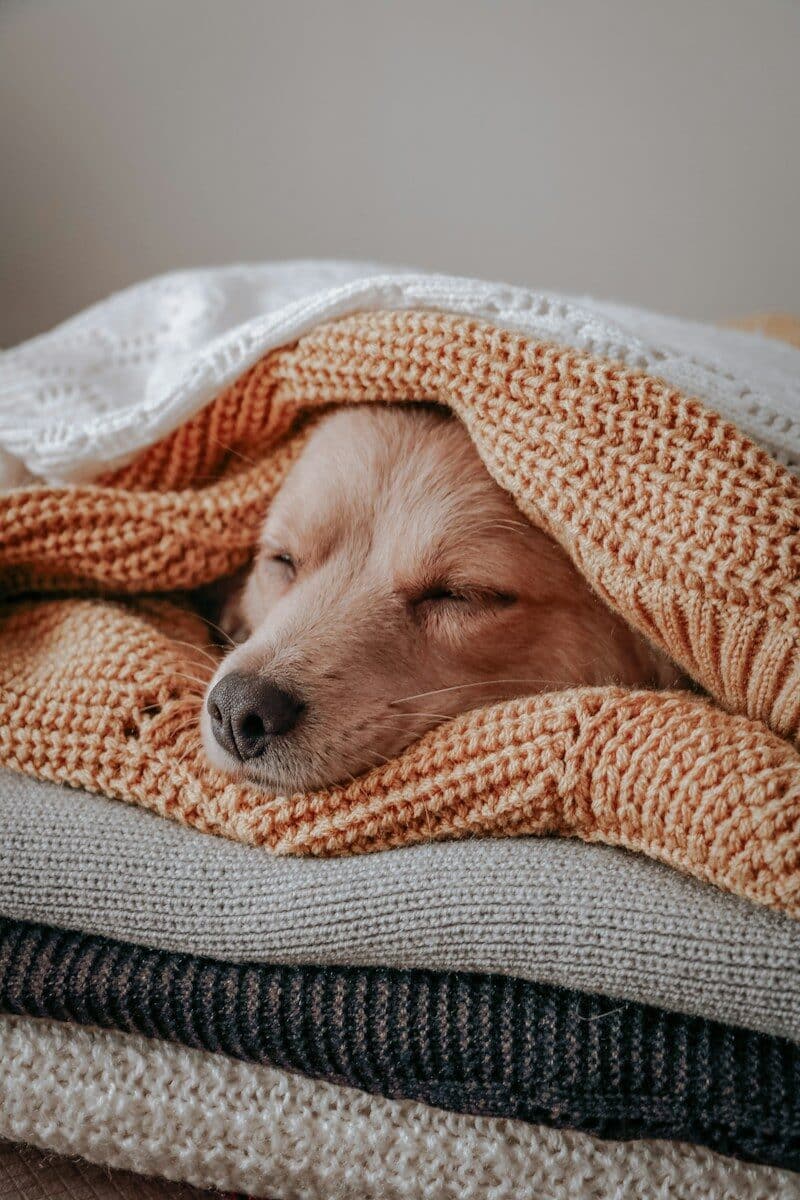
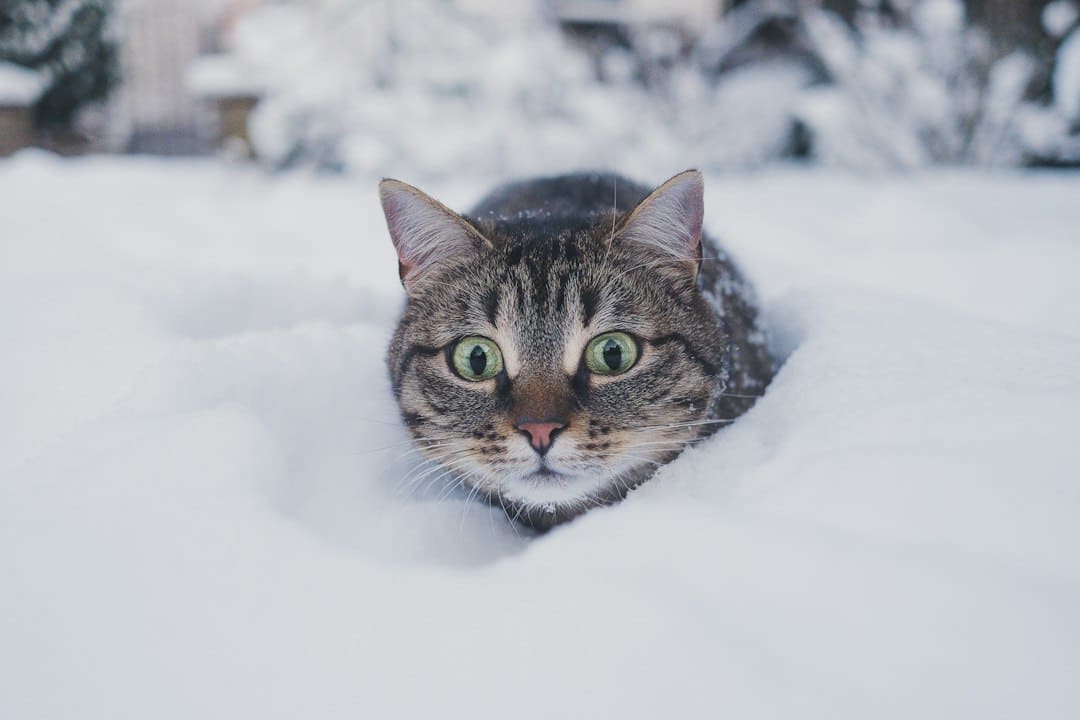
Photo by Sdf Rahbar on Unsplash
Know When Cold Weather Becomes Too Cold
Every pet handles the cold differently. Size, breed, coat type, age, and overall health all play a role. A short haired dog or an older pet usually needs more warmth than a thick coated youngster.
Book services online in just a couple minutes.
Watch for signs of cold stress, including shivering, weakness, anxiety, or trouble walking. Older pets are at a higher risk of cold related health concerns, and cold weather can even worsen arthritis and breathing problems. If any signs of cold stress appear, it’s time to head indoors.
Quick Winter Rule: If the weather feels dangerously cold to you, take extra precautions with your pet.
Protect Your Pet’s Paws From Winter Weather
Winter walks can expose your pet’s paws to ice, snow, salt, and chemical de-icers, causing irritation, dryness, and cracked paw pads. Dogs can also experience cold stress when temperatures fall below 7°C (45°F), while small or short coated pets may be especially vulnerable to hypothermia.
- Wipe and check your pet’s paws after every walk to remove salt, chemicals, ice, and snow.
- Use a pet safe paw balm regularly to help prevent cracks and dryness.
- Trim excess fur between paw pads to reduce ice buildup.
- Consider pet safe boots or other paw protection when appropriate.
- Avoid heavily salted sidewalks and areas treated with chemical de-icers.
- Avoid shaving your pet’s coat during winter, as their natural fur provides important insulation.
- Monitor your pet’s weight and adjust their diet based on activity levels. Some pets may need more food during the winter months, but their meals should always be high quality and well balanced.
- Check under your car’s hood before starting the engine, as outdoor cats and other small animals may seek warmth near the engine.
Kate’s K9 Tip: A quick paw check, warm resting space, and the right winter routine can make all the difference in keeping your furry friend comfortable and safe.
Even indoor pets feel the effects of cold air and cold floors. Keep them cozy and safe with these tips:
- Offer a warm, comfortable sleeping area.
- Keep beds away from drafts and chilly floors.
- Elevated beds help retain warmth.
- Provide soft beds and cozy blankets for comfort.
- Use a warm water bottle for extra warmth at night (but ensure it’s safely set up).
- Be cautious with space heaters and avoid leaving them unattended.
Keep Fresh Water Flowing
Cold weather doesn’t lower your pet’s need for hydration, even though pets may drink less during winter months. Dry indoor air can lead to dehydration, making hydration more important than ever.
- Ensure fresh water is always available.
- Avoid using water bowls that are too cold.
- Use lukewarm or slightly warm water to encourage drinking.
- Check and refill bowls regularly, especially if your pet’s bowl is outside and prone to freezing.
Adjust Winter Walks and Exercise
Most dogs still need regular exercise in the winter, but the cold calls for some adjustments.
- Keep walks shorter on extremely cold days.
- Limit outdoor time during freezing temperatures below 20°F (or 0°C for very small pets).
- Short haired dogs may need jackets to stay warm.
- Avoid walking on icy or slippery ground.
- Choose the warmest part of the day for outdoor activities.
- Add indoor games and enrichment when long walks aren’t practical.
Watch for Dry Skin and Chapped Paws
Cold air and indoor heating can lead to dry, flaky skin for pets. Regular care can keep your pet’s coat shiny and healthy.
- Brush regularly to prevent mats and tangles.
- Limit baths to once a month to maintain natural oils.
- Use a veterinarian recommended moisturizer or balm if needed.
If irritation worsens or lasts, consult your vet.
Give Extra Care to Older Pets
Older dogs and cats can feel the cold more sharply and are prone to cold related health issues, such as arthritis flare ups or respiratory difficulties.
- Provide soft and warm bedding in a draft free area.
- Ensure their sleeping area is elevated to avoid cold floors.
- Keep outdoor trips brief when temperatures drop.
- Monitor them for stiffness, weakness, or slow movement.
- Consult your vet about winter friendly medications or dietary adjustments.
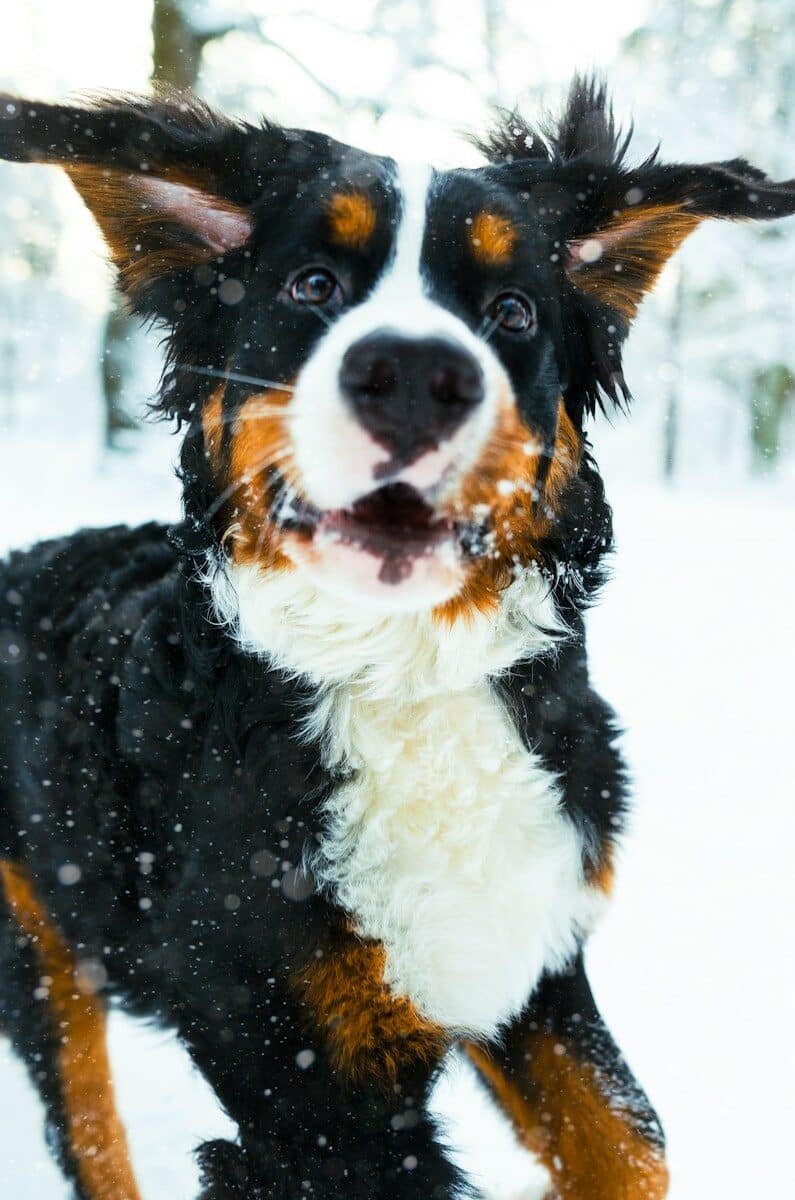
Photo by Anastasiia Tarasova on Unsplash
What About Large Dogs in Cold Weather?
Here’s a winter myth I love to bust: a big dog isn’t automatically built for chilly weather. While many dogs have thick coats or more body mass, every pet responds differently to cold. Breed, coat type, age, health, and activity level all matter.
What Are the Top 10 Biggest Dog Breeds?
Some of the largest breeds include:
- English Mastiff
- Great Dane
- Saint Bernard
- Newfoundland
- Irish Wolfhound
- Leonberger
- Tibetan Mastiff
- Neapolitan Mastiff
- Anatolian Shepherd
- Great Pyrenees
Even giant breeds need appropriate winter care. Pet owners should monitor their dog’s paws and pet’s feet after walks, especially around ice and treated sidewalks. Use lukewarm water to clean away salt and chemicals, and keep up with regular brushing to maintain a healthy coat.
For outdoor pets, provide fresh water and a warm shelter, and never leave pets outside during extreme weather. When temperatures drop, give your dog more time indoors and watch for signs of cold stress. If your dog spends extended time outside or shows unusual symptoms, contact your veterinarian for appropriate veterinary attention and preventive care.
Kate’s K9 Tip: Whether you have a tiny pup or a gentle giant, a warm shelter, fresh water, and plenty of time indoors can help keep your pet safe all winter.
Winter Care for Cats and Small Pets
Even small pets and cats need extra care. Frostbite can easily occur on ears, tails, or paws, and these pets should stay indoors as much as possible.
- Provide warm, draft free spaces for indoor cats or small animals like rabbits and hamsters.
- Ensure habitats remain dry and maintain steady indoor temperatures.
- Monitor daily behavior and appetite for any concerning changes.
Know the Signs Your Pet Needs a Vet
Winter hazards can escalate quickly if ignored. Watch for these signs and contact your vet if you notice:
- Persistent shivering, weakness, or lethargy.
- Pale, bluish extremities signaling frostbite.
- Signs of cold stress, like lack of appetite or reluctance to move.
- Difficulty breathing (which impacts older pets more).
When in doubt, act early to prevent complications.
Your Quick Arlington Winter Pet Care Checklist
Before going outside:
- Check your pet’s response to the temperature.
- Apply paw balm, trim fur, or secure boots to protect paws.
- Add jackets for short haired or cold sensitive pets.
After a walk:
- Wipe your pet’s paws to remove salt or de-icers.
- Check for signs of cracking or redness on paw pads.
- Refill fresh water immediately.
Around the house:
- Keep soft beds and blankets accessible in warm areas.
- Avoid exposing your pets to toxic antifreeze or chemicals.
- Maintain a feeding routine, monitoring activity and energy needs.
How We Can Help This Winter
Life gets hectic, especially in the winter months. That’s why my team is here to keep your pets safe, healthy, and loved.
Whether you need dog walking, overnight care, or a trusted companion for your indoor realms, we make sure your furry friends thrive all season long. Rest assured, our licensed and bonded team delivers unparalleled care with regular progress updates and photos.
And to our amazing community heroes teachers, first responders, active-duty military, and Veterans we offer a 10% discount on all services.
Because keeping your pets happy brings peace of mind!
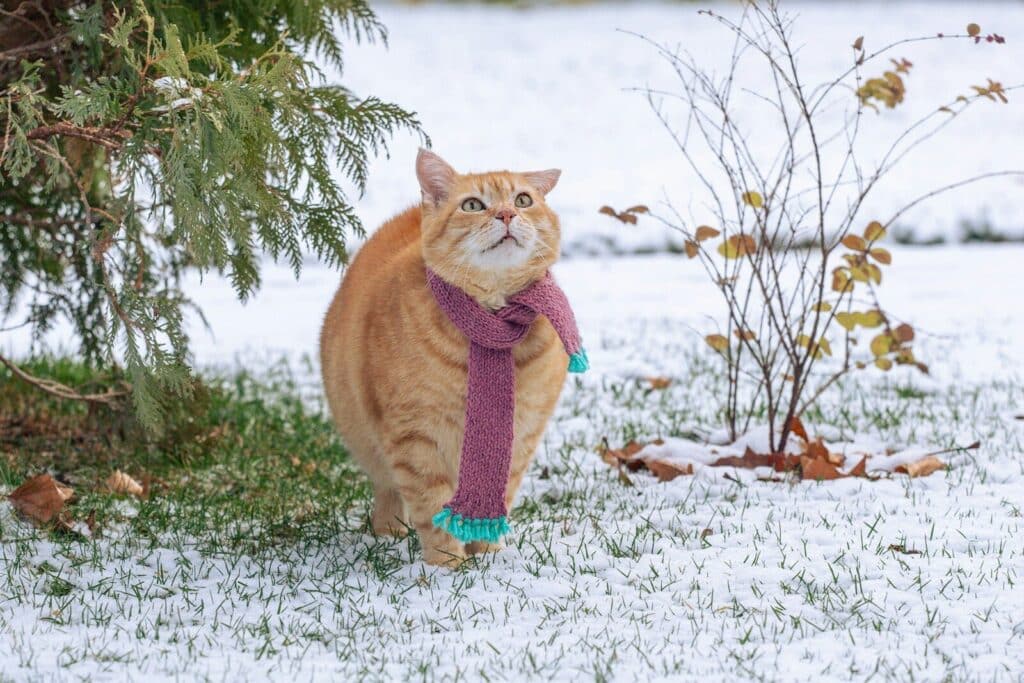
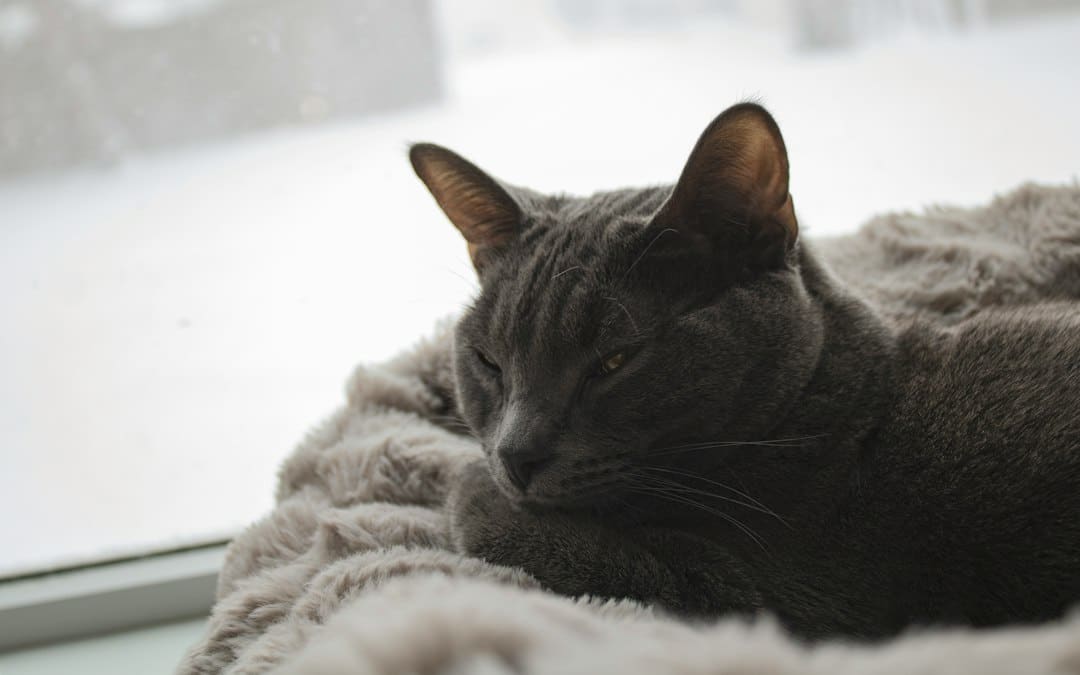
Photo by Tatyana Rubleva on Unsplash
Let’s Make This Winter Warm and Worry Free
Cold weather doesn’t have to disrupt your pet’s health, warmth, or routine. Small changes like prioritizing fresh water, providing comfy sleeping spaces, and tailoring outdoor activities can make all the difference for your furry friends.