To see where we currently operate, please view our Service Area section.
Kate’s K9 Pet Care proudly provides dog walking, cat sitting, small animal pet care, pet taxi services, “Almost Overnight” pet care, and convenient pet supply delivery. To see where we currently operate, please visit our Service Area Page .
Most cats do best with cat sitting because it keeps them in their own home, surrounded by familiar smells, routines, and comforts. Cat boarding can suit very social cats or those needing round-the-clock medical supervision, but it usually adds more stress. The right choice depends on your cat’s age, health, and personality.
One of the biggest worries I hear from cat owners before a trip is a simple question with no simple answer: should you hire a cat sitter or send your cat to a boarding facility? Both options can work, but they aren’t the same experience for your feline companion.
Every cat has a personality all its own. Some are curious and social, others are shy and set in their ways. That’s why the best care decision starts with understanding your individual cat, not just comparing prices or convenience.
In this guide, I’ll break down the differences between cat sitting and cat boarding honestly, so you can make the right call. At Kate’s K9 Pet Care, I’ve spent more than 15 years caring for cats throughout Northern Virginia, and I’ve seen firsthand how much routine matters to a cat’s comfort and wellbeing.
Book services online in just a couple minutes.
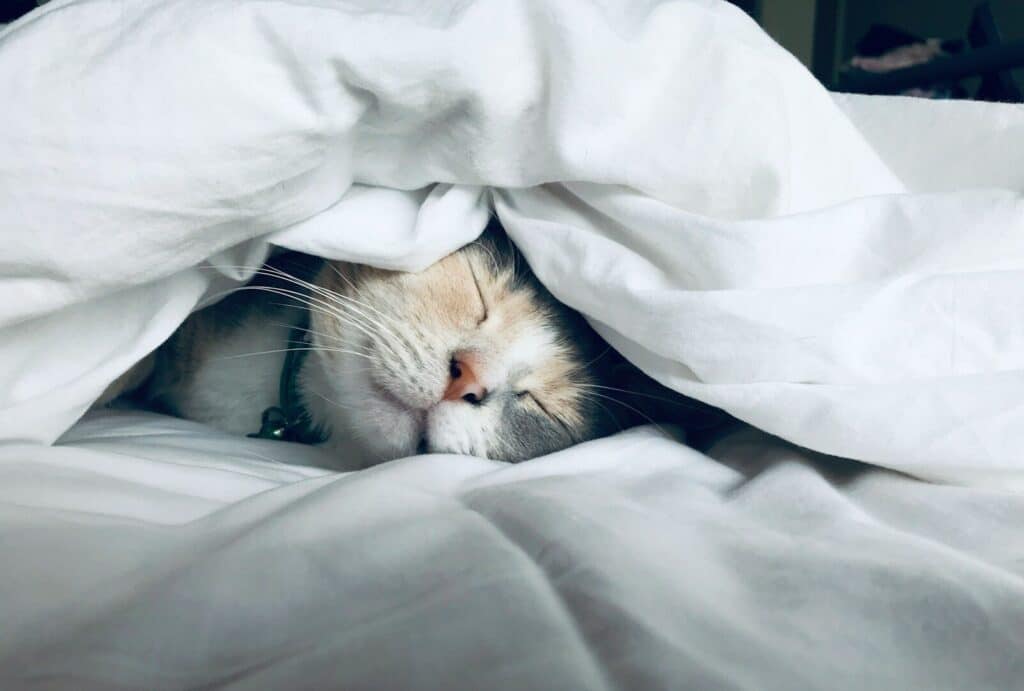
Photo by Kate Stone Matheson on Unsplash
What Is Cat Sitting?
Cat sitting is professional, in-home care. A trusted pet sitter and cat lover (of course) comes to your house to look after your cat while you’re away, keeping their daily life as normal as possible.
During each visit, a professional cat sitter will:
- Provide fresh food and clean water
- Scoop and clean litter boxes
- Offer playtime and affection based on your cat’s personality
- Administer medication when appropriate
- Perform a daily wellness check
- Send photos or pictures, updates, and visit notes
Many cat owners schedule multiple visits per day when their cat needs extra attention, medication on a set schedule, or simply more company. The biggest advantage is personalized attention. Your cat gets one-on-one care in the environment they know best, and you get peace of mind through regular updates.
What Is Cat Boarding?
Cat boarding means your cat stays at a facility until you return home. Trained staff handle feeding, litter care, and basic supervision throughout the stay.
Boarding facilities vary widely. Some offer spacious suites, enrichment activities, and attentive staff, while others provide more basic accommodations while families are on vacation. A few things stay consistent across most facilities:
- Your cat lives away from home for the entire trip
- Feeding and care follow the facility’s schedule
- You’ll need to transport your cat there and back
- Supervision levels and amenities depend on the facility
Boarding isn’t a bad option for every cat. Still, it’s worth understanding how it compares to keeping your cat in familiar surroundings.
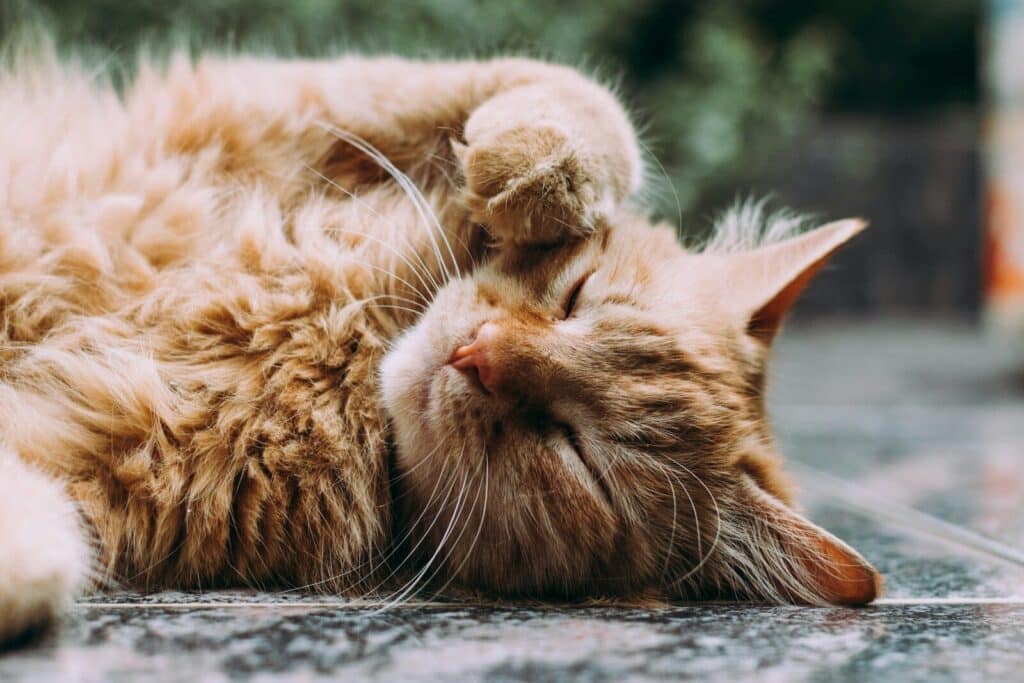
Photo by Ludemeula Fernandes on Unsplash
Cat Sitting vs. Cat Boarding: Comparison Chart For Pet Owners
| Feature | Cat Sitting | Cat Boarding |
|---|---|---|
| Familiar environment | ✔ Yes | ✘ No |
| Familiar smells | ✔ | ✘ |
| Daily routine | ✔ Maintained | Changes |
| Feeding schedule | Flexible | Facility schedule |
| Medication | Personalized | Depends on facility |
| Litter box routine | Same litter box | Different environment |
| Transportation required | No | Yes |
| Contact with unfamiliar animals | None | Possible |
| Stress level | Usually lower | Often higher |
| Multiple-cat households | Excellent | Cats separated |
| Senior cats | Excellent | Depends |
| Shy or anxious cats | Excellent | Can be stressful |
| Medical monitoring | Personalized | Varies |
| Daily updates | ✔ Yes | Varies |
Why Cats Usually Prefer Staying at Home
Cats are creatures of territory. They form strong attachments to their space, and much of their sense of safety comes from the scents, sounds, and routines they know. Take that away, and even a confident cat can feel unsettled.
When your cat stays home, everything familiar stays put:
- Their own bed and favorite sleeping spots
- The scratching post they’ve claimed as theirs
- Sunny windows for afternoon naps
- Their toys and the corners they patrol every day
Familiar scents are especially powerful. They tell your cat that this is their safe place, which lowers anxiety while you’re gone. Daily routines stay steady, too—meals arrive around the usual time, and the litter box stays in its usual spot. In-home care simply causes less disruption, which is why so many cats relax more comfortably at home than in a boarding facility.
For more on creating a cat-friendly home, the Feline Veterinary Medical Association (formerly the American Association of Feline Practitioners) offers excellent guidance rooted in feline medicine.
Comparing the Biggest Differences Between Cat Sitting and Cat Boarding
Familiar Environment With Home Care
Home means comfort. The scents your cat has marked, their favorite sleeping spots, and their own territory all work together to keep anxiety low. A boarding facility, by contrast, is full of unfamiliar smells and sounds that can put a cat on edge.
Changes in Routine
Cats thrive on predictability. In-home care keeps feeding times, sleep schedules, playtime, and daily interaction close to normal. Boarding shifts your cat onto the facility’s timeline, which can feel jarring for a pet used to running the household on its own clock.
Stress Levels
Travel to a new place, strange sounds, unfamiliar people, and nearby animals can all raise a cat’s stress. Many cats simply settle better at home, where nothing about their surroundings has changed except that you’re not there.
Feeding Schedules
Diet matters, especially for cats on prescription food or wet food that can’t sit out. A cat sitter can follow timed meals, honor treat routines, and stick to a special diet exactly as you instruct. In a facility, feeding often follows a set group schedule.
Litter Box Routine
Keeping litter boxes clean isn’t just about tidiness. Daily scooping lets a sitter monitor your cat’s bathroom habits, which is one of the earliest ways to catch signs of illness. Staying home means your cat keeps using the same box in the same familiar spot.
Medication
Some cats need pills, liquids, insulin injections, or topical treatments. Before hiring any sitter, confirm they have real experience giving medication. A skilled sitter can handle daily doses in your cat’s calm home environment, which often makes the whole process easier.
Individual Attention
With cat sitting, your cat gets one-on-one time: focused playtime, gentle brushing, grooming, and cuddles from someone paying attention only to them. At a boarding facility, staff attention is shared among many animals and shaped by the facility’s schedule.
Interaction With Unfamiliar Animals
Most cats don’t enjoy the company of strange animals. Boarding can expose them to unfamiliar scents and nearby pets, even when cats are housed separately. Home visits avoid that stress entirely.
Transportation
Getting to a facility usually means a carrier and a car ride, and plenty of cats find both stressful. Motion sickness and travel anxiety are common. Cat sitting removes the trip altogether.
Multiple-Cat Households
When you have more than one cat, keeping them together at home has real advantages. The established hierarchy stays intact, shared routines continue, and there’s less chance of conflict than in a new setting where cats may be separated.
Senior Cats
Older cats often deal with arthritis, reduced mobility, or vision loss. Familiar sleeping locations and a layout they know by heart help them stay comfortable and safe. In-home care lets seniors keep the setup that already works for them.
Cats With Medical Needs
Conditions like diabetes, hyperthyroidism, and kidney disease call for consistent daily medication and close monitoring. In-home care allows a sitter to track appetite, water intake, and behavior in the environment where your cat feels most at ease.
When Cat Sitting May Be Better
Cat sitting tends to be the stronger choice for cats who value stability. Consider in-home care if your cat is:
- Shy or slow to warm up to new people
- A senior with mobility or comfort needs
- Indoor-only and unused to new environments
- Prone to travel anxiety or motion sickness
- Deeply attached to daily routines
- Part of a multi-cat household
- Managing a medical condition
- Set in long-established habits
When Cat Boarding May Make Sense
Boarding isn’t the wrong answer for everyone. It may be worth considering when you need care at the sitter’s home or facility:
- Your cat needs extensive, round-the-clock medical supervision a facility is equipped to provide
- You’ve found a specialized facility with strong feline-specific care
- Your cat is very social and adapts easily to new settings
- You prefer boarding for personal reasons
- Travel comes up last-minute and no in-home option is available
The key is matching the setting to your cat’s temperament and health needs.
Is Cat Sitting Better for Anxious Cats?
For anxious cats, familiarity is everything. Staying home with a new sitter means keeping the smells, surroundings, favorite furniture, and predictable schedule that help a nervous cat feel secure. Fewer disruptions usually mean less stress.
Maintaining routines is one of the most effective ways to help an anxious cat cope while you’re away. When mealtimes, litter care, and quiet company stay consistent, your cat has less to adjust to.
For deeper insight into feline behavior and welfare, International Cat Care is a trusted, expert-led resource.
How Often Should a Cat Sitter Visit?
There’s no single right answer. Visit frequency depends on your cat’s individual needs, including:
- Age
- Health and medical conditions
- Medication schedule
- Personality
- Feeding routine
- Whether you have multiple cats
- Whether you have kittens or senior cats
At a minimum, daily visits ensure fresh food, clean water, and a clean litter box. Kittens and senior cats often benefit from more frequent visits, and some cats do best with multiple visits each day for extra company, medication timing, or closer monitoring.
What Does a Professional Cat Sitter Actually Do?
A good cat sitter does far more than refill a food bowl. Here’s a typical checklist for an in-home visit:
- Feed scheduled meals
- Provide fresh water
- Scoop litter boxes
- Clean up any accidents
- Administer medication when needed
- Engage in playtime
- Offer grooming and brushing
- Give affection and companionship
- Observe your cat for anything unusual
- Bring in mail or packages (if requested)
- Rotate lights for a lived-in look
- Perform basic home security checks
After each visit, you should receive a detailed update. At Kate’s K9 Pet Care, our daily updates include:
- Photos
- Behavior notes
- Appetite
- Water intake
- Bathroom habits
- Overall health
- Any unusual observations
Tips for Preparing Your Cat Before Leaving
A little preparation goes a long way toward a smooth trip. Before you leave, run through this checklist:
- Remove any toxic plants from your cat’s reach
- Secure potential escape routes
- Leave plenty of food and extra litter
- Set out cleaning supplies
- Provide emergency veterinarian information
- Write out clear care instructions
- Note the feeding schedule
- Detail medication instructions
- Set out favorite toys
- Schedule a meet-and-greet before the first visit
- Give your sitter a backup emergency contact
- Discuss a transportation plan in case vet care becomes necessary
Not sure which of your houseplants are safe? The ASPCA Toxic and Non-Toxic Plants database lets you check specific plants and includes a 24-hour poison control hotline.
How to Choose the Right Cat Sitter
Trusting someone with your cat and your home is a big deal. Look for a sitter or company that is:
- Licensed
- Bonded
- Insured
- Experienced specifically with cats
- Comfortable administering medication
- Skilled at reading cat body language
- Well-reviewed by other pet owners
- Willing to do a meet-and-greet
- Clear and consistent in communication
- Reliable with daily updates
- Prepared with backup plans
Before you commit, ask whether the sitter provides photos, visit reports, behavior notes, and a clear line of emergency communication. These details separate a truly professional service from a casual one.
For standards on professional pet sitting, Pet Sitters International has set industry benchmarks since 1994 and has supported more than 40,000 pet-care professionals for both cats and dogs.
Why So Many Lorton, Virginia Cat Owners Choose Kate’s K9 Pet Care As Their Trusted Sitters
Cat owners across Lorton and the wider Northern Virginia area trust Kate’s K9 Pet Care because we treat every cat like family. Here’s what sets us apart:
- 15+ years of trusted experience
- Fully licensed, bonded, and insured
- Family-operated with a personal touch
- Personalized, one-on-one care
- Easy online booking
- Flexible scheduling
- Daily updates and photos after every visit
- Confident medication support
- Overnight care options
- Small pet care available
- Community discounts for first responders, teachers, active-duty military, and veterans
We proudly serve cat owners in Lorton, Alexandria, Springfield, Arlington, and surrounding Northern Virginia communities. New clients can even try us out with a free first walk.
Book Your Pet’s Next Adventure Today.
Frequently Asked Questions
How much does a pet sitter charge per hour?
Sitters own rates can vary based on your location, the length of each visit, the number of cats, medication needs, holiday scheduling, and any additional services like mail pickup or overnight stays. Rather than focusing on an hourly figure alone, it’s best to request a personalized quote so the price reflects your cat’s actual care needs.
What is the 3-3-3 rule for cats?
The 3-3-3 rule is a common guideline for how cats adjust to a major change, most often a new home:
- First 3 days: Your cat may feel overwhelmed and hide as they take in new surroundings.
- First 3 weeks: They begin settling into routines and showing more personality.
- First 3 months: They build trust and start feeling fully at home.
Keep in mind that every cat adjusts at its own pace, and this timeline is a general guide rather than a strict rule. You can learn more about cat care and behavior from Humane World for Animals.
How do I say “I love you” in cat?
Cats communicate love through subtle signals, and you can return the sentiment in ways they understand:
- Offer a slow blink from across the room
- Engage in gentle, positive play
- Respect their boundaries and space
- Keep routines consistent and predictable
- Provide a safe, enriching environment
For research-backed insight into feline behavior, the Cornell Feline Health Center is an excellent resource.
Do cats feel love when you cuddle them?
Many cats form strong, affectionate bonds with their people, but how they express and receive affection varies by individual. Some cats love to cuddle, while others prefer sitting nearby or bonding through play. Neither style means your cat loves you any less. For more on the human-animal bond, the American Veterinary Medical Association offers helpful information.
Making the Right Choice for Your Cat
Both cat sitting and cat boarding can be appropriate, and the best option truly depends on your individual cat. That said, most cats thrive when their routine stays steady, their surroundings stay familiar, and their care is personalized to them with loving hands. For a large majority of cats—especially shy, senior, anxious, or medically fragile ones—in-home cat sitting delivers exactly that.
Choosing a trusted, experienced professional gives you something just as valuable as your cat’s comfort and well being: real peace of mind while you’re away.
If you live in Lorton or a nearby Northern Virginia community, I’d love to show you how personalized kitty sitting can make your next trip stress-free for both you and your cat.
Schedule Your Free First Walk Now. Its Super Easy— Peace of Mind Starts Here.