
To see where we currently operate, please view our Service Area section.
Kate’s K9 Pet Care proudly provides dog walking, cat sitting, small animal pet care, pet taxi services, “Almost Overnight” pet care, and convenient pet supply delivery. To see where we currently operate, please visit our Service Area Page .
Good pet care means meeting your pet’s physical, emotional, behavioral, and medical needs every single day. That includes fresh food and water, daily exercise, mental enrichment, grooming, preventive vet visits, and a safe home. When work and travel get in the way, professional support like dog walking and pet sitting keeps your pet’s routine steady and stress-free.
I’m the owner of Kate’s K9 Pet Care, and for more than 15 years my team has cared for dogs, cats, and small animals across Mount Vernon and the surrounding Virginia and Maryland communities. In that time, I’ve learned that great pet care is about far more than a full food bowl and a quick walk around the block.
Modern families juggle a lot. Long commutes, hybrid work schedules, school pickups, and travel all pull you away from home—and your pets feel it. Yet pets thrive on consistency, attention, and structured care. That’s the tension this guide is built to solve.
Below, you’ll find a complete roadmap to caring for your pet, from daily routines and nutrition to senior care, seasonal safety, and emergency planning. I’ve folded in professional tips gathered over 15 years of hands-on work, plus trusted resources from leading animal health organizations. Whether you have a bouncy new puppy or a gray-muzzled senior cat, this is your go-to reference for pet care that keeps tails wagging.
Book services online in just a couple minutes.
What Is Pet Care?
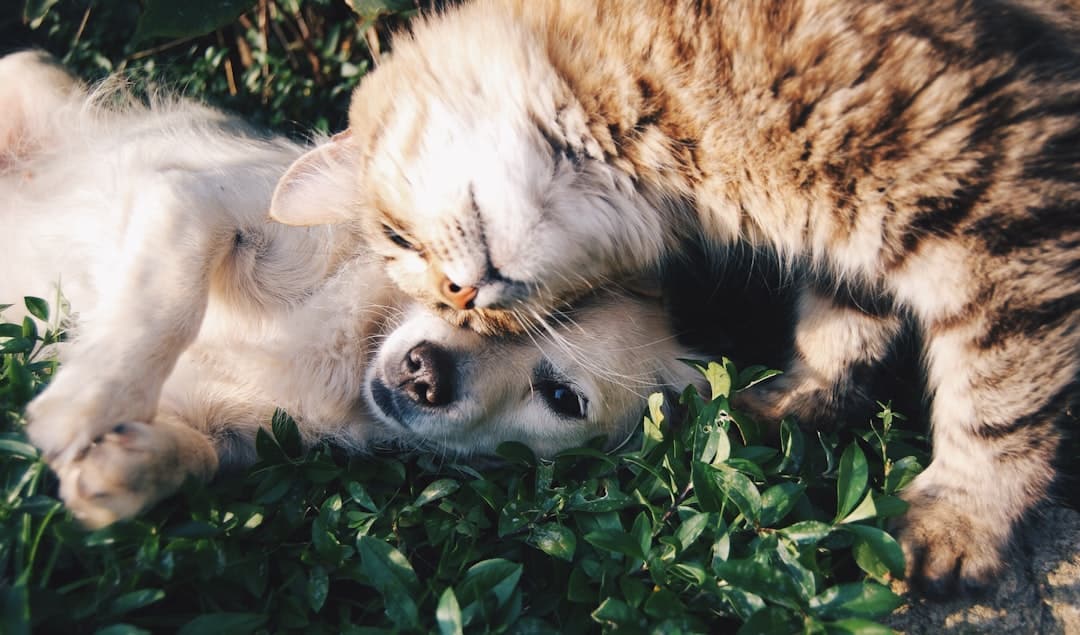
What Is the Meaning of Pet Care?
Pet care is the ongoing practice of meeting all of a companion animal’s needs so it can live a healthy, safe, and happy life. It covers four core areas: physical (food, water, exercise, grooming), emotional (companionship, comfort, reduced stress), behavioral (training, socialization, enrichment), and medical (vaccinations, checkups, parasite prevention).
Every pet has different care requirements. A high-energy Labrador needs hours of daily activity, while a senior cat needs gentle handling and easy access to food and litter. Dogs, cats, rabbits, guinea pigs, and hamsters each come with their own rules for diet, housing, and handling. Good pet care starts with understanding what your specific animal actually needs, then building habits around it.
Why Good Pet Care Matters

The Benefits of Proper Pet Care
Consistent, thoughtful care pays off in ways you can see and feel:
- Longer lifespan: Preventive vet care, proper nutrition, and regular exercise help pets live longer, healthier lives.
- Better behavior: A tired, mentally stimulated pet is far less likely to chew furniture, bark excessively, or act out.
- Reduced anxiety: Predictable routines lower stress for both pets and people.
- A stronger bond: Time spent walking, playing, and grooming deepens the connection between you and your pet.
- Better overall health: Early detection of problems keeps small issues from becoming big ones.
- A happier home: A well-cared-for pet is a calmer, more content companion.
The benefits run both ways. According to a 2023 Morning Consult poll cited by the National Institutes of Health, 86% of pet owners—dog and cat owners alike—reported that their pets have a positive effect on their mental health. UC Davis Health notes that dogs specifically help reduce stress, anxiety, and depression while encouraging exercise. Caring well for your pet quite literally improves your life, too.
What Does Good Pet Care Look Like Every Day?
Consistency is the backbone of pet care. Here’s a simple morning, afternoon, and evening routine you can adapt to your household.
Morning Routine
- Refill the water bowl with clean, fresh water.
- Serve the morning meal at the same time each day.
- Head outside for a bathroom break.
- Fit in some exercise—a walk or active play.
- Give any needed medication.
- Do a quick health check: eyes bright, appetite normal, energy good.
Afternoon Routine
- Offer a midday potty break, especially for puppies and seniors.
- Take a walk to burn energy and provide sniff time.
- Add some mental stimulation with a puzzle or training game.
- Squeeze in a few minutes of playtime.
- Refresh the water bowl.
For many families, the afternoon is the hardest slot to cover. This is exactly where a professional dog walker earns their keep—breaking up a long workday with a walk, a potty break, and a little companionship.
Evening Routine
- Serve dinner on schedule.
- Spend quality family time together.
- Brush your pet or do quick grooming touch-ups.
- Offer a final bathroom break before bed.
- Wind down with calm, low-key relaxation.
- Follow a consistent bedtime routine.
Feeding and Nutrition
Choosing High-Quality Food
Food is the foundation of your pet’s health. Choose a diet designed for your pet’s specific life stage:
- Puppies and kittens (growth formulas)
- Adult dogs and cats (maintenance formulas)
- Seniors (age-appropriate, often lower-calorie formulas)
Match the food to your pet’s breed size and activity level. A working breed and a lap dog have very different caloric needs, even at the same weight.
Important Nutritional Considerations
A few facts every pet parent should know:
- Cats require taurine, an amino acid essential to heart and eye health. Never feed a cat dog food long-term—it lacks the taurine cats need.
- Guinea pigs require daily Vitamin C, since their bodies can’t produce it. A deficiency can cause serious illness.
- Portion control matters. Follow feeding guidelines and adjust based on your pet’s weight and activity.
- Choose healthy treats and keep them to about 10% of daily calories.
- Read ingredient labels. Look for a named protein source at the top and avoid unnecessary fillers.
When in doubt, the American Veterinary Medical Association offers reliable, vet-reviewed guidance on pet nutrition and wellness.
Fresh Water and Hydration
Why Hydration Is Critical
Water supports digestion, temperature regulation, and organ function. Dehydration can quickly become dangerous, especially in warm Virginia summers.
- Keep clean water available 24/7.
- Set up multiple water stations around the home, particularly in multi-level houses.
- Wash bowls daily to prevent bacteria and slime buildup.
- Monitor water intake. A sudden increase or drop can signal a health problem worth mentioning to your vet.

Photo by Artur Stanulevich on Unsplash
Daily Exercise for Healthy Pets
Dogs Need More Than Bathroom Breaks
A quick trip to the yard isn’t exercise. Dogs need structured physical activity to stay fit, manage weight, and burn off nervous energy. The right amount depends on the dog. According to the American Kennel Club, an out-of-shape dog might start with a 10 to 15-minute walk and build up over time, while active breeds need considerably more. Beyond the physical benefits, exercise is a proven mood booster that reduces boredom and anxiety-driven behaviors.
Exercise Ideas
- Daily walks
- Games of fetch
- Hiking local trails
- Swimming (a joint-friendly option)
- Backyard games
- Puzzle toys that combine movement and problem-solving
For busy owners, professional dog walking bridges the gap between what your dog needs and what your schedule allows. A midday walk keeps your dog active, happy, and far more relaxed by the time you get home.
Schedule Your Free First Walk Now and see the difference a good walk makes.
Mental Enrichment
Keeping Pets Mentally Stimulated
Physical exercise tires the body; enrichment tires the mind. A mentally engaged pet is calmer and better behaved. Try these:
- Food puzzles and slow feeders
- Snuffle mats that encourage foraging
- Short, positive training sessions
- Nose work and scent games
- Interactive toys
- Rotating toys in and out to keep them novel
- Hide-and-seek with treats or you
Just 10 to 15 minutes of enrichment a day can dramatically reduce boredom and destructive behavior.
Socialization
Why Socialization Is So Important
Socialization builds confidence and helps pets navigate the world calmly. It’s not just for puppies.
- Puppies have a critical early window for positive exposure to people, animals, sights, and sounds.
- Adult dogs benefit from continued, controlled social experiences.
- Cats can be socialized to handling, carriers, and new people with patience.
- Small animals gain confidence through gentle, consistent handling.
Keep experiences positive, introduce new environments gradually, and never force an anxious pet. Confidence is built one good experience at a time. The Humane World for Animals offers helpful guidance on enrichment and socialization.
Grooming and Hygiene
Regular Grooming Essentials
Grooming keeps your pet comfortable and gives you a chance to spot problems early.
- Brushing removes loose fur, prevents mats, and distributes natural oils.
- Bathing supports healthy skin and a clean coat—but don’t overdo it.
- Ear cleaning helps prevent infections, especially in floppy-eared breeds.
- Nail trimming is a must. Clip nails regularly to prevent painful overgrowth and gait problems.
- Coat maintenance varies by breed; long-haired pets need far more attention.
Make grooming a calm, rewarding experience so your pet learns to tolerate—and even enjoy—the process.
Preventative Veterinary Care
Staying Ahead of Health Problems
The cheapest, kindest care is the care that prevents illness in the first place. The American Animal Hospital Association publishes preventive healthcare guidelines that vets follow nationwide.
- Schedule annual wellness exams (twice yearly for seniors).
- Keep vaccinations current.
- Stay consistent with parasite prevention for fleas, ticks, and heartworm.
- Ask about bloodwork to catch hidden issues.
- Monitor weight, since obesity drives many health problems.
Between visits, keep a close eye on your pet. Monitor appetite, watch for energy changes, and notice behavioral shifts early—these are often the first clues something is wrong. For context on costs, the AVMA reports that U.S. households spend an average of $598 per year on veterinary care for dogs and $529 for cats.
Dental Care
Healthy Teeth Mean Better Overall Health
Dental disease is one of the most common—and most overlooked—health problems in pets. It can lead to pain, tooth loss, and even organ damage.
- Brush your pet’s teeth regularly with pet-safe toothpaste.
- Offer dental chews approved by your vet.
- Schedule professional cleanings as recommended.
- Watch for signs of dental disease: bad breath, drooling, difficulty eating, or red, swollen gums.
Pet-Proofing Your Home
Creating a Safe Environment
Your home holds hidden hazards. A few precautions go a long way:
- Remove toxic plants like lilies (extremely dangerous for cats), sago palm, and others.
- Secure electrical cords to prevent chewing and shocks.
- Store cleaning chemicals out of reach.
- Keep dangerous human foods away. Chocolate, grapes, raisins, onions, garlic, and xylitol (a common sweetener) are all toxic.
- Use secure trash cans to block scavenging.
- Address escape risks like loose fencing or unlatched gates.
The ASPCA maintains a detailed list of toxic foods and plants, plus a 24/7 Animal Poison Control Center—worth bookmarking for emergencies.

Photo by Helena Lopes on Pexels
Puppy and Kitten Care
Building Healthy Habits Early
The habits you build in the first few months last a lifetime.
- Potty training with consistency and positive reinforcement
- Crate training to create a safe, den-like space
- Socialization during that critical early window
- Routine for feeding, sleep, and play
- Proper nutrition with growth-formula food
- Veterinary visits for the initial vaccine series and checkups
Young pets need frequent bathroom breaks and lots of supervision. If your workday runs long, midday visits keep a puppy’s training on track and prevent accidents.
Senior Pet Care
Helping Older Pets Thrive
Older pets deserve extra comfort and attention. One of the most common issues in senior dogs and cats is arthritis (degenerative joint disease), which shows up as stiffness after resting and reluctance to jump or climb.
Support your senior pet with these simple home modifications:
| Home Modification | How It Helps |
|---|---|
| Non-slip rugs | Provide traction on slick floors and prevent falls |
| Ramps | Reduce jumping onto beds, couches, or into the car |
| Easier access to food and water | Raised or ground-level bowls limit strain |
| Supportive orthopedic beds | Cushion aching joints for better rest |
| Fewer stairs to climb | Keeps essentials on one level to ease mobility |
Other senior care essentials include medication reminders, more frequent potty breaks, and gentle, regular exercise to keep joints mobile.
How long can an elderly pet be left alone? Generally less time than a younger pet. Senior dogs and cats often need more frequent check-ins because of bathroom needs, strict medication schedules, mobility limitations, or increased anxiety and confusion. Many older pets do best with a midday visit to break up long stretches alone.
Senior pet care checklist:
- Twice-yearly vet exams
- Joint support and pain management as directed by your vet
- Medication given on schedule
- Non-slip flooring and easy access to essentials
- Soft, supportive bedding
- Gentle daily exercise
- More frequent bathroom breaks
- Extra patience and comfort
Professional check-ins can dramatically improve an older pet’s quality of life, providing bathroom breaks, medication support, and companionship that work around your pet’s established routine.
Pet Care for Busy Professionals
Balancing Work and Pet Ownership
Long commutes, hybrid schedules, and packed calendars make it hard to be home when your pet needs you. The goal is to protect your pet’s routine even when yours is chaotic. Focus on:
- Feeding consistency—same times every day
- Bathroom breaks at regular intervals
- Exercise to burn energy and prevent boredom
- Companionship to ease loneliness and separation anxiety
- Mental stimulation to fill the hours you’re away
This is where professional support becomes a game-changer. A midday dog walk, a drop-in pet sitting visit, or regular mid-day check-ins keep your pet’s day structured, healthy, and happy—so you come home to a calm, contented companion instead of a restless, anxious one.
Trusted Pet Care at Your Fingertips — Book Online.
Vacation Pet Care
Keeping Pets Comfortable While You’re Away
Travel doesn’t have to mean stress for your pet. In-home care keeps pets in their familiar environment, which is far less stressful than boarding. Options include:
- Overnight pet sitting
- Cat sitting with daily visits
- Reliable medication administration
- Daily updates and photos
- Familiar routines maintained in your absence
Keeping your pet at home avoids the double stress of a new environment and unfamiliar animals. As one of our clients put it, in-home visits mean their pets stay “in the comfort of their home”—and that peace of mind extends to the owner, too.
Keep Your Pets Happy While You’re Away.
Seasonal Pet Care Tips
Virginia’s four distinct seasons each bring their own considerations.
Spring
Warmer weather means fleas, ticks, and seasonal allergies return. Restart or maintain parasite prevention, and watch for itchy skin, paw licking, or watery eyes.
Summer
Heat is the big risk. Never leave a pet in a parked car, walk during cooler morning or evening hours, avoid hot pavement that can burn paw pads, and always carry water. Watch for signs of overheating like heavy panting and lethargy.
Fall
Cooler days are great for exercise, but stay on top of tick prevention. Be cautious with rodenticides and antifreeze, which become more common as the weather cools.
Winter
Cold weather calls for shorter outdoor sessions for many pets. Wipe paws after walks to remove ice-melt chemicals, and keep pets warm and dry. Holiday season also brings hazards—chocolate, rich foods, tinsel, and toxic plants like poinsettias and holly.
Emergency Preparedness
Be Ready Before Emergencies Happen
Emergencies rarely give notice. A little planning protects your pet when it counts.
- Build a pet emergency kit
- Stock several days of food and bottled water
- Keep a supply of any medications
- Store copies of vet records
- Ensure your pet is microchipped and the registration is current
- Keep a list of emergency contacts, including your vet and a 24-hour animal hospital
The CDC’s Healthy Pets, Healthy People resource offers practical guidance on keeping both pets and people safe and healthy.
When Should You Hire Professional Pet Care?
Signs You Could Benefit from Professional Help
Professional pet care isn’t a luxury—it’s a practical solution for real-life situations. Consider hiring help if you’re facing:
- Long workdays that leave your pet alone for hours
- Vacations or weekend trips
- Frequent business travel
- A new puppy needing frequent breaks
- A senior pet requiring extra attention
- Medication schedules that must stay on time
- A dog that needs more exercise than you can provide
- A multi-pet household with complex needs
Professional care reduces stress for pets and owners alike. Your pet stays on routine, and you get to stop worrying about whether they’re okay while you’re away.
Pet Services That Make Life Easier
A good pet care provider offers more than one service. Kate’s K9 Pet Care provides:
- Dog walking to keep your dog active and happy
- Cat sitting with loving in-home visits
- Overnight care for extended attention
- Pet transportation for vet, grooming, and daycare trips
- Pet supply delivery so you never run out of food or treats
- Small pet care for rabbits, hamsters, guinea pigs, and more
- Personalized care tailored to each pet
Combining services creates a consistent routine your pet can count on. Reducing anxiety and preserving your pet’s quality of life through one trusted, familiar team.

Frequently Asked Questions
What is the meaning of pet care?
Pet care is the practice of meeting all of an animal’s needs—physical, emotional, behavioral, and medical—so it can live a healthy, safe, and happy life. It includes feeding, hydration, exercise, grooming, enrichment, socialization, preventive veterinary care, and providing a safe home environment tailored to that specific animal.
What’s the hardest pet to take care of?
It depends on your lifestyle, but exotic and specialized pets tend to be the most demanding because they need precise diets, habitats, and handling. Reptiles require exact temperature and humidity control, and guinea pigs need daily Vitamin C. Among common pets, high-energy dog breeds are challenging for busy owners because they demand significant daily exercise and mental stimulation. The “hardest” pet is really the one whose needs don’t match your available time and resources.
What are five things I should do to care for my pet?
Five essentials cover most of what any pet needs: (1) feed a high-quality, life-stage-appropriate diet in proper portions; (2) provide constant access to clean, fresh water; (3) ensure daily exercise and mental enrichment; (4) stay current on preventive veterinary care, including vaccines and parasite prevention; and (5) create a safe, loving home with a consistent daily routine.
How much does professional pet care cost in Mount Vernon, Virginia?
Kate’s K9 Pet Care services start at $28.50 for dog walking, $31.50 for cat sitting, $35 for pet taxi, $25 for small animal care, $120 for almost overnight care, and $35 for pet supply delivery. New clients also get their first walk free, and first responders, teachers, active-duty military, and veterans receive a 10% discount.
Why Families Throughout Mount Vernon Trust Kate’s K9 Pet Care
Choosing someone to care for your pet is a big decision. Here’s why local families trust us:
- A family-operated company that treats every pet like our own
- 15+ years of trusted experience across Virginia and Maryland
- Licensed, bonded, and insured for complete peace of mind
- Personalized care tailored to each pet’s needs and routine
- Easy online booking through our client portal
- Flexible scheduling built around busy lives
- Visit updates with photos and route maps after every walk
- A free first walk for new clients
- Community discounts for first responders, teachers, military, and veterans
- A trusted local reputation, rated 4.8 across 67 reviews
We serve Mount Vernon and the surrounding Northern Virginia and nearby Maryland communities—and we’d be honored to care for your pet, too.
Great Pet Care Starts With Great Habits
Excellent pet care comes down to consistency. Fresh water, balanced meals, daily exercise, mental enrichment, regular grooming, and preventive vet care add up to a longer, heal