To see where we currently operate, please view our Service Area section.
Kate’s K9 Pet Care proudly provides dog walking, cat sitting, small animal pet care, pet taxi services, “Almost Overnight” pet care, and convenient pet supply delivery. To see where we currently operate, please visit our Service Area Page .
I’ll never forget the first gray hairs I spotted on a dog I’d been walking for years. One day he was racing me to the end of the block. Then, almost without my noticing, he started pausing at the corner to sniff a little longer and take the stairs a little slower. He was still the same goofy, loving boy. He just needed something different from me.
That’s the heart of senior dog care. As our dogs get older, their needs change. Walks get shorter, naps get longer, and their diet and daily routine may need a few thoughtful tweaks. The goal stays the same: keep our furry family members comfortable, healthy, and happy.
I’ve spent more than 15 years caring for pets across Virginia and Maryland, and some of my most treasured moments have been with older dogs. At Kate’s K9 Pet Care, my family-operated team and I help pet owners keep up the routines that support their dog’s quality of life. Whether your older dog needs gentle exercise, a little companionship, or reliable check-ins while you’re at work or traveling, we’re here to make their golden years a little easier.
In this guide, I’ll share what I’ve learned about helping aging dogs thrive, from comfort at home to nutrition, exercise, vet care, and those tender end-of-life moments.
Book services online in just a couple minutes.
Senior Dog Care: Understanding Your Dog’s Changing Needs
Every dog ages on their own timeline. Breed, size, genetics, and overall health all shape when and how the years start to show. Two dogs born on the same day can look and act very differently by age eight.
When Is a Dog Considered a Senior?
A dog is generally considered a senior when they’ve reached about 75% of their expected lifespan. Size plays a big role in how quickly that happens:
- Smaller breeds (under 20 pounds) often reach their senior years around 10 to 12 years old.
- Medium breeds may be considered senior around 8 to 10 years old.
- Large breeds often enter their senior years around 7 to 9.
- Giant breeds like Great Danes can be considered seniors as early as 5 or 6.
Why do smaller breeds age more slowly? Researchers are still studying the exact reasons, but larger dogs grow very quickly and tend to have shorter lifespans overall. That means a Great Dane and a Chihuahua may need senior-focused care at very different ages. It also means that senior dog care isn’t a one-size-fits-all approach it’s about knowing your individual dog.
Common Signs Your Dog Is Aging
Aging rarely happens overnight. Instead, small changes add up. Here are some signs I often notice in the senior dogs I care for:
- Lower energy: They may tire sooner on walks or skip a game of fetch.
- Stiffness: Getting up after a nap might take a little longer, especially in the morning.
- Changes in sleep patterns: Some older dogs sleep more during the day and get restless at night.
- Hearing loss: They might not respond when you call or may startle more easily.
- Vision changes: Bumping into furniture or hesitating in dim light can be a clue.
- Weight changes: Weight gain or weight loss can both happen as metabolism and appetite shift.
- Changes in bathroom habits: More frequent accidents or changes in urination patterns can be an early sign of kidney or bladder issues.
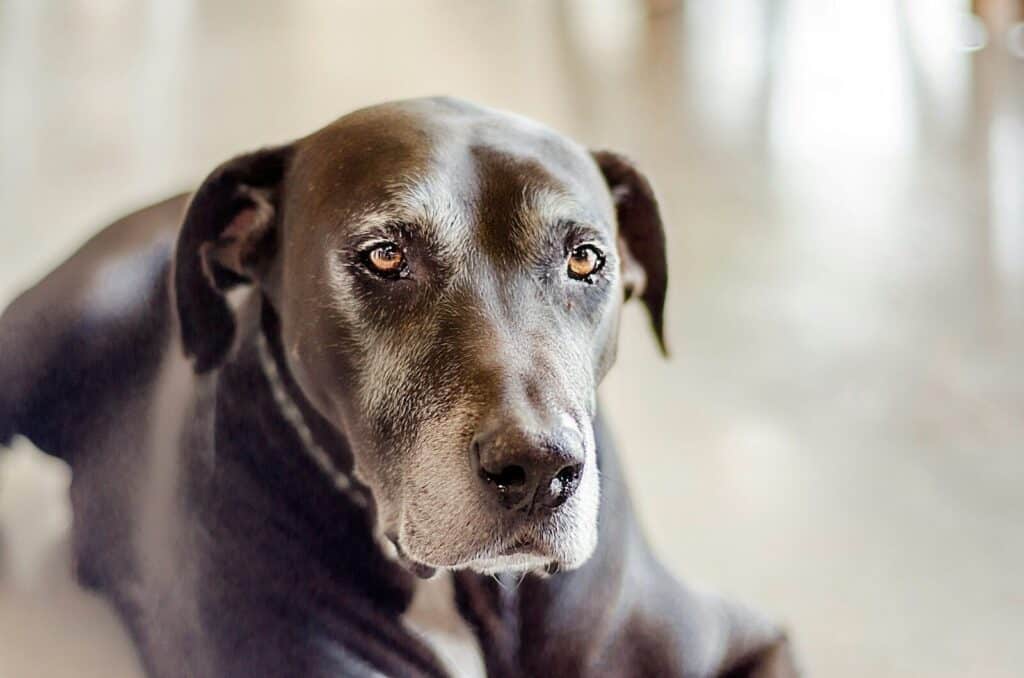
- Graying fur: Especially around the muzzle, eyes, and paws.
Monitoring changes in your dog’s behavior and habits is one of the most powerful tools you have. If something seems “off,” trust that feeling. Noticing the little things is one of the most loving things you can do for your pet’s health.
Older Dogs: Common Health Problems to Watch For
Just like people, older dogs face an increased risk of certain health problems. Knowing what to watch for helps you act quickly and keep your best friend comfortable.
Common Health Issues in Senior Dogs
- Arthritis: This is one of the most common conditions I see in older pets. Senior dogs are particularly prone to arthritis and joint pain, which can cause stiffness, reduced mobility, and discomfort during everyday activities.
- Dental disease: Plaque, tartar, and gum disease can lead to oral pain, infection, and tooth loss. Dental health is critical for senior dogs untreated dental issues can also affect the heart, kidneys, and other organs.
- Heart disease: Signs may include coughing, tiring quickly, faster breathing at rest, or fainting.
- Kidney disease: A very common concern in aging dogs. Watch for increased thirst, more frequent urination, weight loss, or a dull appetite.
- Cancer: This is a sobering fact that every senior dog owner should know cancer affects approximately half of all dogs older than 10 years. Regular checkups and early detection make a meaningful difference.
- Canine cognitive dysfunction: Often compared to dementia in people, this condition can cause confusion, pacing, getting “stuck” in corners, house-training accidents, or changes in how your dog interacts with family.
How Chronic Pain Affects Daily Life
Dogs are experts at hiding discomfort. Chronic pain and joint pain don’t always look like limping or crying. Instead, you might notice your dog:
- Hesitating before jumping onto the couch or into the car
- Avoiding stairs
- Lagging behind on walks
- Licking a specific joint
- Acting grumpy when touched in certain spots
These mobility changes can quietly shrink your dog’s world. The good news? Many of them can be managed with the right care plan from your veterinarian, including pain management options like medication, rehabilitation, or joint-supporting supplements. Ask your vet what’s right for your dog’s specific situation.
Watch for Changes in Behavior and Habits
Pay close attention to shifts in appetite, energy, bathroom habits, and the way your dog appears and moves. Changes in bathroom habits such as accidents indoors, straining, or urinating more than usual can indicate health problems like kidney disease, urinary tract infections, or diabetes. If your dog suddenly drinks a lot more water or seems confused in familiar places, it’s worth a call to your vet right away.
Lumps, Bumps, and Skin Changes
Older dogs can develop fatty lumps, skin tumors, and skin infections. Many lumps are harmless, but only a veterinarian can tell for sure. Thick or long coats can easily hide skin tumors and other changes, so I recommend running your hands over your dog during cuddle time or brushing sessions. If you find something new, have it checked especially given the elevated cancer risk in dogs over 10.
Early detection and regular veterinary checkups are your best tools for catching age-related conditions before they affect your dog’s comfort and quality of life.
Aging Dogs: How to Keep Your Senior Dog Comfortable at Home
Small changes around your home can make a big difference for aging dogs. Think of it as creating a cozy, safe space where your dog can move with confidence.
Make Floors Safer
Slippery floors like hardwood, tile, and laminate can be tough for dogs with weak hips or arthritis. A single slip can cause pain or even injury. Non-slip rugs improve traction significantly and are one of the simplest changes you can make. Try these fixes:
- Lay down nonslip rugs or yoga mats along your dog’s favorite paths.
- Add runners in hallways and near food and water bowls.
- Consider grippy dog socks or paw traction products if your vet approves.
- Maintain a predictable home layout so your dog especially one with vision or hearing loss can navigate safely without surprises.
Create Easy Access to Favorite Spots
- Orthopedic bedding: A supportive orthopedic or memory foam bed relieves pressure on stiff, achy joints and makes getting up much easier. Provide a comfortable, dedicated spot where your dog can rest undisturbed.
- Elevated food and water bowls: Raised bowls can reduce strain on the neck and shoulders during meals, which is especially helpful for larger breeds.
- Ramps or pet stairs: Help your dog reach the couch, bed, or car without jumping. This protects their joints and gives them independence.
- Easy access to resting areas: Keep beds on the main floor so your dog doesn’t have to climb stairs to nap near you.
- Fresh water access: Make sure your senior dog always has constant access to fresh drinking water, particularly since kidney disease and other conditions can increase thirst.
Keep Temperatures Comfortable
Senior dogs often have a harder time regulating body temperature. Cold weather can make stiff joints feel worse, and heat can be risky for dogs with heart or breathing issues. In cold conditions, consider a well-fitted dog coat to help keep your senior warm, especially during walks. During temperature changes, offer a warm blanket or sweater in winter, and a cool, shaded spot with fresh water in summer. Here in the DC area, our winters and humid summers can both be hard on older pets, so I keep an eye on the forecast before every walk.
Keep Nails Trimmed and Grooming Regular
Long toenails change the way a dog’s foot hits the ground. That can throw off balance and add stress to already sore joints. Regular nail trimming and grooming helps improve traction and mobility — two things that matter a great deal as your dog ages. If your dog is nervous about nail care, your groomer or vet can help.
Reduce Stress With Routine
Older dogs love predictability. To reduce stress:
- Keep meals, walks, and bedtime at consistent times.
- Avoid rearranging furniture, especially if your dog has vision or hearing loss.
- Offer a quiet resting area away from busy household traffic.
- Keep familiar toys, blankets, and beds close by.
This is also why in-home pet care can be such a gift for seniors. Staying in their own space while you’re away means less change and less worry.
Your Dog’s Diet: Supporting a Healthy Weight and Better Health
What goes in your dog’s bowl matters at every age, but it becomes even more important in the senior years.
Why Senior Dogs Gain Weight
As dogs age, their metabolism often slows down, and they may move less. If they keep eating the same amount, weight gain can creep up fast. Extra weight places real strain on aging joints, which makes arthritis and joint pain worse and reduces your dog’s ability to stay active. Keeping your dog at a healthy weight is genuinely one of the most impactful things you can do — research suggests that dogs who maintain their ideal weight can live up to two years longer than overweight dogs.
Choosing the Right Diet
There’s no single “best” dog food for every senior, but a few principles apply broadly. Senior-specific diets are worth considering, as they’re often formulated with the right balance of protein, fiber, and calories for an older dog’s needs. High-quality protein is especially important for maintaining muscle mass as your dog ages, and increasing dietary fiber can support digestion, which often slows with age.
The right diet depends on your dog’s:
- Overall health and any medical conditions
- Activity level
- Body condition and current weight
- Nutritional needs, such as protein, fiber, or calorie levels
Some older dogs do well on a senior formula. Others need a prescription diet for specific health conditions. Your veterinarian is your best guide here, and it’s important to consult your vet before making significant dietary changes particularly if your dog has kidney disease, heart disease, or other health conditions, since some diets and supplements can do more harm than good in those cases.
Maintaining a Healthy Weight
A few easy habits help keep your dog at a healthy weight:
- Measure meals instead of free-feeding.
- Count treats as part of daily calories.
- Swap some treats for healthy options your vet approves, like small pieces of green beans or carrots.
Overweight dogs are at higher risk for arthritis, heart issues, and a shorter lifespan. On the flip side, dogs who maintain an ideal weight tend to stay mobile, comfortable, and engaged well into their senior years.
Watch for Unexpected Weight Changes
Monitoring your dog’s weight at least every two months helps you spot trends early. Sudden weight loss or weight gain can signal underlying health problems like kidney disease, thyroid issues, dental pain, or diabetes. Regular home weigh-ins between vet visits give you a fuller picture of your dog’s health.
Joint-Supporting Supplements
Ask your veterinarian about joint-supporting supplements such as glucosamine and chondroitin. These are commonly recommended for aging dogs and can help support cartilage health and reduce joint discomfort over time. Not every supplement is right for every dog, so always get your vet’s input before starting anything new.
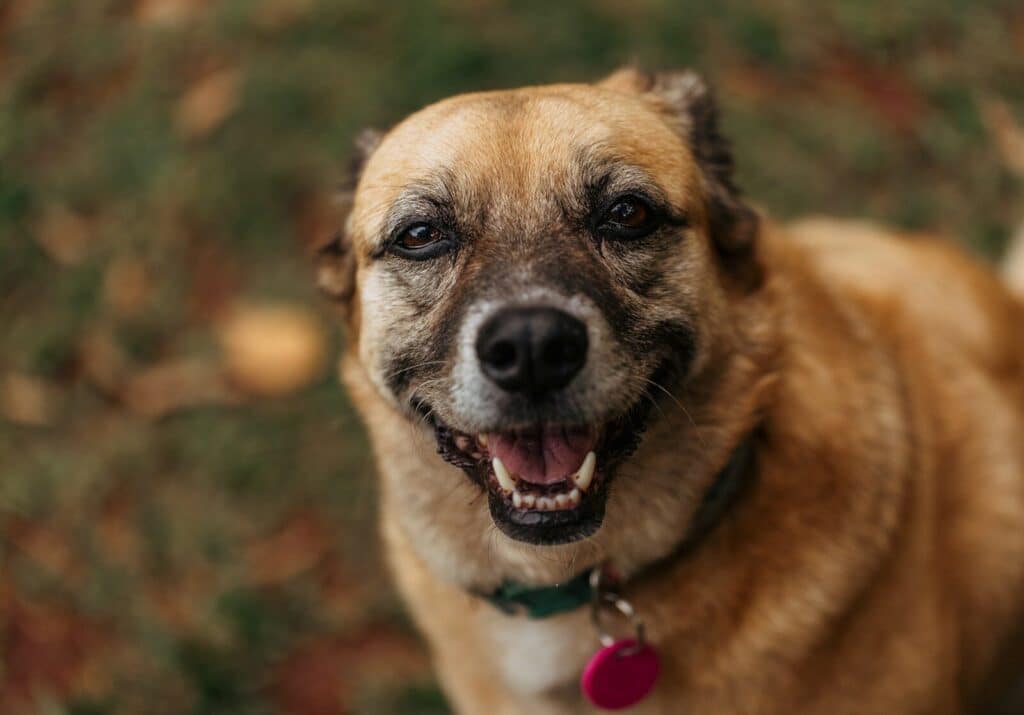
Photo by Helena Lopes on Unsplash
Keeping Your Aging Dog Healthy With Gentle Exercise
Senior dogs still need to move. Regular activity helps maintain muscle strength, keeps joints flexible, supports a healthy weight, and contributes to a healthier and longer life overall. Plus, walks are often the highlight of a dog’s day!
Low Impact Exercises for Senior Dogs
The key is to match activity to your dog’s abilities. Short, frequent exercise sessions are generally better than one long outing aim for walks of around 15 to 20 minutes, twice daily, as a starting point. Some great low-impact options include:
- Shorter, more frequent walks: Two or three short walks may be easier than one long one.
- Sniff walks: Let your dog set the pace and explore with their nose. Sniffing is mentally rewarding and easy on the body.
- Gentle play: Soft toss games, tug with a light touch, or rolling a ball short distances.
- Swimming or hydrotherapy: Water supports the body and reduces joint strain. Always supervise and ask your vet first.
- Gentle stretching: Your vet or a rehab professional can show you safe movements.
Regular exercise also helps prevent weight gain, which is a common concern in less active senior dogs.
Don’t Push Too Hard
Arthritis and joint pain can lower your dog’s exercise tolerance. Some days they’ll feel great. Other days, a slow stroll around the block is plenty. Let your dog guide you, and avoid long, hard, or high-impact activities like jumping, sprinting, or rough play with younger dogs.
Warning Signs to Watch For
Stop and check in with your veterinarian if your dog:
- Starts to walk abnormally or limp
- Struggles to stand up after resting
- Becomes reluctant to move or go on walks
- Pants heavily or seems exhausted after light activity
- Shows signs of pain, like whining or licking joints
Vet-Approved Support Options
Today’s veterinary medicine offers more ways than ever to support mobility. Depending on your dog’s needs, your vet may recommend pain medication, joint supplements like glucosamine, physical rehabilitation, acupuncture, or laser therapy. Laser therapy uses gentle light energy to help reduce inflammation and pain, and many dogs find it relaxing. Discuss pain management options openly with your veterinarian there are more choices available now than ever before, and your dog doesn’t have to simply endure discomfort.
Mental Stimulation: Keeping Senior Dogs Mentally Active
A busy brain is a happy brain. Mental stimulation is just as important as physical exercise for aging dogs and it’s essential for keeping them engaged, sharp, and emotionally well. It can be especially helpful for those showing early signs of cognitive decline.
Why the Mind Matters
Mental enrichment is not a bonus for senior dogs. It’s a core part of their care. Keeping your dog mentally active may help slow cognitive changes, reduce anxiety, and maintain a sense of purpose and joy. Regular mental challenges are essential for older dogs’ overall wellbeing they need their minds exercised just as much as their bodies.
Easy Ways to Keep Your Senior Dog’s Mind Sharp
- Interactive toys: Treat-dispensing balls and puzzle toys make mealtime a game and can entertain senior dogs for longer periods than a simple bowl.
- Puzzle feeders: These are fantastic for slowing down eating and keeping the brain busy at the same time.
- Scent games: Hide treats around a room and let your dog sniff them out. This is one of the most engaging and low-impact activities available.
- Food puzzles and snuffle mats: These slow down eating and engage the nose.
- New tricks: Yes, you can teach an old dog new tricks! Choose simple, low-effort ones like “touch,” “chin rest,” or “find it.” Learning something new builds confidence and keeps the mind active.
- Gentle training refreshers: Practicing familiar cues builds confidence and reinforces routine.
Always match activities to your dog’s mobility. A dog with sore hips may prefer nose work over tricks that require sitting and standing repeatedly.
Social Interactions and Quality Time
Positive social interactions with familiar people and other pets can lift your dog’s spirits. Some seniors still love doggy friends, while others prefer calm company. Respect your dog’s comfort level and keep visits relaxed.
Even 10 minutes of quality time each day can reduce stress and help your dog feel secure. A slow brushing session, a quiet cuddle, or a sniff around the yard all count. Engaging activities like these can help keep senior dogs mentally sharp and emotionally grounded.
When to Talk to Your Vet
If you notice changes in behavior such as confusion, staring at walls, new anxiety, or shifts in sleep patterns like nighttime pacing mention it to your veterinarian. These can be signs of canine cognitive dysfunction, and there are treatment options and management strategies that can help. Changes in behavior are always worth discussing, especially if they appear alongside changes in bathroom habits or appetite.
Regular Veterinary Checkups for Senior Pets
If there’s one piece of advice I’d give every senior dog parent, it’s this: don’t skip the vet. Regular veterinary check ups are essential to senior dog care as dogs age and face an increased risk of health problems. Routine exams, urine tests, and dental evaluations help with early detection of age related conditions like kidney disease, heart disease, dental disease, and arthritis.
Even when older dogs appear healthy, aging dogs may hide chronic pain, skin tumors, or cognitive decline. Your veterinarian can monitor your dog’s weight, recommend the right diet, and help maintain a healthy weight and quality of life throughout their golden years. Regular visits also help us plan for changing needs and compassionate end of life care.
How Often Should Senior Dogs See the Vet?
Veterinarians typically recommend checkups every six months for senior pets. That may sound like a lot, but dogs age faster than we do. Six months for your dog can be like several years for a person. More frequent visits give your vet a chance to catch changes early, when they’re most treatable.
What a Senior Wellness Visit May Include
- Physical exam: Checking weight, heart, lungs, joints, eyes, ears, and skin
- Dental evaluation: Looking for gum disease, broken teeth, or signs of tooth loss
- Bloodwork: Screening for kidney, liver, thyroid, and other issues
- Urine tests: Helping detect kidney disease, infections, and diabetes
- Blood pressure checks: Especially for dogs with heart or kidney concerns
- Mobility assessment: Watching how your dog walks, sits, and stands
- Cancer screening: Given that cancer affects nearly half of all dogs older than 10, regular physical exams are a critical line of defense
The Power of Early Detection
Modern veterinary medicine has come so far. When age-related conditions are caught early, they’re often easier to manage, and your dog can stay comfortable longer. Early detection protects your pet’s quality of life in every meaningful way.
Keep Notes Between Appointments
Your observations are incredibly valuable to your vet. Try keeping a simple log on your phone that tracks:
- Medications and doses
- Appetite and water intake
- Mobility changes
- Weight (aim to weigh your dog at least every two months)
- Bathroom habits and any changes
- New lumps, behaviors, or sleep changes
When our team cares for senior dogs, we share notes after every visit. Many of our clients tell me those updates help them spot patterns they can share with their veterinarian.
Don’t Overlook Dental Health
Dental health is important for senior dogs, and it’s easy to overlook. Dental disease is painful, surprisingly common in older dogs, and can contribute to broader health problems if bacteria enter the bloodstream. If your dog chews on one side, drops food, has bad breath, or suddenly loses interest in hard treats, their mouth may be hurting. Treating dental problems can bring back appetite and energy you didn’t realize they’d lost. Regular dental evaluations ideally every six months alongside their wellness checkup can catch problems early and keep your dog more comfortable.
End of Life Care: Supporting Your Dog With Love and Compassion
This is the part of the journey none of us want to think about. But I believe talking about it openly, with love, makes it a little less frightening when the time comes.
Monitoring Your Dog’s Comfort
As your dog reaches old age, pay close attention to their daily comfort. Ask yourself:
- Is my dog eating and drinking well?
- Can they move around, stand, and lie down without much struggle?
- Are they able to stay clean and manage bathroom needs?
- Do they still enjoy their favorite things, like greeting me, a short walk, or a special toy?
- Do they have more good days than bad days?
Some families find it helpful to mark each day on a calendar as “good” or “hard.” Over time, this can make patterns clearer and help you have more informed conversations with your veterinarian.
Signs That Palliative Care May Be Needed
When a dog begins to show signs like a persistent lack of interest in food, difficulty getting comfortable, loss of enjoyment in activities they once loved, or significant changes in breathing or mobility, it may be time to talk with your vet about palliative or hospice care. This type of care focuses on comfort and quality of life rather than curative treatment.
What End of Life Care May Involve
End of life care may include:
- Pain management and medication to keep your dog comfortable
- Mobility support like slings, harnesses, or ramps
- Soft, supportive bedding and help with hygiene
- Appetite support and easy-to-eat foods
- Extra veterinary visits or in-home vet care
Talking With Your Veterinarian About End of Life Decisions
Quality of life and end of life decisions are deeply personal. Your veterinarian can help you understand your dog’s condition, available options, and what your dog’s comfort level may look like going forward. Veterinarians can also help determine when euthanasia may be the most compassionate choice a conversation that is always hard but sometimes necessary. There’s no “right” answer that fits every family, and it’s okay to ask questions, take time, and lean on your vet’s guidance.
There’s No Single Timeline
Every aging dog is different. Some stay spry well into their teens. Others face health issues earlier. Decisions should be based on your individual dog’s health and comfort, not a number on a calendar.
Love Matters Every Step of the Way
Through it all, your presence is what your dog needs most. Gentle pets, soft words, and quiet time together mean so much. I’ve had the honor of caring for many dogs in their final chapters, and I can tell you: love and comfort remain meaningful right up to the very end.
How Kate’s K9 Pet Care Helps Senior Dogs Thrive
Caring for a senior dog takes time, patience, and consistency. If you’re juggling long workdays, a commute, kids, or travel, keeping up with a senior’s needs can feel overwhelming. That’s where my team and I come in.
Personalized Care for Every Senior Dog
No two older dogs are the same, so we never use a one-size-fits-all approach. During our meet and greet, we learn your dog’s routine, quirks, comfort needs, and favorite spots for a scratch. Then we tailor each visit to fit. That may include:
- Potty breaks to help prevent accidents and discomfort
- Gentle, dog-paced walks with plenty of time to sniff, kept short and appropriate for your dog’s energy level
- Companionship for dogs who don’t love being alone
- Feeding according to your instructions, including special or prescription diets
- Fresh water topped off every visit
- Calm, patient handling for dogs with stiff joints, hearing loss, or vision changes
For seniors who need a ride, our pet taxi can help get them to vet visits or grooming appointments safely. And if your travel plans keep you out late, our almost overnight care gives older pets extended evening attention.
Stay Connected With Updates After Every Visit
I know how hard it is to be away from a dog you love, especially when they’re getting older. That’s why we send updates, photos, and notes after every single visit. You’ll know how your dog’s walk went, whether they ate, and how they seemed. Many clients tell me those little messages give them real peace of mind and sometimes help them notice changes worth mentioning to their vet.
Flexible Scheduling for Busy Lives
Whether you need a midday walk while you’re at the office, regular check-ins during a hectic family week, or care while you travel, we work around your schedule. Consistency is so important for seniors, and we’re here to help you keep their routine steady.
Care You Can Trust
- 15+ years of pet care experience
- Licensed, bonded, and insured for complete peace of mind
- Family-operated and community-focused, proudly serving Alexandria, Arlington, Springfield, Fort Washington, National Harbor, and surrounding areas across Virginia and Maryland
- Highly rated by pet parents in our community
- Convenient online client portal for easy booking, payments, and communication
- Free first walk for new clients
- 10% discount for teachers, first responders, active-duty military, and veterans
Working Alongside Your Veterinarian
We always follow each pet’s care instructions closely. Medical concerns or specialized treatments should be coordinated with your dog’s veterinarian, and we’re happy to share what we observe during visits so you can keep your vet in the loop.
Your senior dog deserves comfort, love, and dependable care. Schedule Your Free First Walk Now and let us help keep your best friend happy in their golden years.
Give Your Senior Dog the Care They Deserve
As our pets enter their senior years, even small adjustments can make a meaningful difference. A nonslip rug, a supportive orthopedic bed, elevated food bowls, a ramp to their favorite spot, a short walk, a puzzle toy, or a timely vet visit these things add up. Good senior dog care isn’t about doing everything perfectly. It’s about paying attention, adapting with patience, and cherishing the time you have together.
I believe every older dog deserves thoughtful, loving attention, and I feel lucky to share that with so many families in our community. At Kate’s K9 Pet Care, we’re proud to help pet owners in Alexandria, Arlington, Springfield, Fort Washington, National Harbor, and throughout Virginia and Maryland care for their furry family members with dependable, personalized support.
Your senior dog gave you their best years. Let’s help make these golden years their happiest yet.