To see where we currently operate, please view our Service Area section.
Kate’s K9 Pet Care proudly provides dog walking, cat sitting, small animal pet care, pet taxi services, “Almost Overnight” pet care, and convenient pet supply delivery. To see where we currently operate, please visit our Service Area Page .
To take care of an elderly pet, schedule veterinary checkups twice a year, feed a senior-specific diet, keep them at a healthy weight, provide gentle daily exercise, make your home easier to navigate with ramps and non-slip flooring, offer mental enrichment, and maintain a predictable routine. Small, thoughtful adjustments help aging dogs and cats stay comfortable in their golden years.
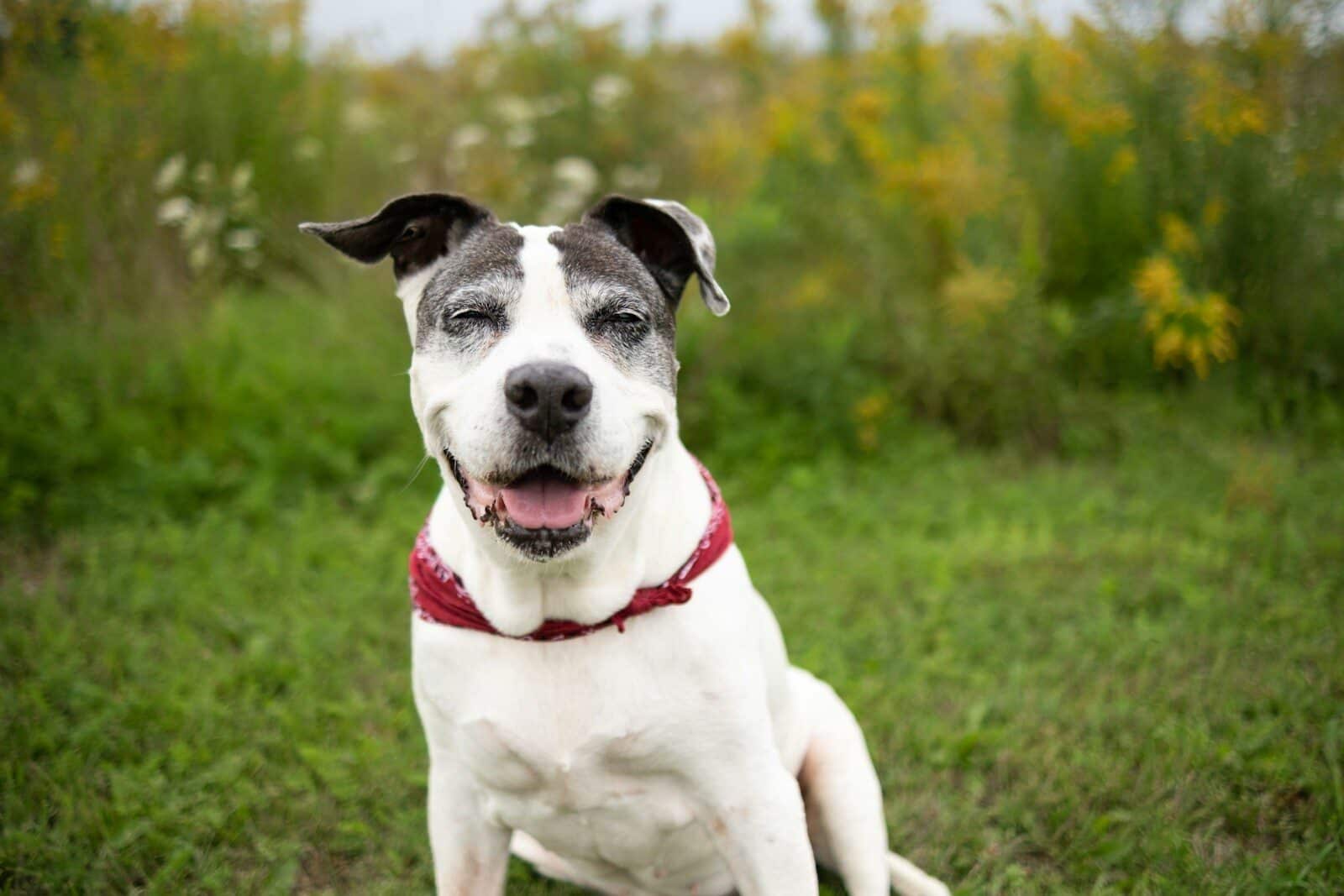
Watching a beloved pet enter their senior years is one of the most bittersweet parts of pet ownership. The graying muzzle, the slower morning stretch, the extra naps in the sun—these little changes remind us that our companions are growing older. It’s emotional, but it’s also a gift. These golden years can be some of the most tender and rewarding you’ll ever share.
Caring for a senior pet doesn’t mean overhauling their whole life. In most cases, it’s about making thoughtful adjustments—tweaking their diet, softening their bed, adding a ramp here and there, and keeping a closer eye on their health. Every pet ages differently based on breed, size, and overall health, so there’s no single formula. But there are proven principles that make a real difference.
At Kate’s K9 Pet Care, we’ve spent more than 15 years helping older dogs and cats throughout Annandale and surrounding Virginia communities stay happy, comfortable, and safe—especially when their owners are at work or traveling. This guide brings together everything we’ve learned, plus expert insights from trusted veterinary sources, to help you give your aging companion the care they deserve.
Book services online in just a couple minutes.
How to Take Care of an Elderly Pet as They Enter Their Senior Years

When Is a Dog Considered a Senior?
There’s no universal age when a dog becomes a senior, because size and breed play a huge role. Larger breeds tend to age faster than smaller ones. According to the American Veterinary Medical Association, a dog is generally considered senior when they reach the last 25% of their estimated lifespan. On average, that works out to:
- Small or toy breeds (under 20 lbs): 8 to 11 years
- Medium breeds (20 to 50 lbs): 8 to 10 years
- Large breeds (50 to 90 lbs): 8 to 9 years
- Giant breeds (over 90 lbs): 6 to 7 years
Cats are generally considered senior after 10 years of age. Knowing when your pet reaches this stage matters because it lets you shift into proactive care—catching small problems before they become serious ones.
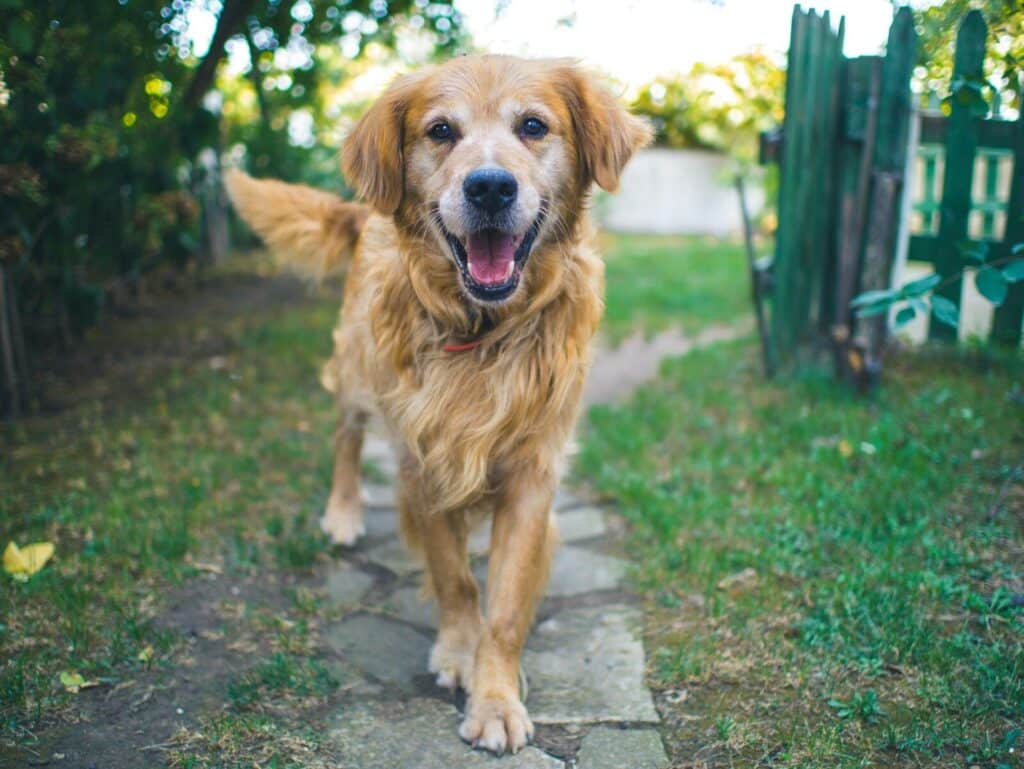
Photo by Berkay Gumustekin on Unsplash
Signs Your Pet Is Getting Older
Aging shows up in many ways, some obvious and some subtle. Keep an eye out for:
- Lower energy levels and more sleeping
- Vision or hearing loss
- Weight gain or unexplained weight loss
- Arthritis, stiffness, and mobility issues
- Dental disease
- Behavioral changes and increased anxiety
- Cognitive decline
- Urinary accidents
If you’d like a deeper look at what to expect, Small Door Veterinary’s Senior Dogs 101 guide walks through many of these changes in detail.
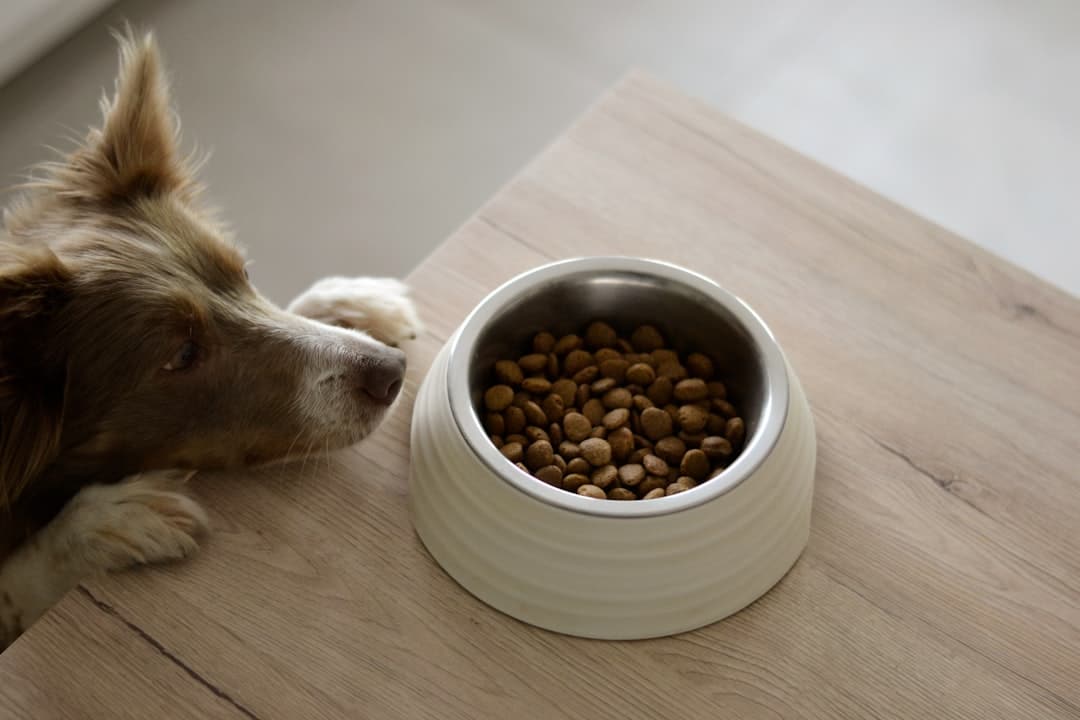
Adjusting Your Senior Dog’s Diet for Better Health
Why Diet Changes Matter
As pets age, their metabolism slows down. That means senior dogs usually need fewer calories to avoid packing on extra weight. A higher-fiber diet can support digestion, while certain senior formulas are designed to ease the load on aging kidneys. The right diet also helps manage chronic conditions that become more common with age.
Choosing the Right Senior Dog Food
Many pet parents transition to a senior-specific formula around age seven. Senior pet food is formulated for the needs of aging bodies—balanced protein to preserve muscle, ingredients that support kidney function, and calorie profiles built for weight management. Your veterinarian can recommend the best option for your pet’s specific health picture.
Feeding Tips for Older Dogs
- Offer smaller, more frequent meals to aid digestion
- Keep fresh water available at all times
- Place food and water bowls where they’re easy to reach
- Go easy on table scraps
- Monitor your pet’s weight regularly
Weight management is one of the most powerful tools you have. Dogs kept at an ideal weight may live up to two years longer than overweight dogs, and staying lean reduces the risk of arthritis, diabetes, and heart disease.
Supporting Mobility in Aging Dogs
Common Joint Problems
Older dogs frequently develop arthritis, joint stiffness, muscle loss, and reduced flexibility. These changes can make once-simple activities—hopping onto the couch, climbing stairs, getting into the car—suddenly difficult.
Low-Impact Exercise Keeps Senior Dogs Moving
Movement matters, but the approach should be gentle. Consider:
- Two shorter 15–20 minute walks instead of one long trek
- Daily walks to help prevent obesity
- Swimming, an excellent low-impact option that’s easy on the joints
- Gentle play to maintain muscle tone
Consistency is more important than intensity. The ASPCA recommends starting slowly if your pet hasn’t been active, then gradually building up.
Joint Supplements Worth Discussing With Your Veterinarian
Glucosamine and chondroitin are popular joint supplements, and your vet may also suggest pain management options tailored to your dog. Always check with your veterinarian before starting any supplement, since research on effectiveness is mixed and the right choice depends on your pet’s overall health.
Environmental Modifications That Make Life Easier
Small changes around the house can dramatically improve your senior pet’s comfort and safety. Here’s a quick reference:
| Home Modification | How It Helps |
|---|---|
| Non-slip rugs and runners | Provide traction on slippery floors and prevent falls |
| Ramps for furniture or vehicles | Let pets climb without straining joints |
| Easy access to food and water | Reduces effort and encourages regular eating and drinking |
| Bowls and beds on the main floor | Minimizes stair climbing |
| Orthopedic beds | Cushion aching joints and help prevent pressure sores |
| Extra lighting or aroma cues | Help pets with fading vision navigate confidently |
Keeping Daily Life Predictable
The goal is to modify the home without disrupting your pet’s sense of familiarity. Avoid rearranging furniture, since pets with failing eyesight rely on a consistent layout. Keep feeding and walking schedules steady—predictable routines reduce stress and anxiety, which is especially important for pets experiencing cognitive changes.

Photo by Rajudin Hax on Unsplash
Regular Veterinary Check-Ups Keep Health Problems Under Control
Why Twice-Yearly Veterinary Visits Matter
Senior pets should see the vet at least every six months. Because older animals are more likely to develop health issues, more frequent visits help catch problems early—before they become life-threatening. These exams often include blood work, urinalysis, dental checks, and careful weight monitoring. The American Kennel Club also stresses the value of regular checkups as a cornerstone of senior care.
Common Senior Health Issues Your Vet May Monitor
- Arthritis and joint or bone disease
- Heart disease
- Kidney and liver disease
- Cancer
- Dental disease
- Vision and hearing loss
- Urinary incontinence
- Cognitive dysfunction
It’s worth noting that cancer causes nearly half of deaths in dogs over 10 years old, which is exactly why early detection through routine visits is so valuable.
Mental Stimulation Is Just as Important as Physical Exercise
Preventing Cognitive Decline
A sharp mind needs exercise too. According to VCA Animal Hospitals, experts recommend annual screening for cognitive dysfunction starting at age seven in dogs and age 10 in cats. The signs follow the acronym DISHAA: Disorientation, changes in Interactions, disrupted Sleep-wake cycles, House soiling and memory issues, reduced Activity, and increased Anxiety.
To keep aging brains engaged, try:
- Interactive toys and puzzle feeders
- Gentle training and practicing old tricks
- Nose work games and scavenger hunts
- Short, positive learning sessions
The “use it or lose it” principle applies—daily enrichment helps maintain brain health.
Emotional Wellness Matters Too
A calm environment, extra companionship, positive interactions, and plenty of daily affection all support your pet’s emotional health. Predictable routines go a long way toward reducing anxiety in older animals.
Daily Grooming and Dental Health for Senior Pets
Why Grooming Becomes More Important
As pets age, they may struggle to groom themselves. Frequent brushing prevents painful tangles, and regular grooming sessions give you a chance to check for new lumps, monitor skin changes, and keep nails trimmed. Overgrown nails can make it harder for older pets to walk, especially on hard floors.
Caring for Dental Health
Dental disease is one of the most common problems in senior pets—and it affects far more than the mouth. Routine brushing, appropriate dental chews, and professional cleanings all help. A healthy mouth means less pain, better eating, and an improved quality of life.
Increasing Bathroom Breaks and Managing Medication Schedules
Why Older Pets Need More Frequent Potty Breaks
Reduced bladder control, urinary incontinence, and medication side effects all mean senior pets often need to go out more often. Making it easy to get outside—or providing an accessible indoor option—helps prevent accidents and keeps your pet comfortable.
Staying Consistent With Medications
Many senior pets take daily medications, and consistency is everything. Use pill reminders, build medication into a daily schedule, and coordinate doses with meals when directed by your vet. Skipping or mistiming medications can undo the good they’re meant to do.
How Long Can an Elderly Pet Be Left Alone?
Every pet is different, but senior dogs and cats generally shouldn’t be left alone as long as younger, healthier animals. Most older dogs do best when left alone for no more than about four to six hours, depending on their health.
Several factors make older pets more reliant on regular check-ins:
- Bathroom needs: Weaker bladder control means more frequent trips outside
- Medication schedules: Some doses must be given at specific times
- Separation anxiety: Older pets can become more anxious when alone
- Mobility limitations: They may need help getting up or navigating
- Cognitive decline: Confusion and pacing can worsen without company
This is where regular drop-in visits become so valuable—and when a trip stretches long, overnight pet sitting is often the better choice. For more on this topic, the Animal Humane Society offers a helpful guide to leaving your dog home alone.
Senior Pet Care Checklist
Keep this handy as a quick daily and weekly reference:
- ✔ Fresh water always available
- ✔ Senior-specific diet
- ✔ Healthy weight monitored
- ✔ Medication given on schedule
- ✔ Short daily walks
- ✔ Mental stimulation
- ✔ Comfortable orthopedic bed
- ✔ Non-slip flooring
- ✔ Food bowls easily accessible
- ✔ Regular grooming
- ✔ Dental care
- ✔ Frequent bathroom breaks
- ✔ Veterinary checkups every six months
- ✔ Monitor for behavior changes
- ✔ Plenty of companionship
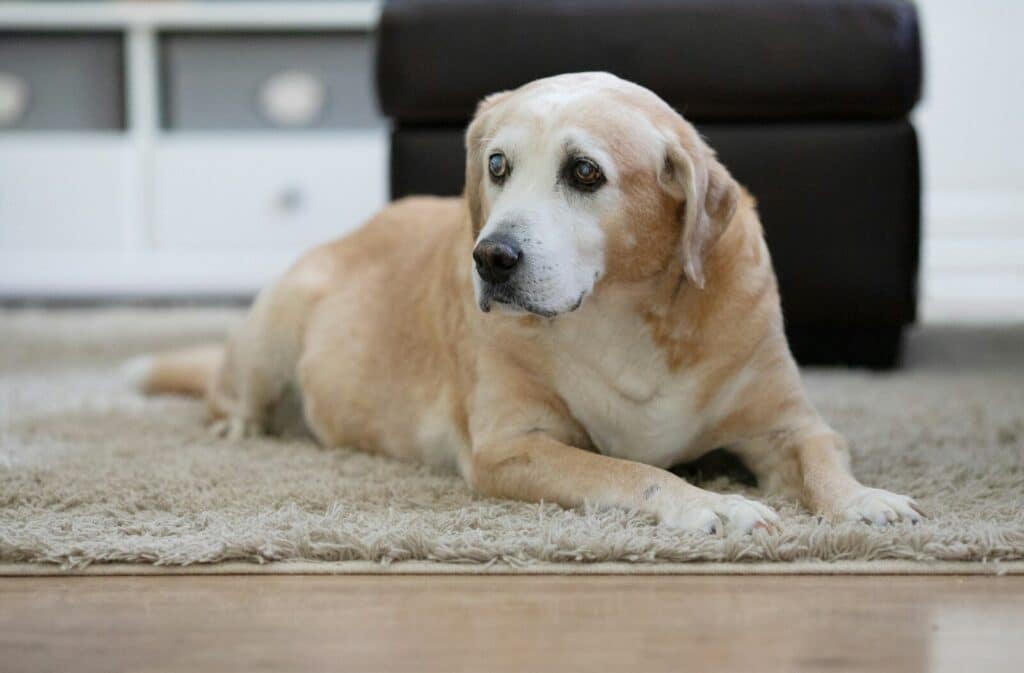
Photo by Reba Spike on Unsplash
How Kate’s K9 Pet Care Helps Annandale Families Care for Senior Pets
We know that busy schedules, long commutes, and travel don’t stop just because your pet has grown older—and older pets need more care, not less. That’s where we come in.
At Kate’s K9 Pet Care, we provide personalized support built around your senior pet’s established routine, including:
- Slower-paced, senior-friendly dog walks tailored to your pet’s energy and mobility
- Drop-in visits for extra bathroom breaks and companionship
- Overnight pet sitting for those longer trips away
- Consistent daily routines that keep anxious or confused pets calm
- Fresh water and feeding exactly as you’d do it yourself
- Updates and photos after every single visit, so you never have to wonder how your pet is doing
Our clients regularly tell us how much it means. As one Annandale-area family shared, “They also have been great with our two senior dogs on their daily walks. As older dogs, they have specific needs and the team at Kate’s K9 is always compassionate and patient with them.”
With more than 15 years of experience, licensed, bonded, and insured care, flexible scheduling, and convenient online booking, we’ve earned a 4.8-star reputation caring for elderly dogs, senior cats, and aging pets throughout Annandale and nearby Northern Virginia communities.
Frequently Asked Questions
What age is considered very old for a dog?
While dogs are generally considered seniors around age seven, “very old” depends heavily on breed and size. Giant breeds may reach advanced age as early as six or seven, while small breeds often remain spry well into their teens. A 14-year-old toy poodle and a 7-year-old Great Dane can both be considered geriatric for their size.
What are the signs that a senior dog is nearing the end of her life?
Common signs include severe loss of mobility, little to no interest in food or water, persistent pain, confusion or disorientation, changes in breathing, and withdrawal from family. If you notice a steady decline in your dog’s quality of life, talk with your veterinarian. They can offer an honest assessment and guide you through compassionate end-of-life options.
What should I do after putting a dog down?
Give yourself permission to grieve—there’s no “right” timeline for healing. Many people find comfort in memorializing their pet, whether through a photo, a keepsake, or a small ceremony. Talk openly with family members, pay attention to any remaining pets who may also be grieving, and reach out for support if you need it. The AVMA’s guide to coping with the loss of a pet offers thoughtful resources.
What can I do to cope after losing a pet?
Healthy ways to cope include creating a memorial, celebrating your favorite memories, and leaning on supportive friends or pet loss support groups. Honoring the bond you shared—rather than rushing to “move on”—often helps the healing process. Grief reflects love, and there’s no shame in taking the time you need.
Cherishing the Golden Years
Caring for an elderly pet doesn’t have to feel overwhelming. With a few thoughtful home modifications, regular veterinary care, a balanced senior diet, gentle exercise, mental enrichment, and plenty of love, your companion can continue enjoying a comfortable, fulfilling life well into their golden years.
And when work, travel, or a hectic week makes it hard to keep up their routine, we’re here to help. Our team knows how to give older pets the patient, attentive care they deserve.
Try us risk-free—your first walk is on us. Get started with Kate’s K9 Pet Care today.