To see where we currently operate, please view our Service Area section.
Kate’s K9 Pet Care proudly provides dog walking, cat sitting, small animal pet care, pet taxi services, “Almost Overnight” pet care, and convenient pet supply delivery. To see where we currently operate, please visit our Service Area Page .
Many homes are filled with beautiful flowering plants and decorative greenery, but cat owners often don’t realize that some of the most popular plants can be dangerous for their pets. If you have a curious cat who enjoys exploring your home, chewing leaves, or sniffing a vibrant flower, it’s important to understand what flowers are toxic to cats and how to keep your pet safe.
Cats are naturally inquisitive animals. They investigate new objects, climb onto shelves, and sometimes chew on common houseplants or flowers. Unfortunately, many plants contain a toxic component that can cause illness when ingested. Some are mildly toxic, causing only stomach upset, while others are extremely toxic and may lead to kidney failure, liver damage, or other serious health problems.
For responsible pet owners, knowing which plants are toxic to cats should be avoided is an important step toward creating a safe home environment for your feline friends. In this guide, we’ll explore the most common poisonous plants, the symptoms of plant poisoning, and how to respond quickly if your cat comes into contact with a dangerous plant.
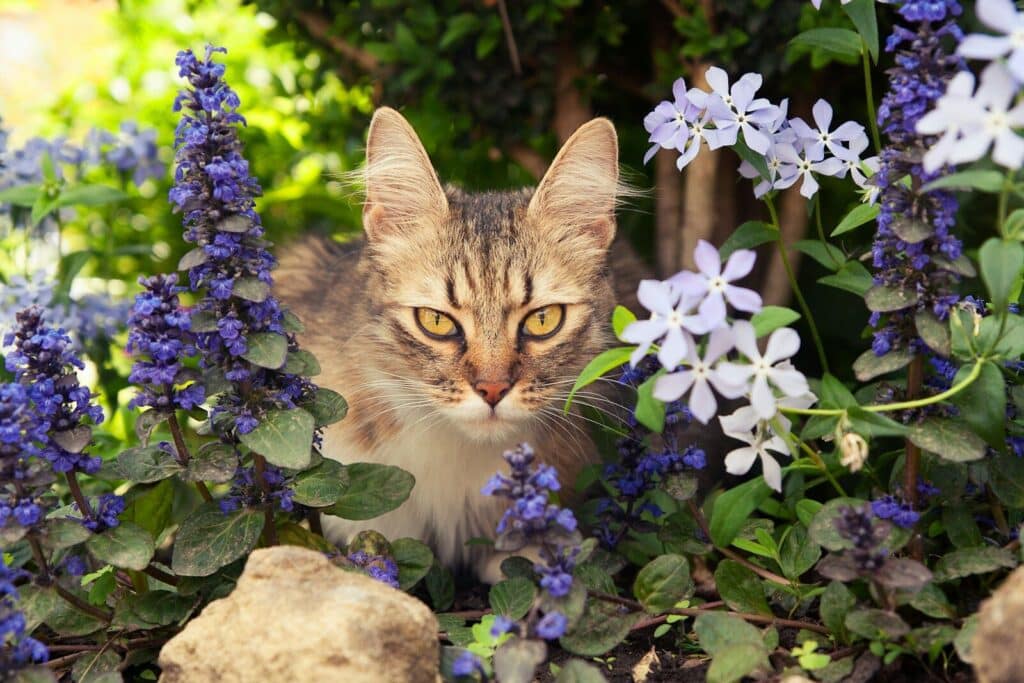
Photo by Tatyana Rubleva on Unsplash
Book services online in just a couple minutes.
Why Some Flowers Are Dangerous for Cats
Many decorative plants contain natural chemicals designed to protect them from insects and animals in the wild. While these substances help the plant survive, they can be poisonous to cats if ingested.
Different plants affect cats in different ways. Some contain compounds that irritate the mouth and digestive tract, while others damage internal organs.
For example, certain plants contain insoluble calcium oxalate crystals, which can cause intense oral irritation, drooling, and swelling of the mouth. Other plants contain chemicals such as alkaloid colchicine, which can affect internal organs and cause serious illness.
In severe cases, cats exposed to highly toxic plants may experience symptoms such as:
- Vomiting diarrhea
- Breathing difficulties
- Excessive thirst
- Increased heart rate
- Transient blindness
- Organ damage, including kidney failure or liver damage
Even small amounts of certain plants can be dangerous because the entire plant may contain toxic compounds.
This is why veterinarians strongly recommend that pet owners learn which flowers are potentially toxic and remove them from homes where cats live.
10 Common Flowers That Are Toxic to Cats
Many popular houseplants and bouquets contain flowers that are dangerous for cats. Below are some of the most common poisonous plants pet owners should recognize.
1. Lilies (Liliaceae Family)
Lilies are among the most dangerous plants toxic to cats. Species such as easter lilies, Asiatic lilies, Stargazer lilies, Tiger lilies, Rubrum lilies, and red lilies are all part of the Liliaceae family and are extremely dangerous.
Even small exposures can cause lily poisoning, which may lead to severe kidney failure.
Cats can become poisoned simply by brushing against pollen or drinking water from a vase that contains lilies.
Because of their extreme toxicity, western lilies should never be kept in homes with cats.
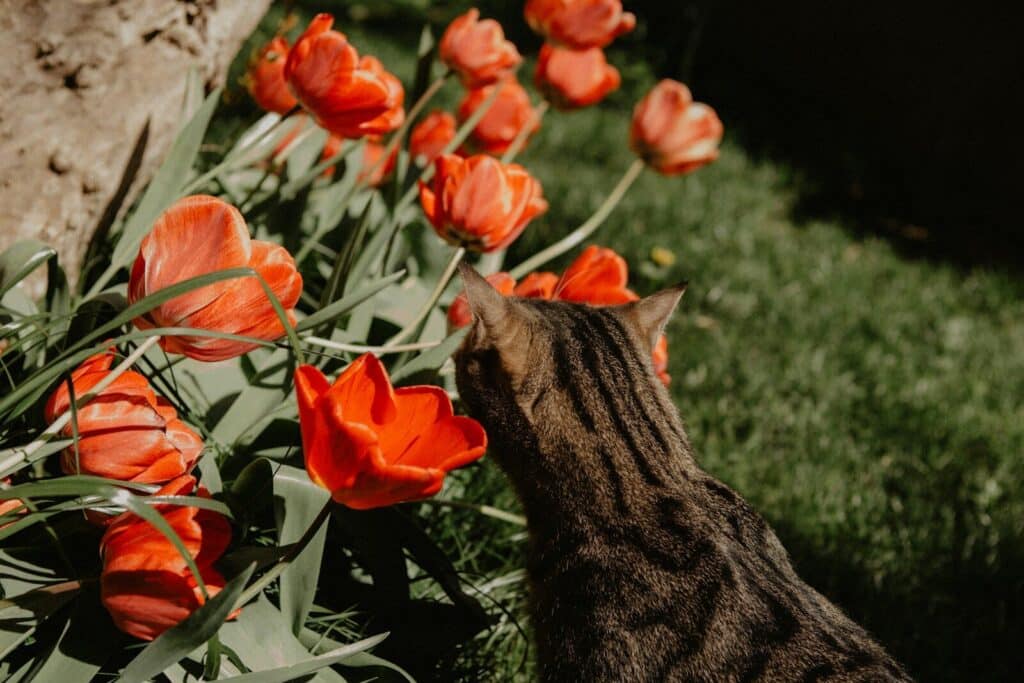
2. Tulips (Tulipa spp)
Tulips are another beautiful but dangerous flower. The most toxic part of the plant is the bulb, which contains compounds responsible for tulip poisoning.
Exposure to Tulipa spp can lead to stomach upset, drooling, vomiting, and diarrhea.
3. Daffodils
Daffodils are common spring flowers, but the daffodil bulbs contain toxic compounds that can irritate the digestive system.
Cats that ingest daffodils may experience nausea, stomach pain, or changes in heart rhythm.
4. Autumn Crocus (Meadow Saffron)
The autumn crocus, also known as meadow saffron, contains the toxin alkaloid colchicine, which can cause severe illness in cats.
This plant is considered extremely toxic, and ingestion can lead to serious symptoms, including organ failure.
5. Cyclamen (Cyclamen spp)
Cyclamen spp are popular decorative flowers found in many homes. However, the tubers of the plant contain toxic compounds.
Ingestion may cause digestive upset, vomiting, or more severe symptoms if consumed in large quantities.
6. Kalanchoe (Kalanchoe spp)
Kalanchoe spp are flowering succulents often found in homes or offices. While attractive, they contain toxins that can affect the heart.
Cats who ingest this plant may develop symptoms such as vomiting or increased heart rate.
7. Aloe Vera
Although commonly used for skin care and considered safe for humans, aloe vera is considered moderately toxic to cats.
If a cat eats aloe, symptoms such as stomach upset and lethargy may occur.
8. Dieffenbachia (Dieffenbachia spp)
Also known as dumb cane, dieffenbachia spp belongs to the araceae family.
These plants contain insoluble calcium oxalate crystals that can cause intense oral irritation, swelling, and drooling if chewed.
9. English Ivy
English ivy is another common plant that can be harmful to cats. While not always deadly, ingestion can cause digestive upset and discomfort.
10. Nerium Oleander
Nerium oleander is one of the most dangerous ornamental plants. It contains toxins that can affect the heart and nervous system.
Even small exposures can lead to serious poisoning.
Symptoms of Plant Poisoning in Cats
If a cat consumes a poisonous substance from a plant, symptoms may appear quickly.
Common signs of plant poisoning include:
- Appetite vomiting
- Vomiting diarrhea
- Drooling or oral irritation
- Loss of appetite
- Weakness or lethargy
- Breathing difficulties
- Excessive thirst
In severe cases, poisoning can cause neurological symptoms or organ damage.
Because cats often hide signs of illness, early symptoms may be subtle. If you suspect exposure to a potentially toxic plant, it is important to take action quickly.
What to Do If Your Cat Eats a Toxic Plant
If you believe your cat has eaten a poisonous plant, immediate action is critical.
First, remove the plant from your cat’s reach and check for any visible pieces in their mouth.
Next, contact a veterinarian or poison control service right away.
The Pet Poison Helpline is a trusted resource for pet emergencies involving toxic substances. Veterinary professionals can guide you on what steps to take next.
If your cat is showing severe symptoms, go to a veterinarian immediately.
Prompt treatment can make a major difference in recovery outcomes.
Pet-Safe Flower Alternatives
The good news is that many non-toxic plants are safe for homes with cats.
Pet-friendly options include:
- Cat grass
- Christmas cactus
- Certain herbs
- Some non-toxic ornamental plants
These alternatives allow pet owners to enjoy greenery without putting their cats at risk.
Before bringing new plants into your home, it’s always a good idea to verify whether they are safe for pets.
Keeping Your Cat Safe at Home
Creating a safe environment for cats means staying informed about common hazards, including poisonous plants.
Many pet owners unknowingly bring flowers into their homes that could harm their cats. By learning which plants are dangerous and choosing non-toxic alternatives, you can reduce the risk of accidental poisoning.
If you travel frequently or spend long hours away from home, having someone check on your pets regularly can also help detect unusual behavior early.
Professional pet sitters can notice changes in appetite, behavior, or symptoms that may indicate illness.
At Kate’s K9 Pet Care, we provide trusted in-home pet sitting services for families throughout Maryland and Virginia. Our experienced team understands how to monitor pets for signs of illness and ensure they remain safe and comfortable while you are away.
If you want peace of mind knowing your pets are cared for while you travel, we’re here to help.
Helpful Resources for Keeping Your Cat Safe | What Flowers Are Toxic To Cats
As a cat owner, protecting your furry friend from toxic flowers is a top priority. While learning which plants to avoid is a great first step, having reliable, expert-backed information on hand brings true peace of mind. To help you navigate plant safety and be prepared for emergencies, we have gathered a list of trustworthy, non-competitive resources.
Here are seven excellent websites you can rely on to help keep your indoor and outdoor spaces feline-friendly:
ASPCA Animal Poison Control Center
Website: https://www.aspca.org/pet-care/animal-poison-control/toxic-and-non-toxic-plants
The ASPCA provides an extensive, highly searchable database of both toxic and non-toxic plants, complete with photos. This is an essential tool for quickly identifying potentially harmful flowers before you bring a new bouquet into your home.
Pet Poison Helpline
Website: https://www.petpoisonhelpline.com/
This site offers a comprehensive poison list and operates a 24/7 emergency hotline for immediate assistance. You should bookmark this website so you always have quick access to life-saving advice if your cat ever ingests an unknown plant.
Cornell University Feline Health Center
Website: https://www.vet.cornell.edu/departments-centers-and-institutes/cornell-feline-health-center
Cornell University offers science-backed articles and health guides tailored specifically to cats and their unique biology. Their detailed resources help you fully understand the symptoms of plant toxicity and clearly outline when you need to rush to the vet.
VCA Animal Hospitals Educational Library
Website: https://vcahospitals.com/
VCA maintains a massive library of veterinarian-authored articles on pet safety, covering specific flower toxicities and treatment plans. It serves as a fantastic educational hub to read up on preventive care and learn how to recognize the early signs of poisoning.
International Cat Care
Website: https://icatcare.org/
This global charity dedicates itself entirely to feline welfare, offering highly practical advice on creating cat-friendly gardens and homes. Their easy-to-read guides make it simple to choose safe foliage for both your indoor enclosures and outdoor spaces.
American Veterinary Medical Association (AVMA)
Website: https://www.avma.org/resources/pet-owners
The AVMA provides clear, authoritative guidelines on general pet poison prevention and emergency preparedness. Reviewing their materials helps you properly pet-proof your living areas against dangerous floral arrangements.
The Cat Fanciers’ Association (CFA)
Website: https://cfa.org/
The CFA shares expert advice from experienced cat advocates regarding general household safety and feline wellness. You can easily find helpful checklists and articles to ensure your environment stays completely safe for curious cats.
Save these links or keep them handy on your smartphone. Having immediate access to trusted veterinary advice ensures you can take fast, effective action to keep your cat safe and healthy.