To see where we currently operate, please view our Service Area section.
Kate’s K9 Pet Care proudly provides dog walking, cat sitting, small animal pet care, pet taxi services, “Almost Overnight” pet care, and convenient pet supply delivery. To see where we currently operate, please visit our Service Area Page .
As a professional pet care provider serving Northern Virginia and Maryland, I spend a lot of time outside. I’ve walked dogs through blizzards in Alexandria, freezing rain in Arlington, and those deceptively chilly windy days in Fort Washington. Over the last 15+ years, one question I hear constantly from concerned pet parents is: “Does my dog really need to wear a sweater or other dog clothes, or am I just anthropomorphizing them?”
It is a valid question. We have all seen the social media posts of dogs dressed in tutus or taco costumes, and it is easy to assume that all dog clothing is frivolous. But the truth is, for many dogs living in the DMV area, clothing isn’t just a fashion statement—it is a necessity for their comfort and health.
The weather here can be unpredictable. We get bone-chilling dampness from the Potomac and sudden temperature drops that can catch anyone off guard. While nature equipped some breeds with thick, double coats perfectly designed for this climate, many of our canine companions are not genetically built for the Mid-Atlantic winter.
In my experience, the goal of dressing a dog should always be function over being fashionable. It is about keeping their core temperature stable, protecting their skin from the elements, and ensuring that their daily walk is a joy rather than a shivering ordeal. Whether you have a tiny Chihuahua who shakes at the first sign of a breeze or a senior Boxer with stiff joints, the right gear can make a world of difference.
Book services online in just a couple minutes.
Keep Your Pets Happy While You’re Away — Book Care, Get Peace of Mind Today.
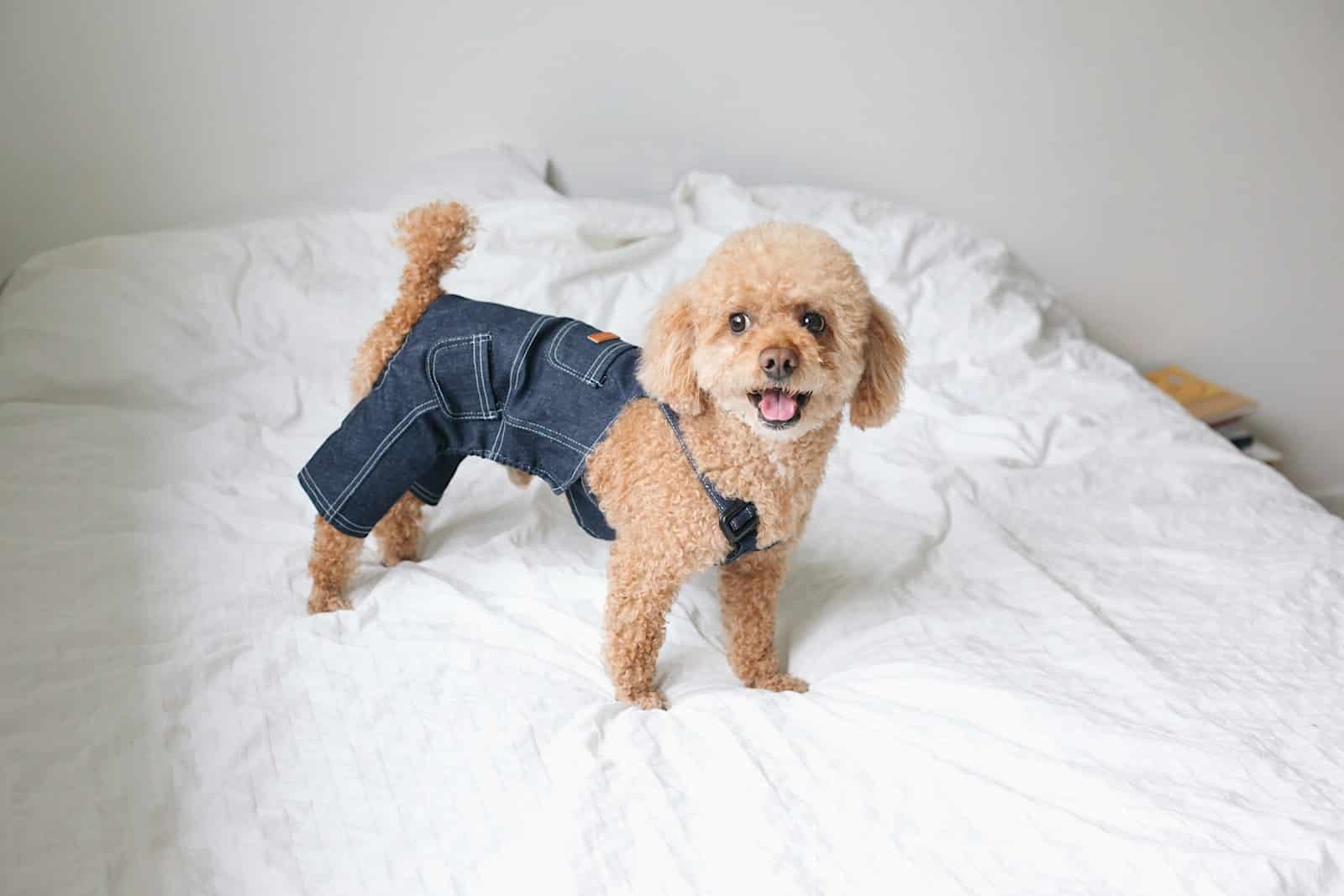
Photo by Samia Liamani on Unsplash
Why Some Dogs Benefit from Clothes
When we talk about dog clothes, we aren’t talking about playing dress-up; we are talking about thermoregulation. Just like humans, dogs can suffer from hypothermia and frostbite. While a Husky might be ready to run miles in the snow, a Greyhound is essentially naked in comparison.
The primary benefit of dog clothing is heat retention. Dogs lose the majority of their body heat through their paws, ears, and respiratory tract, but their core needs to stay warm to keep their blood pumping effectively to their extremities. A well-fitted sweater or jacket acts as insulation, trapping body heat against the skin. This is particularly crucial on those damp, gray Maryland mornings where the moisture in the air seems to seep right into your bones.
Furthermore, clothing offers protection from the elements. A waterproof raincoat isn’t just about keeping your dog dry; it is about preventing evaporative cooling. When a dog’s fur gets wet in cold weather, the water draws heat away from their body as it evaporates, making them significantly colder than the air temperature suggests. The American Kennel Club (AKC)
notes that wind chill can be just as dangerous for dogs as it is for humans, cutting through fur and lowering body temperature rapidly.
In my years of dog walking, I have noticed a distinct difference in the demeanor of properly dressed dogs versus those braving the cold “au naturel.” A dog that is warm is more likely to sniff, explore, and do their business efficiently. A cold dog is often anxious, lifting their paws off the ground, and desperate to get back inside, which can lead to accidents in the house later.
Dogs Most Likely to Need Extra Warmth
Not every dog needs a wardrobe, but there are specific categories of pups that I almost always recommend bundling up during our winter months. If your furry family member falls into one of these groups, looking into dog sweaters or dog jackets is a smart move.
Small and Toy Breeds
Small dogs have a larger surface area relative to their volume compared to large dogs. This means they radiate heat outward much faster than they can produce it internally. Sizes typically ranging from S-XS. Breeds like Yorkies, Chihuahuas, and French Bulldogs often struggle to stay warm even on moderately chilly days.
Short-Haired and Single-Coated Breeds
Dogs with short hair, such as Pits, Boxers, Greyhounds, and Weimaraners, lack the insulating undercoat that breeds like Golden Retrievers or German Shepherds possess. Sizes typically range from M-XXL. For these dogs, stepping outside in 40-degree weather can feel like us walking out in a t-shirt. PetMD provides a great breakdown on why specific coat types offer less protection against thermal loss.
Senior Dogs
As dogs age, their circulation can slow down, and they often become less active, generating less body heat on walks. More importantly, many senior dogs suffer from arthritis. Cold, damp weather can aggravate stiff joints, making movement painful. Keeping a senior dog’s spine and hips warm with a snug coat can actually help keep them mobile and comfortable. The Morris Animal Foundation highlights how cold weather exacerbates arthritis pain and why warmth is a key management strategy.
Puppies
Puppies, regardless of breed, are not as efficient at regulating their body temperature as adult dogs. They also tend to have less body fat to provide insulation. If you are potty training a puppy in January or February, a warm layer can make those frequent outdoor trips much more tolerable for them.
Dogs with Health Conditions
Dogs with conditions like Cushing’s disease, heart conditions, or kidney disease may have trouble regulating their temperature. Additionally, dogs recovering from illness or surgery often have compromised immune systems and need extra help staying warm to conserve energy for healing.
When Dog Clothes Can Be a Problem
While I am a proponent of coats when necessary, it is vital to know when dog clothes might do more harm than good. Just because it is cold to you doesn’t mean your dog needs a parka.
Risk of Overheating In Dog Jackets, Dog Hoodies And Thick Fleece Clothing
This is the most common issue I see. A thick fleece dog hoodie might be perfect for a slow walk around the block, but if your dog starts running around the dog park, they can overheat quickly. Dogs can’t sweat through their skin as we can; they rely on panting to cool down. If their core is wrapped in thick wool, they can’t dissipate that heat. It is important to monitor your dog during vigorous exercise and perhaps switch to a lighter windbreaker or remove the layer entirely. Veterinary Partner offers excellent advice on recognizing the signs of heat stress, which can happen even in winter if a dog is overdressed.
Friction and Chafing
Poorly fitted clothing is a major source of discomfort. If the armholes are too tight, they can rub against the sensitive skin in a dog’s “armpits,” causing raw spots and sores. If a coat is too long, it might interfere with the tail, and if it’s too loose, they might get their paws tangled inside it.
Masking Body Language
Dogs communicate heavily through body posture—the position of their tail, the hackles on their back, the stiffness of their spine. Clothing can obscure these signals, potentially leading to misunderstandings with other dogs. If your dog is going to a social environment, ensure their gear doesn’t inhibit their ability to communicate.
Psychological Stress
Some dogs simply hate wearing clothes. If your dog freezes in place (often called “shutdown”), hides, or tries to bite at the clothing, they are stressed. We never want to force a dog to wear something that causes them anxiety unless it is medically necessary. The ASPCA suggests acclimating dogs to clothing slowly, using positive reinforcement.
In my professional care, whenever I am pet sitting or walking a client’s dog, I am constantly checking in. Is the dog panting excessively? Is the sweater damp from snow? Is the strap rubbing the belly? Adjusting to the dog’s immediate needs is part of ensuring their safety.
Where DMV Dog Owners Shop Locally
Living in the age of online shopping, it is tempting to just order pet apparel from a massive retailer. However, when it comes to dog gear, fit is everything. A “Medium” for a Bulldog is very different from a “Medium” for a Whippet. That is why I always encourage my clients to shop locally where they can see the quality and, most importantly, try the items on.
If you are in the DC area, I highly recommend checking out Howl to the Chief.
Located right on Capitol Hill, Howl to the Chief is a staple for DMV pet owners. Unlike big-box stores that focus on mass-produced trends, local boutiques like this often curate their selection based on what actually works for our specific climate. They understand that a dog coat needs to withstand a muddy hike in Rock Creek Park or a slushy sidewalk in Old Town Alexandria.
Shopping at Howl to the Chief allows you to physically feel the material. Is it scratchy? Is it waterproof or just water-resistant? You can bring your pup in to try on different sizes to ensure a full range of motion. Supporting local businesses like this also helps strengthen our pet-loving community. They are a fantastic resource for high-quality, durable gear that prioritizes your dog’s comfort.
For tips on how to properly measure your dog before heading to the store, this guide from The Spruce Pets is incredibly helpful to ensure you have a baseline idea of sizing.
Care Tips for Dogs Wearing Clothes
If you decide to integrate dog clothes into your pet’s routine, a little maintenance goes a long way to ensuring they stay safe and hygienic.
Keep It Dry
This is rule number one. A wet sweater is worse than no sweater. Wet fabric sits against the skin and cools the body down rapidly, essentially acting like a refrigerator. If your dog’s clothes get wet from snow or rain, remove them immediately once you are inside.
Wash Regularly
Dog clothes trap dander, hair, and dirt. Over time, this can irritate your dog’s skin or even lead to bacterial infections if the skin can’t breathe. Wash sweaters and coats regularly using pet-safe, hypoallergenic detergents. PetMD explains why using human detergents can sometimes be too harsh for a dog’s pH balance, so choose your cleaning agents carefully.
Naked Time is Necessary
Unless your vet has directed otherwise for a specific medical condition, dogs shouldn’t wear clothes 24/7. Their skin needs to breathe, and their coat needs to be brushed to prevent matting, which can happen quickly under a sweater. I recommend taking clothes off as soon as you come indoors to prevent overheating and allow for grooming.
Watch for Allergic Reactions
Just like humans, some dogs can be allergic to certain fabrics like wool or synthetic blends. Keep an eye out for excessive scratching, redness, or hives where the clothing touches the skin. VCA Hospitals offers detailed information on contact dermatitis in dogs, which can sometimes be triggered by fabrics or laundry detergents.
If you utilize our pet sitting services, you can leave specific instructions in our online portal regarding your dog’s clothing. Whether it is “put on the raincoat if it’s drizzling” or “remove the sweater immediately after the walk,” we follow your care notes to the letter.
Are Dog Sweaters Safe for Winter Walks With Our Furry Friends?
H3: How do I know if my dog is cold?
Your dog will tell you! Look for shivering, a hunched posture, lifting paws off the ground, whining, or seeking shelter. If you see these signs, it’s time to head inside or add a layer.
H3: What temperature is too cold for short-haired dogs?
Generally, temperatures below 45°F can start to feel uncomfortable for small or short-haired dogs. Once it drops below 32°F, owners of these breeds should definitely consider a coat or sweater and limit time outdoors. Tufts University has a fantastic “Cold Weather Safety Scale” that helps owners judge risk based on temperature and dog size.
H3: Should I leave a shirt on my dog while I’m at work?
I generally advise against leaving clothes on an unsupervised dog due to the risk of them getting snagged on furniture or the dog trying to chew the garment off. If your home is cold, it is safer to provide a heated bed or extra blankets where they can burrow if they choose